

Schließen
Korea MFDS Regulation Shapes Emerging Oral Obesity Drug Market
The rapid expansion of oral obesity treatments is drawing increased regulatory attention, particularly under the Korea MFDS framework governing pharmaceutical approvals. As global pharmaceutical companies shift from injectable to oral formulations, the Korea MFDS regulatory pathway is expected to play a critical role in determining how quickly these innovative therapies enter the domestic market. Korean developers are actively aligning their research and commercialization strategies with evolving international and local compliance requirements. Pharmaceutical products usually require MFDS approval in order to be approved for import and sale in Korea.

The growing interest in glucagon-like peptide-1 (GLP-1) receptor agonists, such as semaglutide and orforglipron, reflects a broader trend toward more convenient, patient-friendly drug delivery methods. Oral formulations eliminate the need for cold-chain logistics and injections, which can simplify distribution and improve patient adherence. However, these advantages also require thorough regulatory evaluation to ensure safety, efficacy, and quality standards are met before market entry.
Regulatory Pathways and Product Differentiation
Internationally, leading products such as Novo Nordisk’s Wegovy tablets and Eli Lilly’s Foundayo have already received approval in the United States, demonstrating strong clinical performance in weight reduction. As these products expand into global markets, manufacturers must navigate country-specific regulatory frameworks, including Korea’s MFDS requirements for clinical data, manufacturing standards, and labeling compliance.
In Korea, regulatory authorities have also intensified oversight in response to concerns about counterfeit or improperly marketed weight loss products. This has led to stricter enforcement actions and greater scrutiny of health claims, particularly in the dietary supplement and pharmaceutical sectors. For companies seeking MFDS certification, this environment underscores the importance of robust clinical evidence and transparent product positioning.
At the same time, Korean pharmaceutical companies are pursuing differentiated approaches to obesity treatment development. These include injectable therapies tailored to local patient populations, oral drug candidates advancing through clinical trials, and alternative delivery systems such as transdermal patches. Next-generation products, including multi-action and small-molecule GLP-1 therapies, are also under development, reflecting efforts to enhance efficacy and patient convenience while meeting regulatory expectations.
Market Access and Global Expansion Considerations
The global obesity treatment market has seen significant growth, driven by rising prevalence rates and increased demand for effective therapies. For Korean companies, expanding into international markets requires not only meeting MFDS standards but also aligning with regulatory requirements in other jurisdictions. Conversely, foreign manufacturers aiming to enter Korea must prepare for MFDS review processes, which may include additional data submissions and local clinical considerations.
As oral obesity treatments continue to gain traction, regulatory compliance will remain a key factor influencing market access and product success. The Korea MFDS is expected to maintain a central role in evaluating these therapies, balancing innovation with patient safety. Further regulatory updates and guidance may be available through official certification resources and industry publications.
Feel free to contact us any time if you need assistance or have any questions regarding Korean certifications like KC, KC EMC, KCs, KCs for explosion safety products, KGS factory registration and MFDS for medical devices.
Tel. Europe: +49-69-271 37 69 259
Tel. US: +1 773 654-2673
Email: info@korea-certification.com
Cold-Chain Logistics Robot Debuts with Subzero Capability at Modex 2026
LG CNS introduced a cold-chain logistics automation system capable of operating at temperatures as low as minus 26 degrees Celsius, targeting expanded adoption in North America’s temperature-controlled supply chain sector. The Mobile Shuttle robot system was unveiled at Modex 2026 in Atlanta, a major industry exhibition. Engineered for subzero environments, the solution is intended for applications in food distribution and retail logistics, where consistent performance under extreme conditions is critical. Robotic products and components usually require KCs or KC EMC certification to be approved for import and sale in Korea.
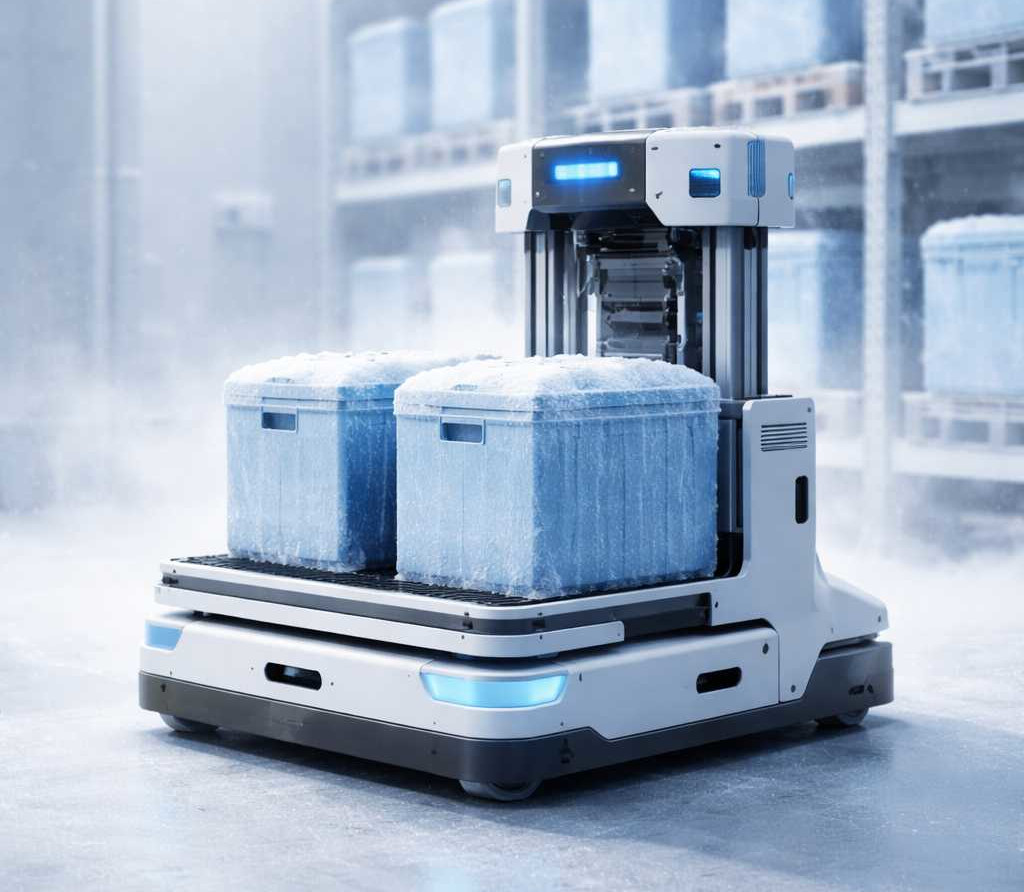
The system deploys fleets ranging from dozens to hundreds of robots that navigate warehouse racks at speeds of up to 1.5 meters per second, each supporting loads of up to 1,500 kilograms. Its four-directional shuttle design allows horizontal and vertical movement, reducing routing constraints and improving operational flexibility. LG CNS reports over 30 percent higher storage efficiency compared to conventional systems, supported by high-density configurations. Integrated AI capabilities enable natural language control via chatbot interfaces, real-time diagnostics, and operational recommendations. The solution also supports diverse cargo types, including cylindrical goods such as electric vehicle batteries, while mathematical optimization tools enhance routing and throughput. The company has already deployed the system in North American facilities, including a recent installation at a bakery production site in Texas.
Feel free to contact us any time if you need assistance or have any questions regarding Korean certifications like KC, KC EMC, KCs, KCs for explosion safety products or KGS factory registration.
Tel. Europe: +49-69-271 37 69 259
Tel. US: +1 773 654-2673
Email: info@korea-certification.com
For more information you can download our free brochure “Korea Certification Made Easy – The Booklet“.
JW Pharmaceutical Gains Korean Rights to Next-Generation GLP-1 Therapy in Strategic Licensing Deal
JW Pharmaceutical has entered into a licensing agreement with China-based Gan & Lee Pharmaceuticals to obtain exclusive rights in Korea for bofanglutide, an advanced GLP-1 receptor agonist. Under the terms of the deal, JW Pharmaceutical will oversee clinical development, regulatory submissions, and commercialization within the Korean market, while Gan & Lee will supply the necessary data and documentation to support investigational new drug applications and product approvals. The total agreement value may reach $81.1 million, including an upfront payment of $5 million and additional milestone-based payments linked to approvals across multiple indications. Medical products usually require MFDS certification in order to be approved for import and sale in Korea.
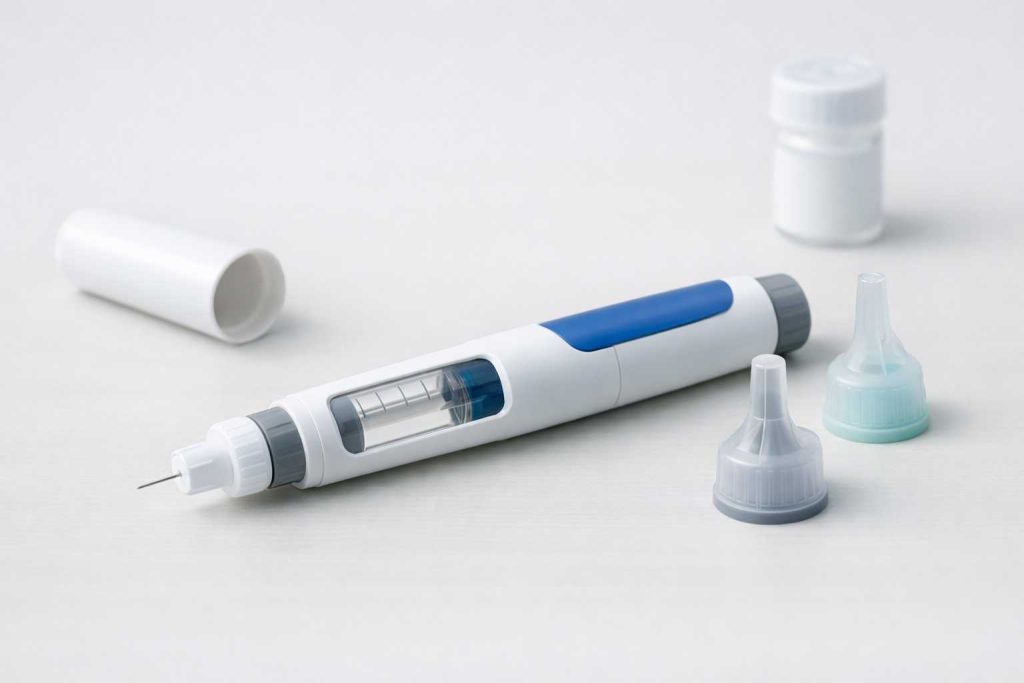
The drug has demonstrated promising outcomes in clinical studies, including a Phase 2b trial where patients achieved an average weight reduction of 17.3 percent over 30 weeks with biweekly administration. JW Pharmaceutical plans to initiate Phase 3 trials in Korea later this year, targeting obesity and type 2 diabetes. The partnership aligns with growing global and regional demand for GLP-1 therapies, with the Asia-Pacific market projected to expand significantly in the coming years. Both companies emphasized that the collaboration will support the advancement of innovative treatments and broaden access to new therapeutic options in Korea.
Feel free to contact us any time if you need assistance or have any questions regarding Korean certifications like KC, KC EMC, KCs, KCs for explosion safety products, MFDS certification for medical products or KGS factory registration.
Tel. Europe: +49-69-271 37 69 259
Tel. US: +1 773 654-2673
Email: info@korea-certification.com
For more information you can download our free brochure “Korea Certification Made Easy – The Booklet“.
Korea KC Safety Certification Implications for Heavy Machinery Amid Domestic Minerals Project Expansion
Korea’s KC Safety certification framework for heavy machinery and components is drawing increased attention as Korea Zinc advances a major domestic strategic minerals initiative. The company’s planned investment of 11 trillion won in a new smelter project highlights broader regulatory considerations for manufacturers operating within Korea, particularly those supplying equipment to large-scale industrial developments.
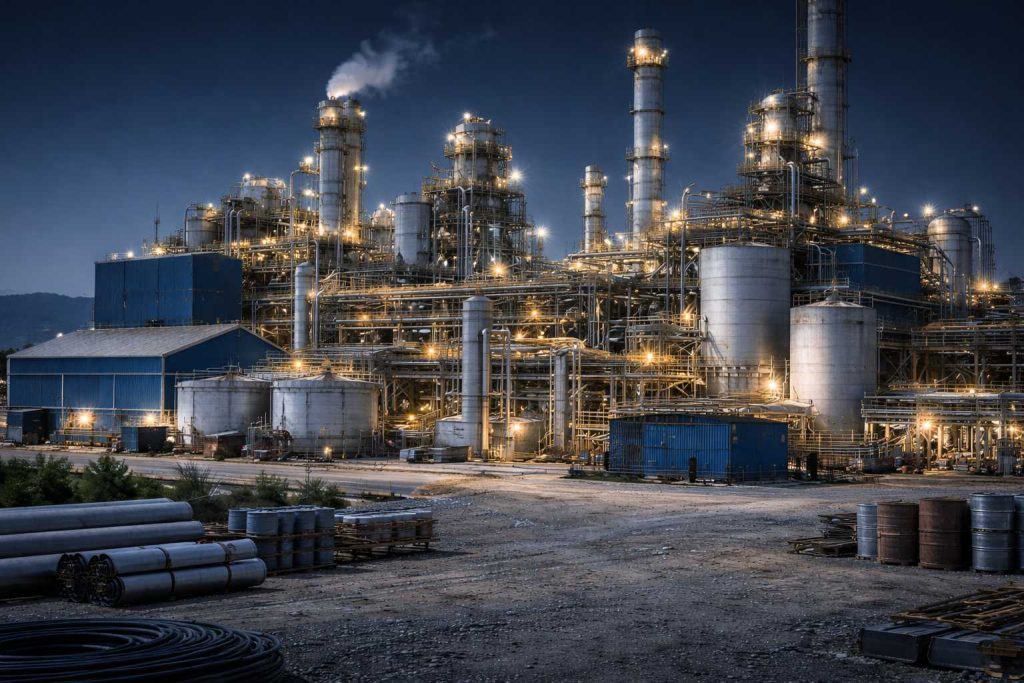
Korea Zinc has launched its “Crucible Zinc” project in the Ulsan industrial hub, where it intends to build a large smelting facility by 2029. The plant is expected to produce a diverse range of non-ferrous metals, including critical minerals used in advanced manufacturing, as well as semiconductor-grade materials. Given the project’s scale and technical complexity, compliance requirements for heavy machinery and industrial components are becoming more demanding. In Korea, such equipment generally requires KC Safety certification before it can be deployed or distributed.
KC Safety Certification Framework for Industrial Equipment
KC Safety certification is a mandatory conformity assessment system in Korea that applies to a wide spectrum of industrial and electrical products, including heavy machinery and related components. Its purpose is to ensure that products meet national standards for safety, electromagnetic compatibility, and performance prior to market entry or operational use.
For suppliers involved in large industrial projects—such as smelting, mining, or recycling operations—KC certification may be required for equipment including lifting systems, processing machinery, and electrical control units. The certification process typically involves product testing, factory inspections, and documentation review conducted by authorized Korean institutions. As industrial systems become more advanced, certification requirements may also extend to integrated technologies and complex processing systems.
Market Access and Compliance Considerations
The expansion of advanced smelting infrastructure within South Korea reflects a broader push to secure critical mineral supply chains and enhance industrial resilience. For companies supplying machinery and components domestically, this reinforces the need to address KC Safety requirements early in product design and project planning.
Manufacturers must ensure compliance with Korean standards, especially when providing equipment for high-risk environments such as metal processing or chemical handling. Without proper certification, companies may face project delays, regulatory penalties, or additional costs.
Additionally, the growing focus on recycling and recovery of rare metals—such as Germanium, Gallium, and Indium—introduces further technical considerations that can affect certification scope. Equipment used in these processes must meet strict safety and reliability expectations under Korean regulations.
As domestic industrial projects continue to scale and supply chains become more interconnected, regulatory compliance remains a key factor in ensuring smooth market access and operational readiness.
Feel free to contact us any time if you need assistance or have any
questions regarding Korean certifications like KC, KC EMC, KCs, KCs for explosion safety products or KGS factory registration.
Tel. Europe: +49-69-271
37 69 259
Tel. US: +1 773 654-2673
Email: info@korea-certification.com
For
more information you can download our free brochure “Korea
Certification Made Easy – The Booklet
Incheon Airport Hydrogen Infrastructure Supports KGS Compliance
South Korea is advancing its hydrogen mobility ecosystem with new infrastructure aligned with KGS certification requirements, as demonstrated by the completion of a liquefied hydrogen charging station at Incheon International Airport. The project reflects the country’s broader regulatory and safety framework governing hydrogen storage, transport, and refueling systems under the Korea Gas Safety (KGS) certification scheme.
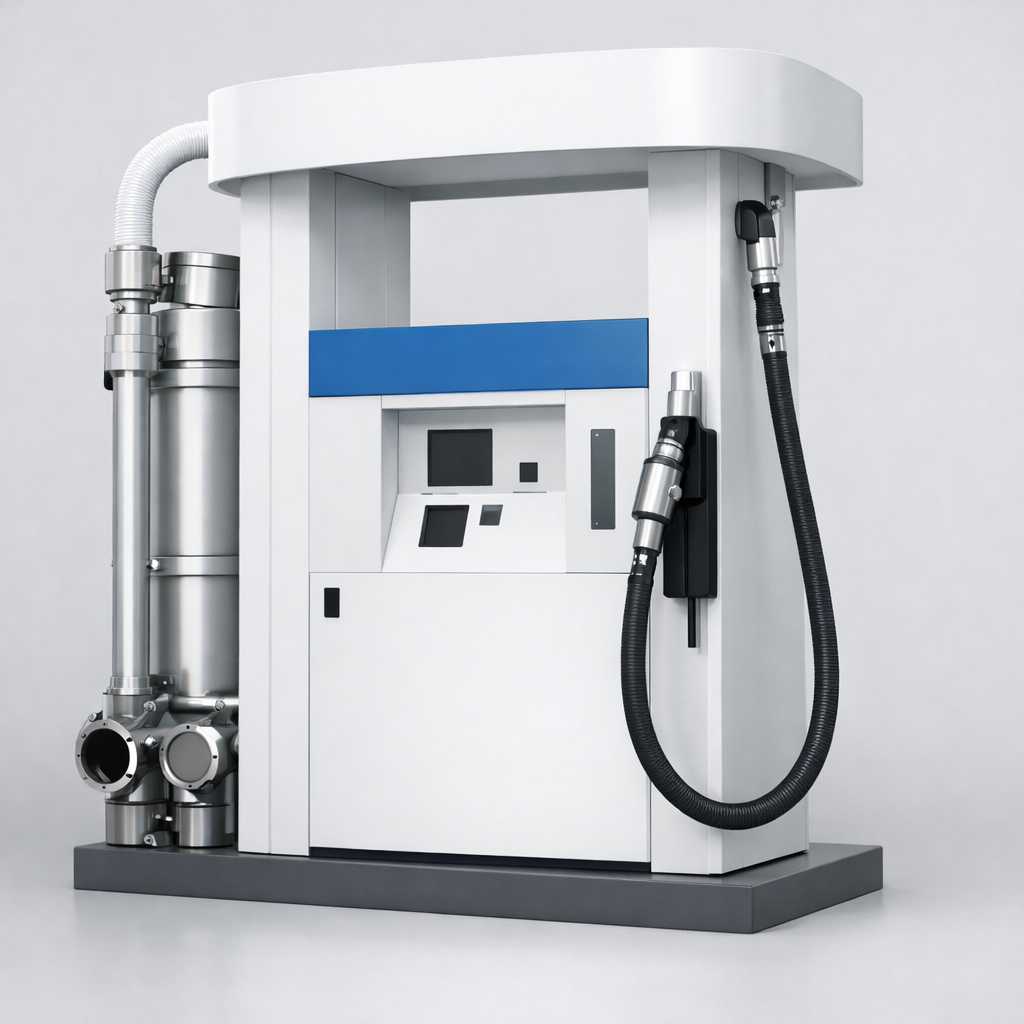
The newly completed station, developed by SK Innovation E&S, is located within the Terminal 2 parking area and is designed to supply up to 320 kilograms of liquefied hydrogen per hour. This capacity enables the daily refueling of up to 240 hydrogen-powered buses, supporting high-frequency airport operations. The facility is supplied by a nearby liquefied hydrogen production plant in Incheon, which produces approximately 90 tons per day. Hydrogen refueling infrastructure usually requires KGS certification in order to be approved for import and sale in Korea.
KGS Certification and Hydrogen Infrastructure Requirements
KGS certification plays a critical role in ensuring the safety and compliance of hydrogen-related installations in South Korea. The certification framework covers the design, construction, inspection, and operation of high-pressure gas systems, including liquefied hydrogen production plants and refueling stations. Facilities must comply with stringent technical standards addressing pressure control, cryogenic storage, leak prevention, and emergency response systems.
In the case of the Incheon airport station, compliance with KGS standards would have been essential throughout the project lifecycle, from engineering design to final commissioning. The integration of liquefied hydrogen systems introduces additional technical considerations compared to gaseous hydrogen, including ultra-low temperature handling and specialized insulation requirements.
The project also highlights the role of public-private cooperation in advancing compliant hydrogen infrastructure. Government funding and oversight, combined with private sector investment, support adherence to national safety codes while accelerating deployment timelines.
Implications for Market Access and Hydrogen Mobility Expansion
The deployment of hydrogen refueling infrastructure at a major international airport signals increasing maturity in Korea’s hydrogen mobility strategy. For manufacturers and operators, compliance with KGS certification remains a prerequisite for market entry, particularly for equipment such as storage tanks, dispensers, and transport systems.
The introduction of hydrogen-powered buses at Incheon Airport—already replacing a significant portion of the existing fleet—demonstrates the operational viability of such systems under regulatory oversight. Hydrogen buses offer advantages in refueling time and driving range, making them suitable for high-demand transport environments.
From a regulatory perspective, the visibility of such projects reinforces Korea’s commitment to carbon neutrality while emphasizing the importance of certified infrastructure. Companies seeking to participate in Korea’s hydrogen economy must ensure that their technologies meet KGS requirements to facilitate approval and deployment.
Further regulatory updates and technical guidance may be available through official certification bodies and industry resources.
Feel free to contact us any time if you need assistance or have any questions regarding Korean certifications like KC, KC EMC, KCs, KCs for explosion safety products or KGS factory registration.
Tel. Europe: +49-69-271 37 69 259
Tel. US: +1 773 654-2673
Email: info@korea-certification.com
For more information you can download our free brochure “Korea Certification Made Easy – The Booklet“.
Korean Battery Sector Sees Renewed Momentum from Robotics and High-Performance EV Applications
Manufacturers of equipment and components used in battery production are adapting to shifting market dynamics as demand grows for high-density, high-output battery technologies in Korea. Industry leaders LG Energy Solution, Samsung SDI and SK On have strengthened their capabilities in nickel-cobalt-manganese (NCM) battery technology, which is regaining traction in segments where energy density and performance are decisive. While lithium iron phosphate (LFP) batteries previously expanded market share due to cost and safety advantages, recent developments highlight renewed interest in NCM solutions, particularly for advanced robotics and high-performance electric vehicles. Manufacturers of equipment and components used in battery production are adapting to shifting market dynamics as demand grows for high-density, high-output battery technologies in Korea. usually require KCs certification in order to be approved for import and sale in Korea.
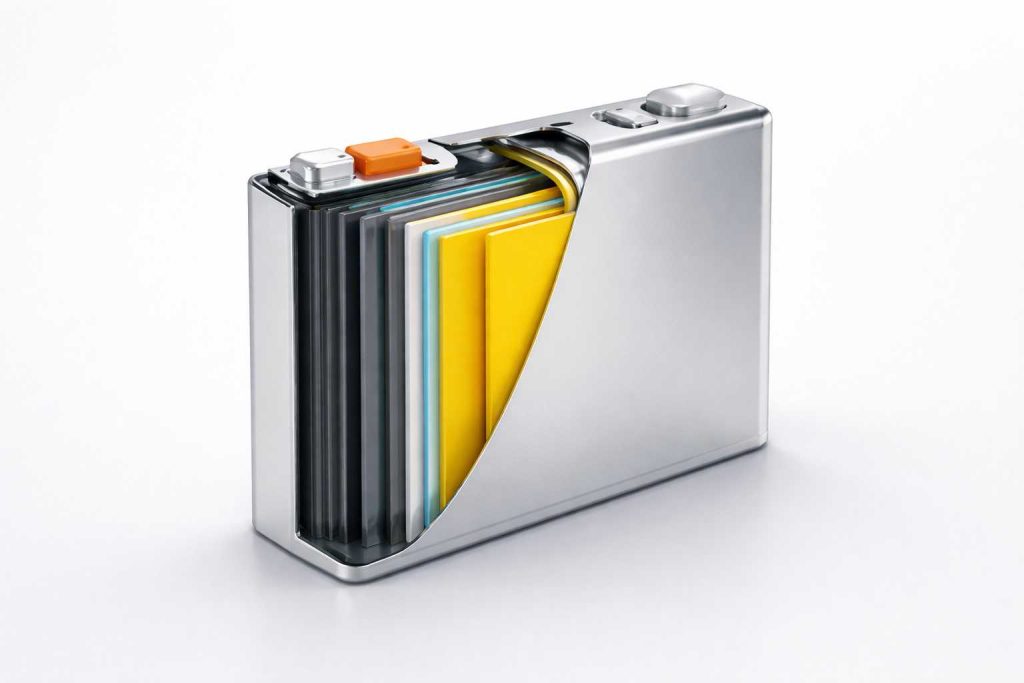
NCM batteries are valued for their ability to deliver higher energy storage within the same footprint while reducing overall weight, making them suitable for humanoid robots and premium electric vehicles. LG Energy Solution is reportedly supplying batteries for Boston Dynamics’ humanoid robot “Atlas” and Tesla’s “Optimus,” signaling potential growth in robotics once commercialization accelerates. In the automotive sector, Porsche has opted for batteries from Samsung SDI and LG Energy Solution for its electric vehicles in Korea, while SK On is expected to provide large-capacity batteries for Polestar’s upcoming “Polestar 5.” Extended-range electric vehicles (EREVs), which combine battery propulsion with auxiliary combustion engines, are also contributing to increased demand for high-output NCM batteries. Industry representatives anticipate that as the temporary slowdown in electric vehicle demand stabilizes, profitability will increasingly shift back from energy storage systems toward EV batteries, with robotics emerging as a possible long-term growth driver.
Feel free to contact us any time if you need assistance or have any questions regarding Korean certifications like KC, KC EMC, KCs, KCs for explosion safety products or KGS factory registration.
Tel. Europe: +49-69-271 37 69 259
Tel. US: +1 773 654-2673
Email: info@korea-certification.com For more information you can download our free brochure “Korea Certification Made Easy – The Booklet
Hyundai Nexo Sees Rising Demand Amid Infrastructure Constraints in Korea
Hyundai Motor’s hydrogen-powered Nexo is recording renewed sales momentum in Korea, even as the market continues to be constrained by insufficient refueling infrastructure. Monthly sales exceeded 1,000 units for three consecutive months for the first time since late 2022, reflecting growing consumer interest driven by product upgrades and strong policy support. The latest version of the Nexo delivers extended driving range, improved power output, and refreshed design elements inspired by Hyundai’s early vehicle models. Hydrogen drive production related equipment and components usually require KGS registration in order to be approved for import and sale in Korea.
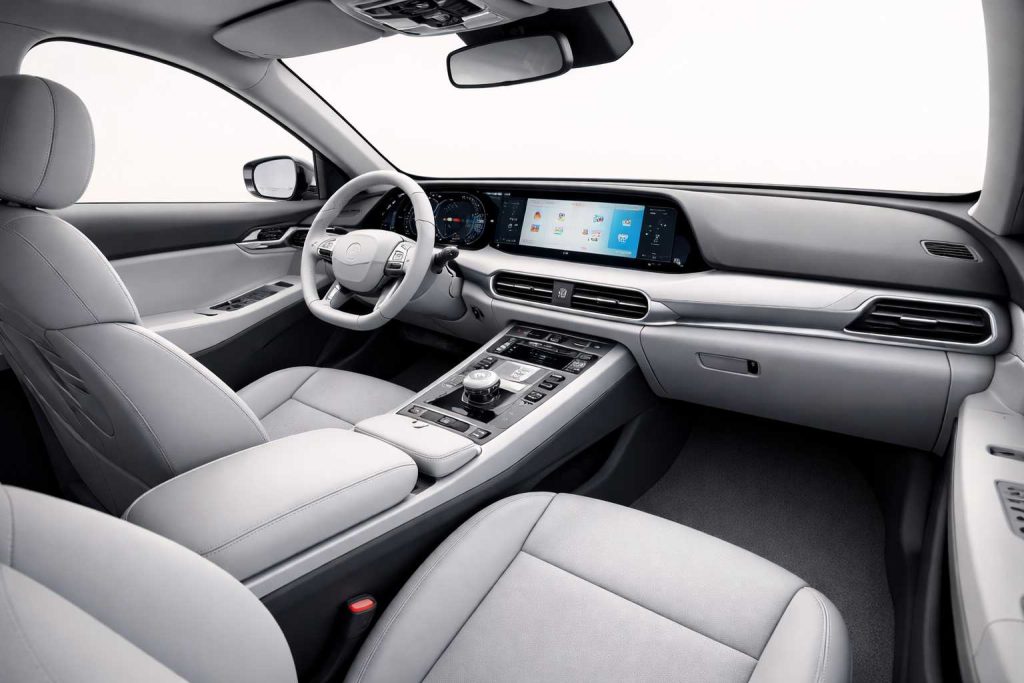
Demand has also been supported by substantial government subsidies, which significantly reduce the vehicle’s purchase price and position it competitively alongside hybrid and electric SUVs. Hyundai’s Ulsan plant, with an annual production capacity of about 15,000 units, has already sold out its allocation for the year, pushing new orders into next year’s delivery schedule. Despite positive customer feedback on driving performance and comfort, limited hydrogen charging infrastructure remains a key obstacle, with the number of hydrogen stations far below that of electric vehicle chargers, particularly in major cities such as Seoul.
Feel free to contact us any time if you need assistance or have any questions regarding Korean certifications like KC, KC EMC, KCs, KCs for explosion safety products or KGS factory registration.
Tel. Europe: +49-69-271 37 69 259
Tel. US: +1 773 654-2673
Email: info@korea-certification.com
For more information you can download our free brochure “Korea Certification Made Easy – The Booklet“.
Samsung Accelerates Pyeongtaek Chip Expansion as AI-Driven Memory Demand Rises
Samsung Electronics is speeding up development of its large-scale semiconductor manufacturing complex in Pyeongtaek, Gyeonggi Province, as rising global demand for advanced memory chips reshapes its investment plans. The company has expanded its contract value for Phase 4 of the P4 facility to a total of 4.2 trillion won ($3 billion), a roughly 50 percent increase from the amount disclosed earlier this year, while also advancing the project’s completion date to April 2027. Construction, which had been largely suspended for more than a year due to a downturn in the semiconductor market, resumed in July as Samsung reoriented the facility toward next-generation production needs. Chip production equipment and components usually require KCs for machinery in order to be approved for import and sale in Korea.
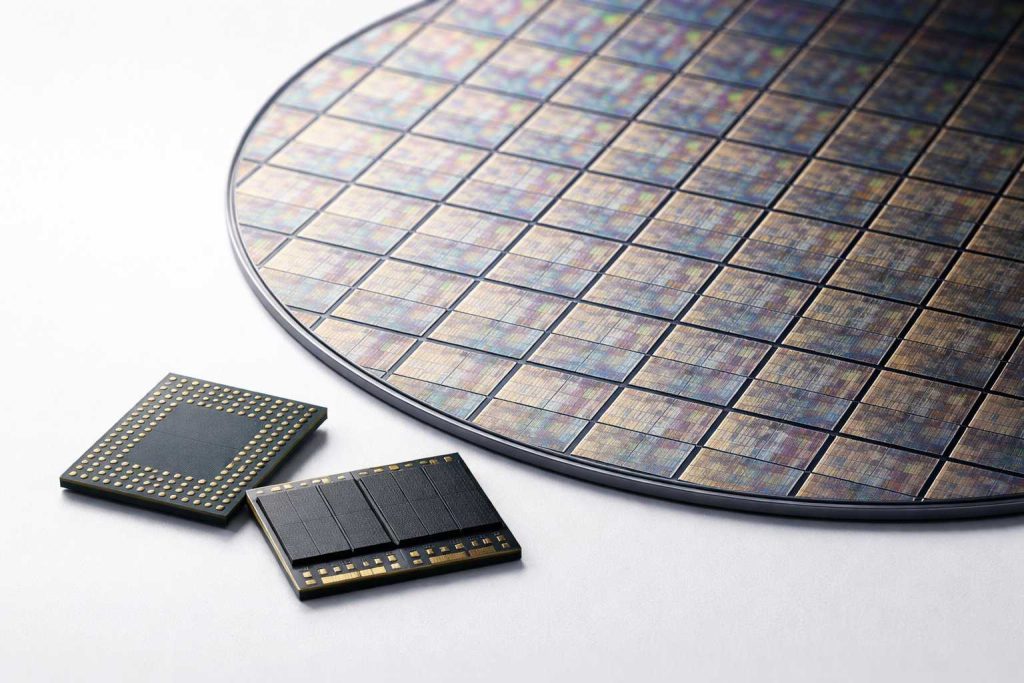
The P4 complex is structured into four phases, with initial lines producing NAND flash and DRAM, while later phases are increasingly expected to focus on high bandwidth memory to support expanding artificial intelligence infrastructure. Analysts point to surging orders from major global customers and projects such as OpenAI’s large-scale data center initiative as key drivers behind the accelerated investment, with industry estimates suggesting that future demand will significantly exceed current global capacity. In parallel, Samsung is also advancing overseas projects, including its Taylor, Texas plant, which is moving toward final regulatory approvals ahead of planned operations in 2026, underscoring a broader strategy to scale production capacity amid a prolonged upcycle in the memory market.
Feel free to contact us any time if you need assistance or have any questions regarding Korean certifications like KC, KC EMC, KCs, KCs for explosion safety products or KGS factory registration.
Tel. Europe: +49-69-271 37 69 259
Tel. US: +1 773 654-2673
Email: info@korea-certification.com
For more information you can download our free brochure “Korea Certification Made Easy – The Booklet“.
Korea Launches Major Initiative to Localize and Scale Up Clean Hydrogen Technologies
The South Korean government has officially initiated efforts to accelerate the localization and commercialization of clean hydrogen production technologies. On January 23, the Ministry of Science and ICT (MSIT), led by Vice Prime Minister and Minister Bang Moon Kyu, held the first General Committee meeting of the “Clean Hydrogen R&D Innovation Alliance.” This marked the first in-person gathering of stakeholders from industry, academia, research institutions, and government since the alliance’s launch on September 9. The Innovation Alliance comprises 93 entities—including 67 companies, 10 research institutes, and 16 universities—and aims to achieve full localization (100%) of clean hydrogen production technologies by 2030. The collaborative framework is focused on five core technological areas: Alkaline (ALK) water electrolysis, Proton Exchange Membrane (PEM) electrolysis, Solid Oxide Electrolysis Cells (SOEC), Anion Exchange Membrane (AEM) electrolysis, and Liquid Organic Hydrogen Carriers (LOHC). These technologies will be refined and jointly demonstrated with end-user companies to drive commercialization. Hydrogen system related products and components usually require KGS Certification in order to be approved for import and sale in Korea.
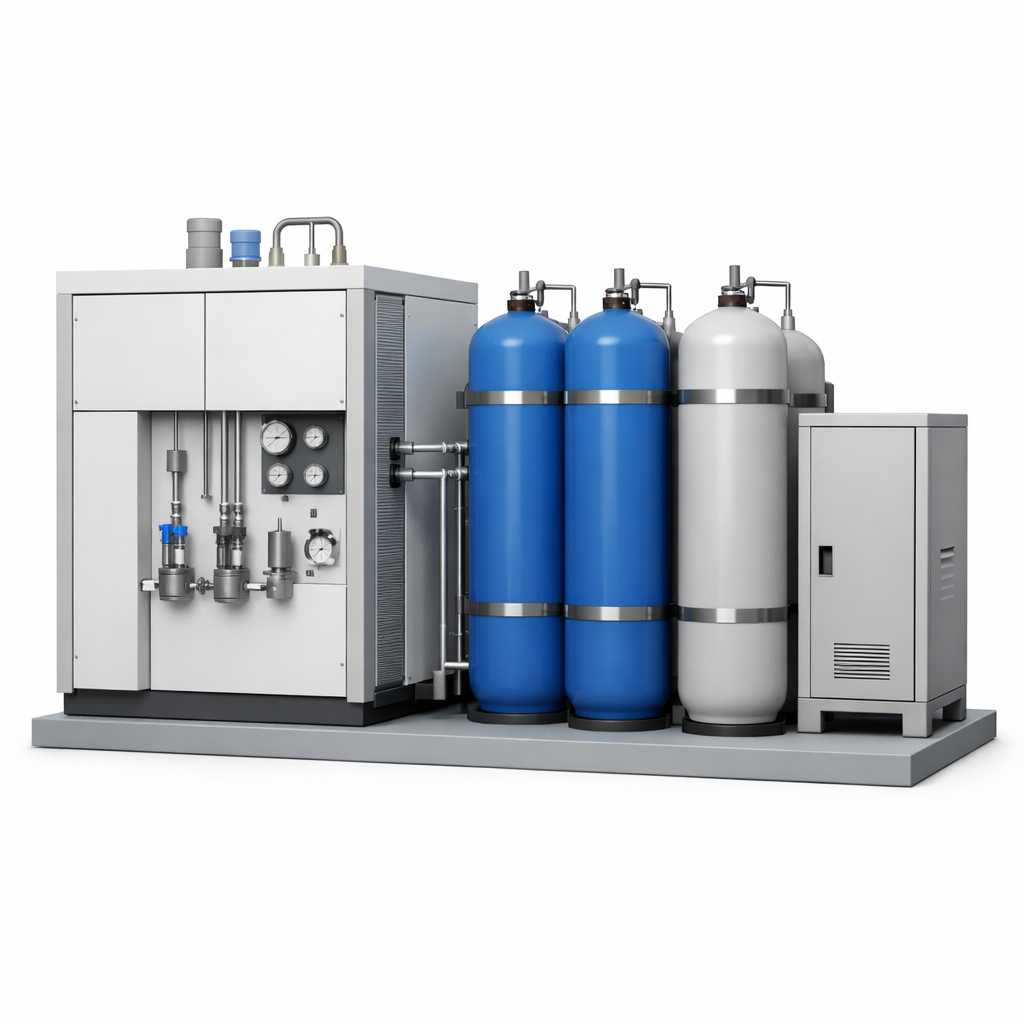
During the committee meeting, which included over 20 participants such as MSIT officials, major end-user companies, lead researchers from national hydrogen R&D labs, and academic experts, the discussion centered on fostering full-cycle collaboration in clean hydrogen technology development. Attendees emphasized the need to transition lab-scale core technologies into real-world industrial applications by enhancing demand-driven R&D systems and expanding technology demonstration.
Industry representatives noted that South Korea still lags behind the U.S. and Europe in clean hydrogen capabilities and urged stronger government support for practical technology development and infrastructure for testing. Lead researchers from national labs responded by pledging to build trust through ongoing technology exchange and feedback between companies, universities, and research institutes. MSIT plans to invest KRW 119 billion (approximately USD 900 million) between now and 2029 to scale up domestic technologies for commercialization, focusing on the core components and materials required for water electrolysis. This includes performance verification systems to support technology demonstrations. Beginning next year, new R&D projects involving end-user participation from the early stages will be launched, and sector-specific technical subcommittees within the alliance will be created to strengthen inter-agency cooperation.
Feel free to contact us any time if you need assistance or have any questions regarding Korean certifications like KC, KC EMC, KCs, KCs for explosion safety products or KGS factory registration.
Tel. Europe: +49-69-271 37 69 259
Tel. US: +1 773 654-2673
Email: info@korea-certification.com
For more information you can download our free brochure “Korea Certification Made Easy – The Booklet“.
New Advancements in Battery Tech Could Transform Battery Manufacturing Equipment Standards
LG Energy Solution is advancing its development of dry electrode technology, aiming to revolutionize battery production with a more cost-effective and space-efficient process. Unlike the conventional wet electrode method—which requires solvent use, drying, and solvent recovery—the dry process involves only solid powder mixing, eliminating the need for drying and solvent recovery systems. This streamlined approach is expected to significantly cut facility investment and processing costs, while optimizing manufacturing space and enhancing overall productivity. Equipment and components used in battery production usually require KCs Certification in order to be approved for import and sale in Korea.
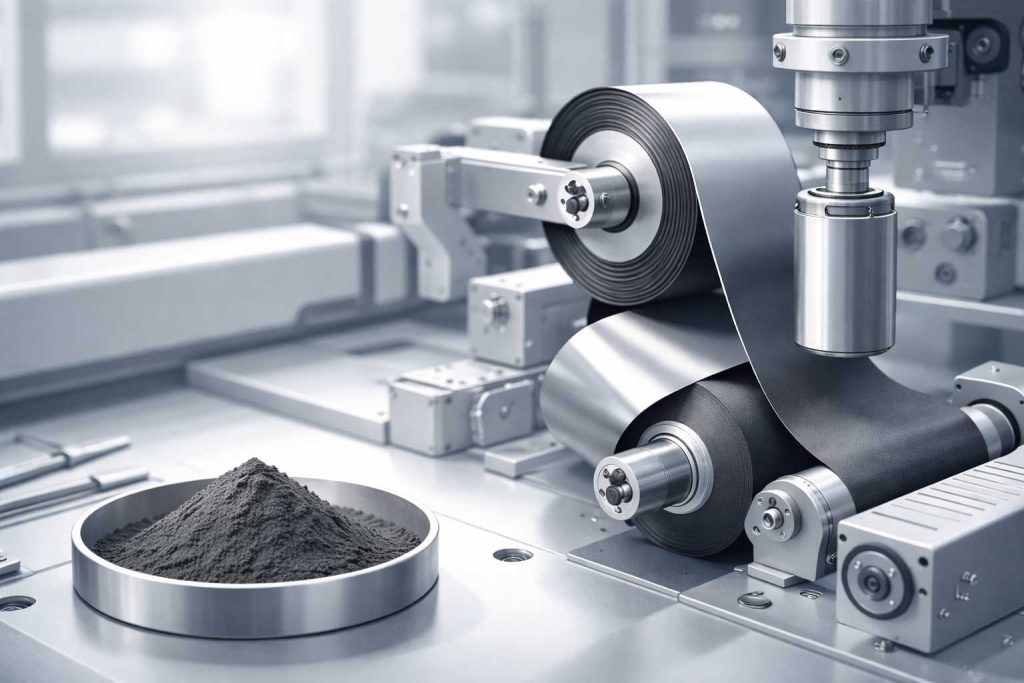
The company has started constructing pilot production lines at its Ochang Energy Plant in Korea, with plans to begin commercial-scale output by 2028. The dry electrode process is not only expected to improve battery manufacturing but also boost the cost competitiveness of electric vehicles, drawing considerable interest from automakers and battery producers across South Korea, China, and Japan. Building on over 30 years of battery innovation, LG Energy Solution is also expanding its technology portfolio, including premium High-Ni NCMA batteries, Mid-Ni NCM, and LFP products to serve a wider market. Additionally, the company is preparing for mass production of its 46-Series batteries and scaling up its LFP-based energy storage solutions.
Feel free to contact us any time if you need assistance or have any questions regarding Korean certifications like KC, KC EMC, KCs, KCs for explosion safety products or KGS factory registration.
Tel. Europe: +49-69-271 37 69 259
Tel. US: +1 773 654-2673
Email: info@korea-certification.com
For more information you can download our free brochure “Korea Certification Made Easy – The Booklet“.
 We are part of the CERTANIA-Group.