

Schließen


Korea Launches Major Initiative to Localize and Scale Up Clean Hydrogen Technologies
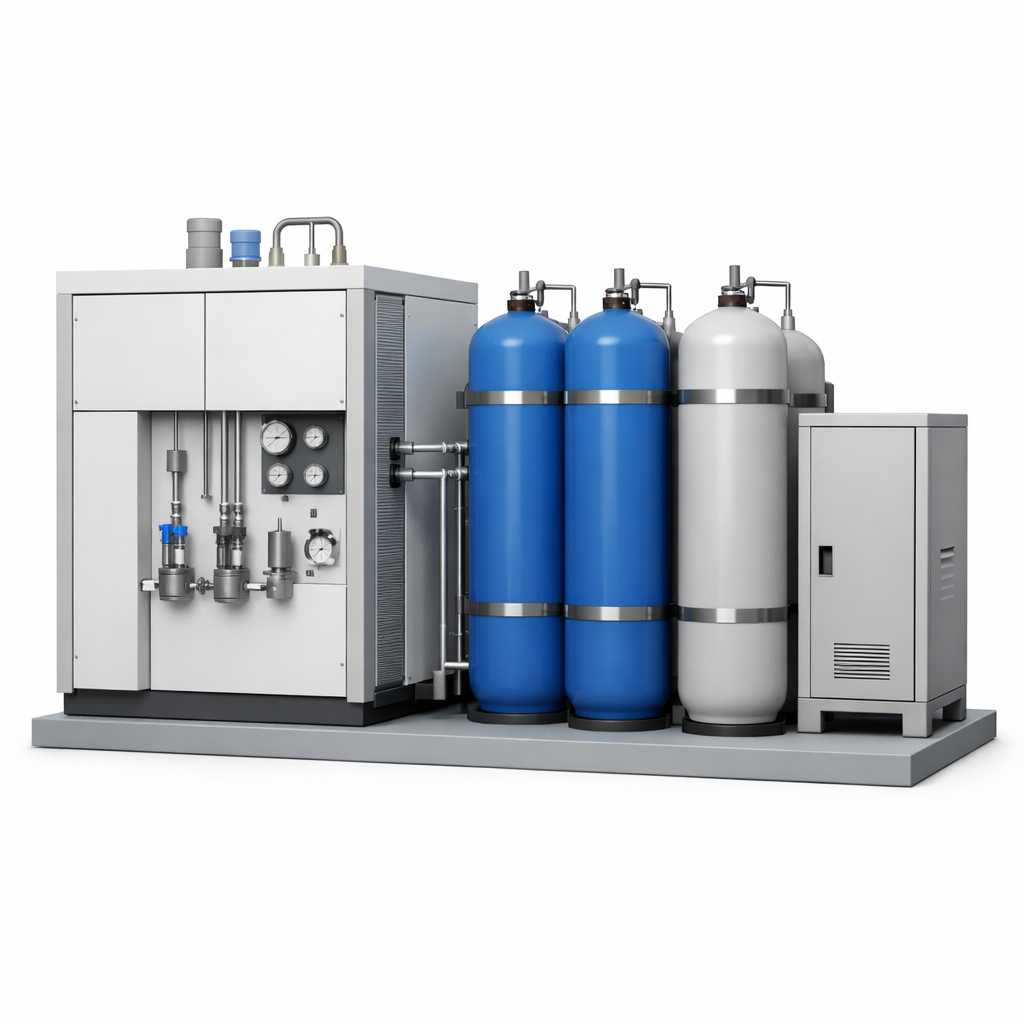
The South Korean government has officially initiated efforts to accelerate the localization and commercialization of clean hydrogen production technologies. On January 23, the Ministry of Science and ICT (MSIT), led by Vice Prime Minister and Minister Bang Moon Kyu, held the first General Committee meeting of the “Clean Hydrogen R&D Innovation Alliance.” This marked the first in-person gathering of stakeholders from industry, academia, research institutions, and government since the alliance’s launch on September 9. The Innovation Alliance comprises 93 entities—including 67 companies, 10 research institutes, and 16 universities—and aims to achieve full localization (100%) of clean hydrogen production technologies by 2030. The collaborative framework is focused on five core technological areas: Alkaline (ALK) water electrolysis, Proton Exchange Membrane (PEM) electrolysis, Solid Oxide Electrolysis Cells (SOEC), Anion Exchange Membrane (AEM) electrolysis, and Liquid Organic Hydrogen Carriers (LOHC). These technologies will be refined and jointly demonstrated with end-user companies to drive commercialization. Hydrogen system related products and components usually require KGS Certification in order to be approved for import and sale in Korea.
During the committee meeting, which included over 20 participants such as MSIT officials, major end-user companies, lead researchers from national hydrogen R&D labs, and academic experts, the discussion centered on fostering full-cycle collaboration in clean hydrogen technology development. Attendees emphasized the need to transition lab-scale core technologies into real-world industrial applications by enhancing demand-driven R&D systems and expanding technology demonstration.
Industry representatives noted that South Korea still lags behind the U.S. and Europe in clean hydrogen capabilities and urged stronger government support for practical technology development and infrastructure for testing. Lead researchers from national labs responded by pledging to build trust through ongoing technology exchange and feedback between companies, universities, and research institutes. MSIT plans to invest KRW 119 billion (approximately USD 900 million) between now and 2029 to scale up domestic technologies for commercialization, focusing on the core components and materials required for water electrolysis. This includes performance verification systems to support technology demonstrations. Beginning next year, new R&D projects involving end-user participation from the early stages will be launched, and sector-specific technical subcommittees within the alliance will be created to strengthen inter-agency cooperation.
Feel free to contact us any time if you need assistance or have any questions regarding Korean certifications like KC, KC EMC, KCs, KCs for explosion safety products or KGS factory registration.
Tel. Europe: +49-69-271 37 69 259
Tel. US: +1 773 654-2673
Email: info@korea-certification.com
For more information you can download our free brochure “Korea Certification Made Easy – The Booklet“.
Samsung SDI Advances ASSB Commercialization Through Trilateral Testing Collaboration
Samsung SDI has entered a trilateral agreement with Germany’s BMW Group and U.S.-based Solid Power to advance the validation of all-solid-state batteries (ASSBs). As part of the project, Samsung SDI will provide ASSB cells using Solid Power’s solid electrolyte technology, which enhances energy density and safety. BMW will be responsible for developing battery modules and packs, integrating the cells into its upcoming evaluation vehicles. The three companies will jointly conduct specific testing to assess battery performance under predefined conditions. Many products related to e-mobility usually require specific testing and requirement management in order to be approved for import and sale in Korea.
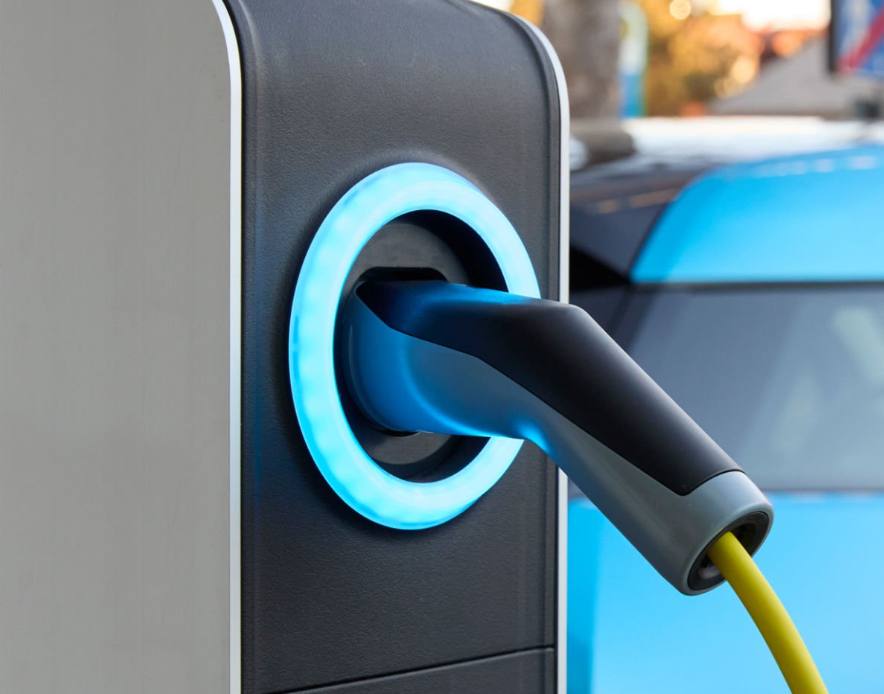
Compared to conventional lithium-ion batteries, ASSBs utilize solid electrolytes, offering higher energy density and improved safety, which support longer driving ranges without increasing system weight. The collaboration is seen as a strategic move to build a robust global value chain, bringing together Samsung SDI’s battery expertise, BMW’s automotive capabilities, and Solid Power’s material technologies. Samsung SDI, which launched Korea’s first pilot ASSB production line at its Suwon R&D Center in 2023, is currently testing prototypes with several clients. The company is also scaling up cell sizes and refining manufacturing and supply chain processes in preparation for mass production. With demand for ASSBs expanding into fields such as robotics, Samsung SDI is engaging with new potential partners to drive further commercialization.
Also read our related article “South Korea introduces Government-Led EV Battery Certification and Tracking“
Feel free to contact us any time if you need assistance or have any questions regarding Korean certifications like KC, E-Mobility Requirement Management, KC EMC, KCs, KCs for explosion safety products or KGS factory registration.
Tel. Europe: +49-69-271 37 69 259
Tel. US: +1 773 654-2673
Email: info@korea-certification.com
For more information you can download our free brochure “Korea Certification Made Easy – The Booklet“.
LG Energy Solution Expands LFP Battery Production for ESS with KC Certification
LG Energy Solution has announced plans to domestically manufacture lithium iron phosphate (LFP) batteries for energy storage systems (ESS) in South Korea. On November 17, the company held an official event at its Ochang Energy Plant in North Chungcheong Province to mark the initiative. Construction of the new LFP production lines is scheduled to begin at the end of this year, with full-scale operations targeted for 2027. Initial production will start at a scale of 1 GWh, with potential capacity expansion depending on future market demand. ESS batteries and related systems usually require KC Safety certification in order to be approved for import and sale in Korea.
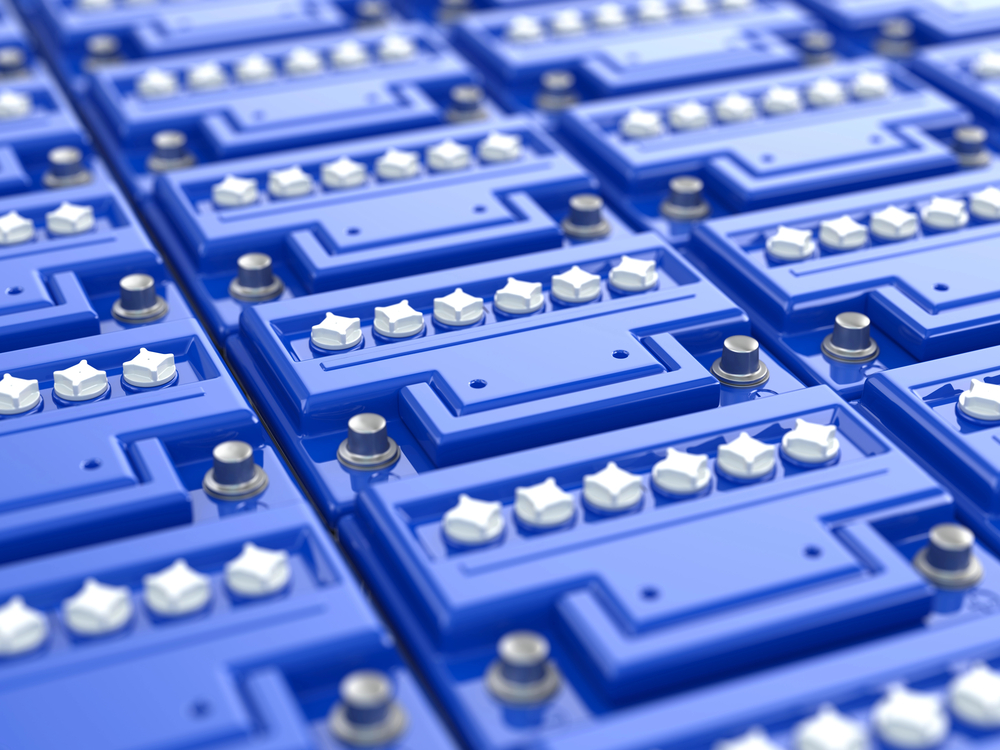
LG Energy Solution is currently the only non-Chinese company with a mass production system for ESS-specific LFP batteries. The company intends to transfer its production expertise from its facilities in Nanjing, China, and Michigan, USA, directly to the Ochang Energy Plant to help develop Korea’s domestic ESS ecosystem. In parallel, it aims to localize the sourcing of LFP battery materials—currently reliant on global supply chains—by collaborating with North Chungcheong Province and domestic suppliers. LFP technology is considered optimal for ESS applications due to its strong cost competitiveness and low fire risk. LG’s LFP products meet UL’s UL9540A fire safety standards and have passed Korea’s NFPC607 tests, demonstrating robust performance under thermal runaway conditions. These safety levels are attributed to LG’s proprietary battery management system (BMS) and integrated design across cell, module, and pack levels.
Feel free to contact us any time if you need assistance or have any questions regarding Korean certifications like KC, KC EMC, KCs, KCs for explosion safety products or KGS factory registration.
Tel. Europe: +49-69-271 37 69 259
Tel. US: +1 773 654-2673
Email: info@korea-certification.com
For more information you can download our free brochure “Korea Certification Made Easy – The Booklet“.
Korean Authorities close at the Turn of the Year – 2025/26
At the end of 2025 and the beginning of 2026, the Korean authorities and certification bodies will be closed.
On December 25, 2025, the authorities will be closed for Christmas. Also on January 1, 2026 for the New Year’s Day. The offices will resume their work on January 2, 2026. This closure period over the turn of the year can lead to delays in certification processes.

Although New Year’s Eve is celebrated rather quietly in Korea compared to the Spring Festival, it is still a noticed time. The Spring Festival holiday, the date of which is determined according to the Chinese lunar calendar, will take place next year from 17 February to expectedly 22 February 2026. We will inform you in good time about the exact closing days of the authorities during the Spring Festival.
MPR International GmbH will continue to support you in your certification processes in the new year. We wish you a successful New Year 2026!
Looking Back on a Successful 2025 – MPR International Thanks You for a Great Year
As 2025 comes to a close, MPR International looks back with gratitude on a successful year filled with exciting projects, strong partnerships, and valuable collaboration with our clients. We would like to sincerely thank you for your continued trust and support—your confidence in us is the foundation of our ongoing success.
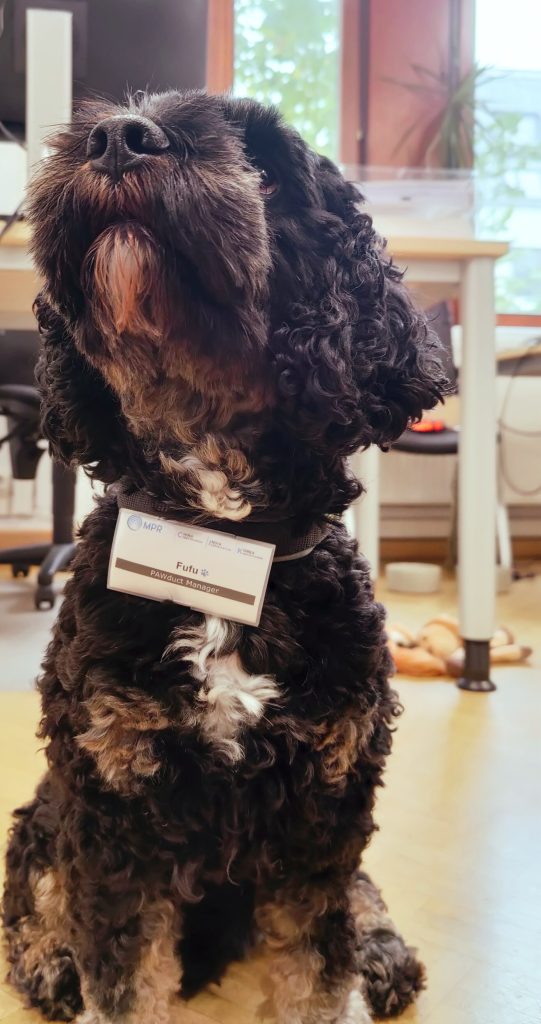
Alongside our professional achievements, we’re also pleased to share a lighter update from within the company: since this year, dogs are officially welcome in the office. Our “new team member”—a cheerful office dog – has quickly become a regular presence and a source of joy for the whole team. Research from Virginia Commonwealth University has shown that dogs in the workplace can significantly reduce stress and increase productivity—a benefit we’ve happily experienced firsthand.
Wishing you a Merry Christmas and a great start to the New Year 2026 – Your MPR International Team
Hyundai Launches Construction of Hydrogen Fuel Cell Production Hub in Ulsan
Hyundai Motor has initiated construction of a large-scale hydrogen fuel cell production facility at its Ulsan site, marking a strategic step in strengthening its global position in hydrogen-powered mobility and energy systems. Spanning over 95,000 square meters and scheduled for completion by 2027, the facility will integrate both chemical and assembly processes to support an annual production capacity of 30,000 hydrogen fuel cell units. It will also house Korea’s first proton exchange membrane (PEM) water electrolyzer. The project involves an investment of KRW 930 billion and repurposes part of a former internal combustion engine transmission plant, reflecting Hyundai’s shift toward sustainable technologies. Equipment and products related to hydrogen power generation usually require KGS registration in order to be approved for import and sale in Korea.
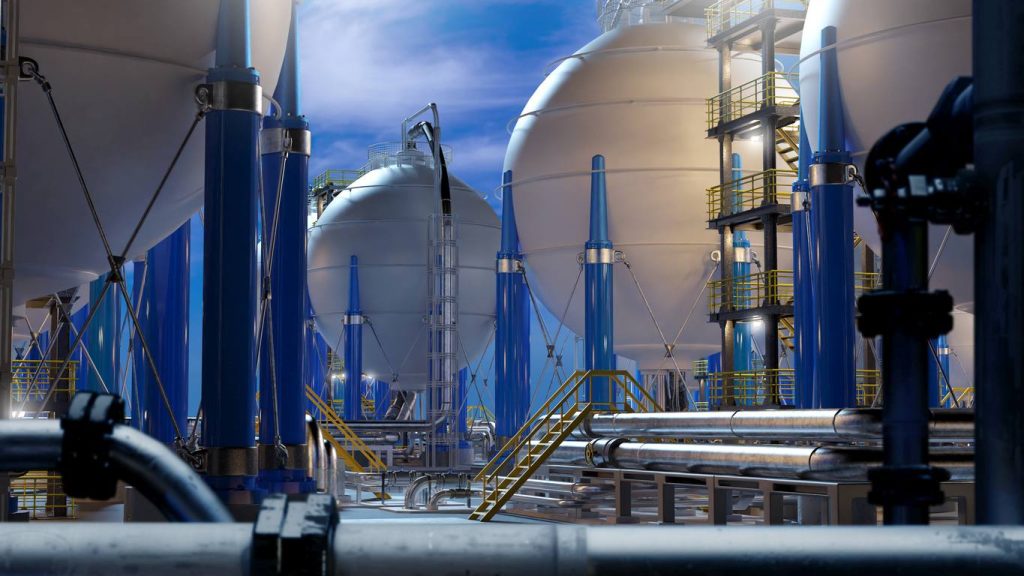
The plant aims to advance the next generation of hydrogen fuel cells by enhancing performance and cost efficiency, targeting use cases beyond passenger vehicles, including ships and construction machinery. PEM electrolyzers under development are expected to supply high-purity hydrogen for diverse applications, building on pilot projects such as a 1MW container-type electrolyzer producing over 300 kg of hydrogen daily. During the groundbreaking ceremony, attended by government officials and industry leaders, Hyundai signed an MOU with KGM Commercial to promote hydrogen-powered buses in Korea. The facility is also expected to boost the national hydrogen economy and contribute to regional development, with both government and industry stakeholders pledging continued support for hydrogen innovation.
Feel free to contact us any time if you need assistance or have any questions regarding Korean certifications like KC, KC EMC, KCs, KCs for explosion safety products or KGS factory registration.
Tel. Europe: +49-69-271 37 69 259
Tel. US: +1 773 654-2673
Email: info@korea-certification.com
For more information you can download our free brochure “Korea Certification Made Easy – The Booklet“.
KATS Revises 34 Electrical Appliance Safety Standards
The Korean Agency for Technology and Standards (KATS) has announced and published revisions of 34 standards of electrical products that require a KC Safety approval in Korea. With the announcement on October 27th, 2025 the updated standards have come into effect.

Below is the list of affected standards that have been updated:
| No. | Safety Standard Number | Title of Safety Standard |
| 1 | KC 60335-2-10 | Safety of household and similar electrical appliances – Part 2-10: Particular requirements for floor treatment machines and wet scrubbing machines |
| 2 | KC 60335-2-16 | Safety of household and similar electrical appliances – Part 2-16: Particular requirements for food waste disposers |
| 3 | KC 60335-2-21 | Safety of household and similar electrical appliances – Part 2-21: Particular requirements for storage water heaters |
| 4 | KC 60335-2-24 | Safety of household and similar electrical appliances – Part 2-24: Particular requirements for refrigerating appliances, ice-cream appliances and ice-makers |
| 5 | KC 60335-2-28 | Safety of household and similar electrical appliances – Part 2-28: Particular requirements for sewing machines |
| 6 | KC 60335-2-29 | Safety of household and similar electrical appliances – Part 2-29: Particular requirements for battery chargers |
| 7 | KC 60335-2-35 | Safety of household and similar electrical appliances – Part 2-35: Particular requirements for instantaneous water heaters |
| 8 | KC 60335-2-37 | Safety of household and similar electrical appliances – Part 2-37: Particular requirements for commercial deep fat fryers |
| 9 | KC 60335-2-38 | Safety of household and similar electrical appliances – Part 2-38: Particular requirements for commercial griddles and griddle grills |
| 10 | KC 60335-2-39 | Safety of household and similar electrical appliances – Part 2-39: Particular requirements for commercial multi-purpose cooking pans |
| 11 | KC 60335-2-41 | Safety of household and similar electrical appliances – Part 2-41: Particular requirements for pumps |
| 12 | KC 60335-2-42 | Safety of household and similar electrical appliances – Part 2-42: Particular requirements for commercial forced convection ovens, steam cookers and steam-convection ovens |
| 13 | KC 60335-2-47 | Safety of household and similar electrical appliances – Part 2-47: Particular requirements for commercial boiling pans |
| 14 | KC 60335-2-48 | Safety of household and similar electrical appliances – Part 2-48: Particular requirements for commercial electric grills and toasters |
| 15 | KC 60335-2-49 | Safety of household and similar electrical appliances – Part 2-49: Particular requirements for commercial hot cupboards |
| 16 | KC 60335-2-59 | Safety of household and similar electrical appliances – Part 2-59: Particular requirements for insect killers |
| 17 | KC 60335-2-64 | Safety of household and similar electrical appliances – Part 2-64: Particular requirements for commercial kitchen machines |
| 18 | KC 60335-2-65 | Safety of household and similar electrical appliances – Part 2-65: Particular requirements for air cleaners |
| 19 | KC 60335-2-68 | Safety of household and similar electrical appliances – Part 2-68: Particular requirements for spray extraction machines, including industrial and commercial machines |
| 20 | KC 60335-2-69 | Safety of household and similar electrical appliances – Part 2-69: Particular requirements for wet and dry vacuum cleaners, including power brush machines, for industrial and commercial use |
| 21 | KC 60335-2-72 | Safety of household and similar electrical appliances – Part 2-72: Particular requirements for automatic floor treatment machines for commercial and industrial use |
| 22 | KC 60335-2-78 | Safety of household and similar electrical appliances – Part 2-78: Particular requirements for outdoor barbecues |
| 23 | KC 60335-2-98 | Safety of household and similar electrical appliances – Part 2-98: Particular requirements for humidifiers |
| 24 | KC 60598-1 | Luminaires – Part 1: General requirements and tests |
| 25 | KC 61199 | Single-capped fluorescent lamps – Safety requirements |
| 26 | KC 62031 | LED modules for general lighting – Safety requirements |
| 27 | KC 60884-2-2 | Plugs and socket-outlets for household and similar purposes – Part 2-2: Particular requirements for socket-outlets for appliances |
| 28 | KC 60884-2-3 | Plugs and socket-outlets for household and similar purposes – Part 2-3: Particular requirements for switched socket-outlets without interlock, for fixed installation |
| 29 | KC 60884-2-5 | Plugs and socket-outlets for household and similar purposes – Part 2-5: Particular requirements for adaptors |
| 30 | KC 60884-2-6 | Plugs and socket-outlets for household and similar purposes – Part 2-6: Particular requirements for switched socket-outlets with interlock, for fixed installation |
| 31 | KC 62133-2 | Secondary lithium cells and batteries containing alkaline or other non-acid electrolytes – Safety requirements for portable sealed secondary lithium cells, and for batteries made from them, for use in portable applications |
| 32 | KC 62196-2 | Plugs, socket-outlets, vehicle connectors and vehicle inlets – Conductive charging of electric vehicles – Part 2: Dimensional compatibility and interchangeability requirements for AC pin and contact-tube accessories |
| 33 | KC 62368-1 | Audio/video, information and communication technology equipment – Part 1: Safety requirements |
| 34 | KC 10031 | Safety requirements for lithium secondary batteries for reuse of used batteries |
Feel free to contact us any time if you need assistance or have any questions regarding Korean certifications like KC, KC EMC, KCs, KCs for explosion safety products or KGS factory registration.
Tel. Europe: +49-69-271 37 69 259
Tel. US: +1 773 654-2673
Email: info@korea-certification.com
For more information you can download our free brochure “Korea Certification Made Easy – The Booklet“.
SK hynix Prepares M15X Facility for HBM4 Production Amid Global Demand Surge
SK hynix has begun installing industrial machinery at its new M15X fabrication plant in Cheongju, North Chungcheong Province, marking a significant step toward ramping up high bandwidth memory (HBM) production in Korea. The M15X, an expansion of the existing M15 facility, is expected to become the company’s primary production center for HBM products. Construction is set to be completed within the year, with operations scheduled to begin in 2026. As part of the preparation, SK hynix has also transferred some of its staff from its Icheon headquarters to the Cheongju site. Industrial machinery usually requires KCs certification in order to be approved for import and sale in Korea.
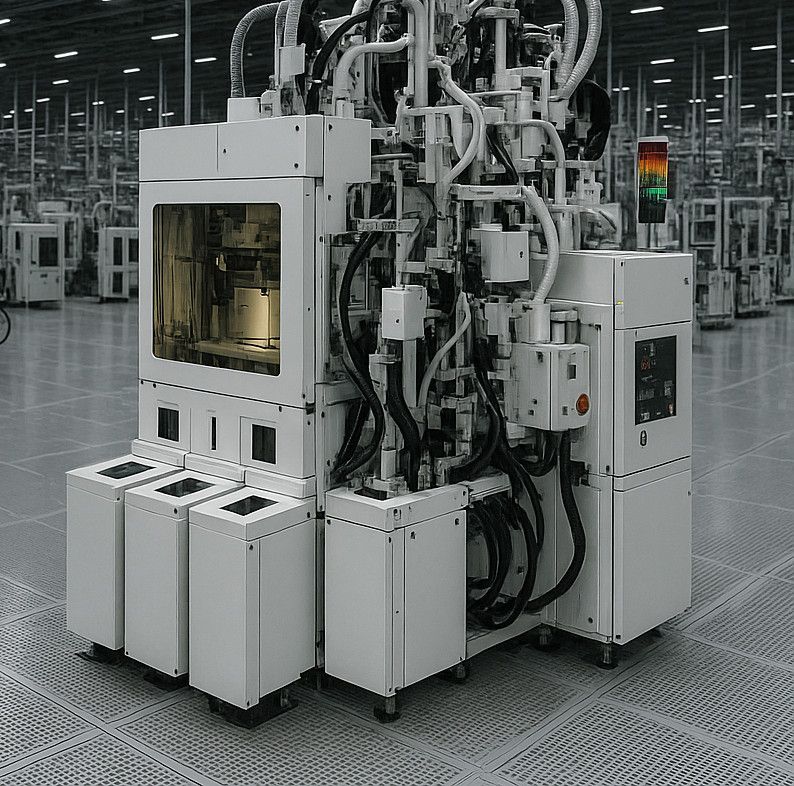
This new facility is anticipated to strengthen SK hynix’s position in the competitive HBM market, especially as global demand continues to rise. The company has finalized mass production readiness for its latest HBM4 products and is in the final negotiation stages with Nvidia regarding supply agreements.
Feel free to contact us any time if you need assistance or have any questions regarding Korean certifications like KC, KC EMC, KCs, KCs for explosion safety products or KGS factory registration.
Tel. Europe: +49-69-271 37 69 259
Tel. US: +1 773 654-2673
Email: info@korea-certification.com
For more information you can download our free brochure “Korea Certification Made Easy – The Booklet“.
KGS Opens Liquid Hydrogen Testing Center – Giving New Momentum to Safety and Innovation in Hydrogen Technologies
South Korea is entering a new phase of hydrogen safety management with the opening of the Liquefied Hydrogen Test Support Center, operated by the Korea Gas Safety Corporation (KGS). From December onward, statutory inspections and performance testing for liquefied hydrogen storage tanks and other cryogenic systems will be carried out domestically for the first time — marking a major step toward safer and more efficient hydrogen infrastructure.
The center will utilize its newly established facilities to perform inspections on seven categories of containers and specific equipment regulated under the High Pressure Gas Safety Management Act. These include liquefied hydrogen storage tanks, tank lorries, cryogenic containers, container accessories, safety valves and emergency shut-off devices, which all require KGS approval. This capability will allow KGS to ensure compliance and reliability across the full range of equipment used in the hydrogen supply chain.
The new facility covers 8,099 m² of land with a total floor space of 1,981 m². Built with an investment of 33.2 billion KRW, the center houses 27 types of advanced inspection and certification equipment across 23 categories, including high-precision vacuum insulation testing systems.
The storage tank testing facility is being outfitted with state-of-the-art systems to measure cryogenic insulation performance (Normal Evaporation Rate) and airtightness of storage tanks, tank lorries, and cryogenic vessels. Designed to accommodate testing of 4-ton storage tanks, the facility will be supported by 50-ton and 20-ton gantry cranes to handle and evaluate various tank configurations under real operating conditions.
Meanwhile, the product testing center will enable comprehensive performance evaluations — including blow-out and sealing tests for safety valves and blocking and sealing performance checks for emergency shut-off devices. In addition, the facility will support functional and thermal performance testing of liquefied hydrogen pumps, vaporizers, and vacuum-insulated pipelines, expanding beyond the scope of mandatory inspections to cover broader product R&D applications.
By maintaining an 8-ton supply of liquefied hydrogen and incorporating a re-liquefaction system to recover 200–250 kg of boil-off gas daily, the center ensures both safety and environmental sustainability during testing operations.
Feel free to contact us any time if you need assistance or have any questions regarding Korean certifications like KC, KC EMC, KCs, KCs for explosion safety products or KGS factory registration.
Tel. Europe: +49-69-271 37 69 259
Tel. US: +1 773 654-2673
Email: info@korea-certification.com
For more information you can download our free brochure “Korea Certification Made Easy – The Booklet“.
Korea Zinc Launches Gallium Facility to Reduce Reliance on Chinese Supply
Korea Zinc has announced plans to establish a gallium recovery plant at its Onsan smelter in Ulsan, as part of a broader strategy to secure supply chains for strategic minerals traditionally dominated by China. The company will invest 55.7 billion won (approximately $39.3 million) in the facility, with pilot operations set to begin in the first half of 2028. Once fully operational, the plant is projected to yield 15.5 metric tons of gallium annually, with estimated profits of 11 billion won based on current market prices. Supported by in-house research and development, Korea Zinc has commercialized its gallium extraction technology, enabling cost-effective and profitable production. Machinery usually requires KCs certification in order to be approved for import and sale in Korea.
Gallium, a mineral essential for advanced electronic applications such as semiconductors and LEDs, has been classified as a critical mineral by both the Korean government and the U.S. Department of Energy. Currently, China controls nearly 98.7 percent of global gallium output, and its recent export bans have heightened international concerns about supply chain vulnerabilities. Korea Zinc’s new facility aims to counteract these risks while also enabling the recovery of over 16 tons of indium annually as a by-product, adding another 8 billion won in potential revenue. The company, already the world’s largest non-Chinese indium refiner, continues to bolster its technological capabilities. Notably, its proprietary low-temperature, low-pressure hematite process has been designated a National Core Technology by Korea’s Ministry of Industry.
Feel free to contact us any time if you need assistance or have any questions regarding Korean certifications like KC, KC EMC, KCs, KCs for explosion safety products or KGS factory registration.
Tel. Europe: +49-69-271 37 69 259
Tel. US: +1 773 654-2673
Email: info@korea-certification.com
For more information you can download our free brochure “Korea Certification Made Easy – The Booklet“.
 We are part of the CERTANIA-Group.