

Schließen

Korea Strengthens KC Safety Focus in ESS Tender Evaluation
Korea’s KC Safety certification framework has gained renewed attention following the results of the country’s second government tender for energy storage systems (ESS). The latest procurement round highlights how KC Safety considerations, particularly fire prevention and system reliability, are increasingly shaping market access and supplier competitiveness in Korea’s expanding ESS sector.
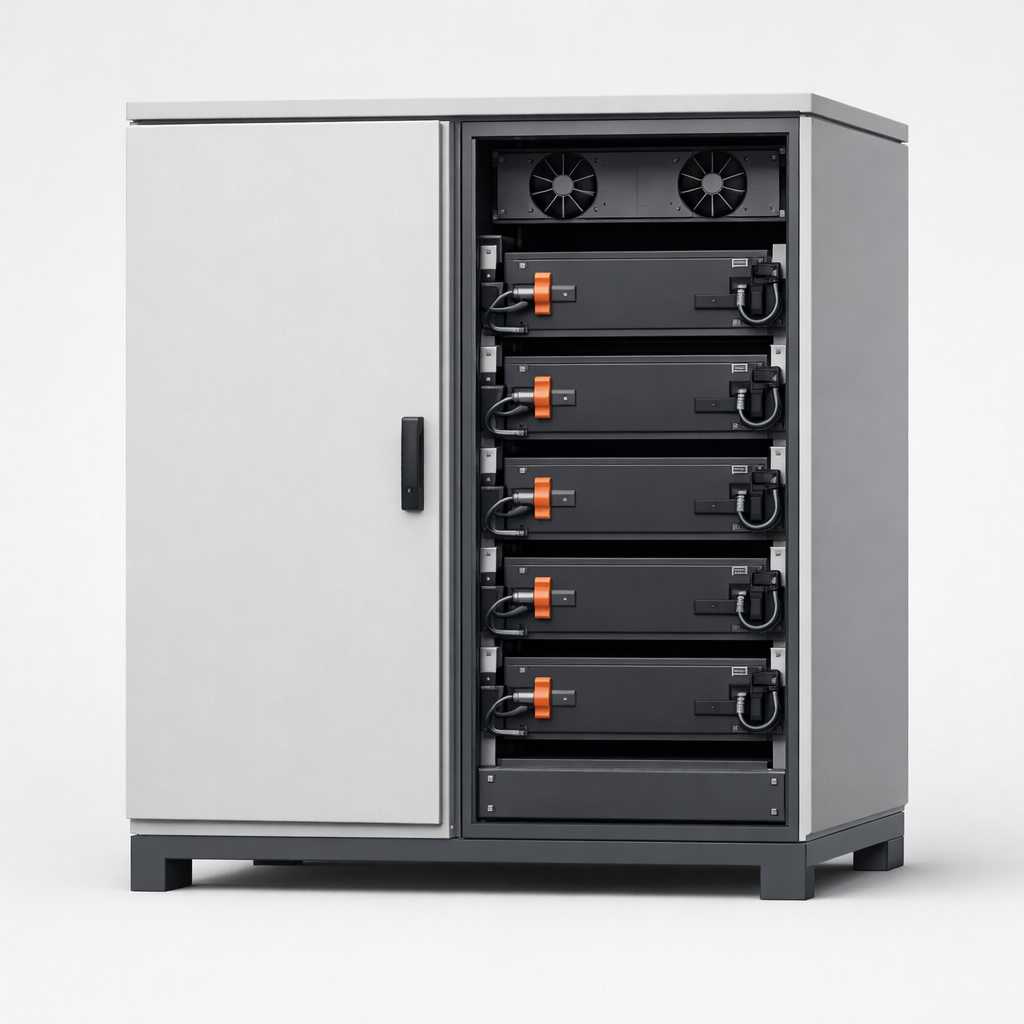
The tender, administered by the Ministry of Climate, Energy and Environment and the Korea Power Exchange, awarded a total of 565 MW across seven project sites. Notably, evaluation criteria were adjusted compared to the first round, with non-price factors—such as safety performance and industrial contribution—receiving equal weighting alongside bid price. This shift reflects a broader regulatory emphasis on safety assurance in ESS deployments, especially following prior industry concerns regarding battery-related fire risks. Energy storage systems usually require KC Safety certification in order to be approved for import and sale in Korea.
Increased Emphasis on KC Safety and Fire Prevention
The revised evaluation framework underscores the importance of compliance with Korea’s KC Safety certification, particularly in relation to fire protection standards for lithium-ion battery systems. Authorities explicitly prioritized technologies capable of mitigating thermal runaway risks and enhancing early fault detection.
Manufacturers responded by integrating advanced safety features into their ESS solutions. For example, diagnostic systems based on electrochemical impedance spectroscopy are being deployed to identify potential failure conditions before they escalate into safety incidents. In parallel, lithium iron phosphate (LFP) batteries are gaining traction due to their comparatively stable chemistry and lower fire risk profile, aligning with KC Safety expectations.
Additionally, the increased weighting of domestic industrial contribution signals a regulatory preference for localized supply chains. Companies are expected to demonstrate sourcing of key battery materials—such as cathodes, electrolytes, and separators—from domestic suppliers, which may also support compliance verification and traceability under KC Safety requirements.
Market Implications for ESS Manufacturers
The evolving tender criteria indicate that compliance with KC Safety certification is no longer a baseline requirement but a competitive differentiator in Korea’s ESS market. Battery manufacturers and system integrators seeking to participate in public procurement must align product design, testing, and documentation with stricter safety benchmarks.
At the same time, the ESS sector is becoming a strategic alternative for battery producers amid slowing electric vehicle demand. Since ESS systems share similar production infrastructure with EV batteries, manufacturers can pivot capacity while maintaining compliance with applicable certification schemes such as KC Safety.
Looking ahead, continued growth in global ESS demand—driven in part by data center expansion—suggests that Korea will remain a key market. Companies that can demonstrate robust KC Safety compliance, enhanced fire safety technologies, and alignment with domestic industrial policies will be better positioned to secure future contracts. Further regulatory details may be available through official certification bodies and related compliance resources.
Feel free to contact us any time if you need assistance or have any questions regarding Korean certifications like KC, KC EMC, KCs, KCs for explosion safety products or KGS factory registration.
Tel. Europe: +49-69-271 37 69 259
Tel. US: +1 773 654-2673
Email: info@korea-certification.com
For more information you can download our free brochure “Korea Certification Made Easy – The Booklet“.
Incheon Airport Hydrogen Infrastructure Supports KGS Compliance
South Korea is advancing its hydrogen mobility ecosystem with new infrastructure aligned with KGS certification requirements, as demonstrated by the completion of a liquefied hydrogen charging station at Incheon International Airport. The project reflects the country’s broader regulatory and safety framework governing hydrogen storage, transport, and refueling systems under the Korea Gas Safety (KGS) certification scheme.
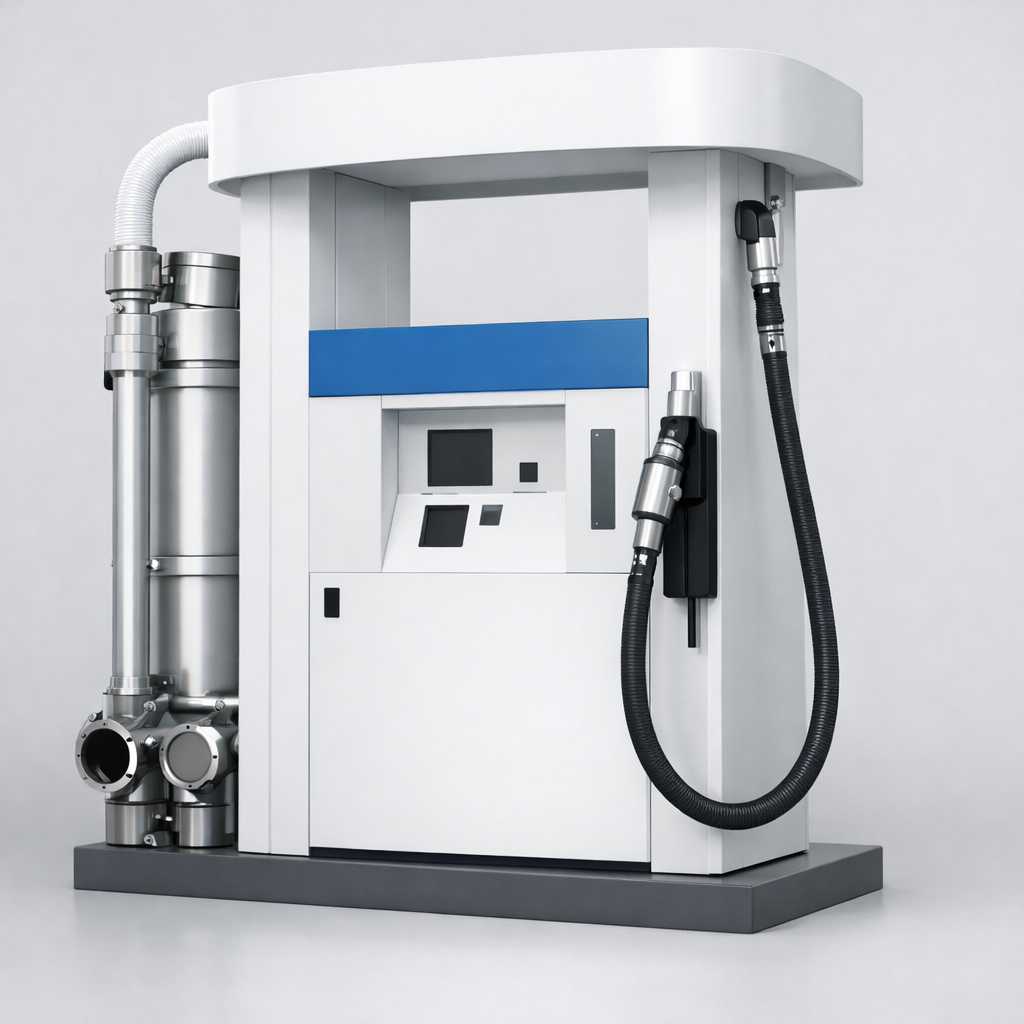
The newly completed station, developed by SK Innovation E&S, is located within the Terminal 2 parking area and is designed to supply up to 320 kilograms of liquefied hydrogen per hour. This capacity enables the daily refueling of up to 240 hydrogen-powered buses, supporting high-frequency airport operations. The facility is supplied by a nearby liquefied hydrogen production plant in Incheon, which produces approximately 90 tons per day. Hydrogen refueling infrastructure usually requires KGS certification in order to be approved for import and sale in Korea.
KGS Certification and Hydrogen Infrastructure Requirements
KGS certification plays a critical role in ensuring the safety and compliance of hydrogen-related installations in South Korea. The certification framework covers the design, construction, inspection, and operation of high-pressure gas systems, including liquefied hydrogen production plants and refueling stations. Facilities must comply with stringent technical standards addressing pressure control, cryogenic storage, leak prevention, and emergency response systems.
In the case of the Incheon airport station, compliance with KGS standards would have been essential throughout the project lifecycle, from engineering design to final commissioning. The integration of liquefied hydrogen systems introduces additional technical considerations compared to gaseous hydrogen, including ultra-low temperature handling and specialized insulation requirements.
The project also highlights the role of public-private cooperation in advancing compliant hydrogen infrastructure. Government funding and oversight, combined with private sector investment, support adherence to national safety codes while accelerating deployment timelines.
Implications for Market Access and Hydrogen Mobility Expansion
The deployment of hydrogen refueling infrastructure at a major international airport signals increasing maturity in Korea’s hydrogen mobility strategy. For manufacturers and operators, compliance with KGS certification remains a prerequisite for market entry, particularly for equipment such as storage tanks, dispensers, and transport systems.
The introduction of hydrogen-powered buses at Incheon Airport—already replacing a significant portion of the existing fleet—demonstrates the operational viability of such systems under regulatory oversight. Hydrogen buses offer advantages in refueling time and driving range, making them suitable for high-demand transport environments.
From a regulatory perspective, the visibility of such projects reinforces Korea’s commitment to carbon neutrality while emphasizing the importance of certified infrastructure. Companies seeking to participate in Korea’s hydrogen economy must ensure that their technologies meet KGS requirements to facilitate approval and deployment.
Further regulatory updates and technical guidance may be available through official certification bodies and industry resources.
Feel free to contact us any time if you need assistance or have any questions regarding Korean certifications like KC, KC EMC, KCs, KCs for explosion safety products or KGS factory registration.
Tel. Europe: +49-69-271 37 69 259
Tel. US: +1 773 654-2673
Email: info@korea-certification.com
For more information you can download our free brochure “Korea Certification Made Easy – The Booklet“.
Samsung Enhances Wind-Free Air Conditioners with AI Technology
Samsung Electronics has introduced a new generation of wind-free air conditioners equipped with artificial intelligence (AI), marking a technological update in the air conditioning sector. The announcement highlights the company’s continued focus on refining its wind-free cooling concept while integrating advanced AI functions to improve energy efficiency, user convenience, and indoor comfort. Air conditioners usually require KC Safety certification in order to be approved for import and sale in Korea.
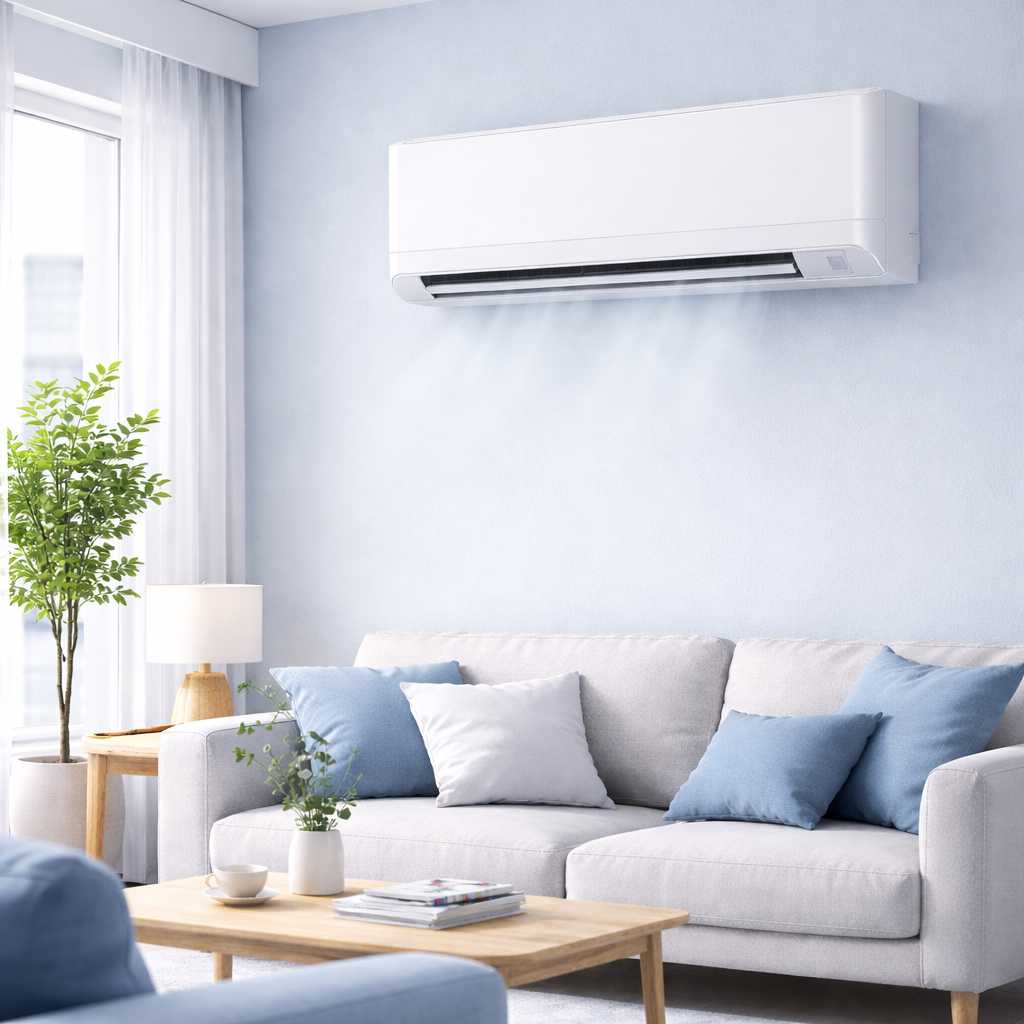
Wind-free air conditioners are designed to maintain comfortable indoor temperatures without strong direct airflow. The technology is based on the concept of “still air,” defined by the American Society of Heating, Refrigerating and Air-Conditioning Engineers as airflow below 0.15 meters per second. Samsung first introduced wind-free air conditioning technology in 2016 and has since expanded the concept across its product lineup. According to the company, more than 13 million wind-free units have been sold in Korea, with millions of additional units distributed annually in global markets.
AI Integration Expands Functionality of Wind-Free Cooling
The latest product generation, the 2026 Bespoke AI WindFree Combo Gallery series, incorporates AI-based control systems designed to adapt cooling performance to user behavior and environmental conditions. Available in both free-standing and wall-mounted configurations, the new models combine wind-free airflow technology with intelligent sensing capabilities.
Key features include AI Direct and AI Indirect airflow modes that utilize motion-radar sensors to detect the presence, location, and activity levels of occupants in a room. By analyzing this data, the system automatically adjusts airflow direction and cooling intensity to maintain comfortable conditions without producing noticeable drafts.
Samsung has also enhanced its AI voice assistant, Bixby, enabling users to control air conditioning functions through natural language commands. For example, users can request the system to activate cooling or automatically start dehumidification when humidity levels exceed a defined threshold. The system continuously learns from usage patterns, allowing it to optimize operational settings over time.
According to Samsung, the updated AI control functions can improve energy efficiency by up to 58 percent while increasing cooling speed by 19 percent compared with previous models. In addition, maintenance has been simplified through a design that allows the front panel, filters, and internal fan components to be fully detached for cleaning.
Regulatory Context and Market Access Considerations
For manufacturers and importers targeting the Korean market, compliance with the KC Safety certification system remains a key regulatory requirement for electrical household appliances, including air conditioning units. The KC certification framework evaluates product safety, electrical performance, and compliance with national technical standards before products can be distributed domestically.
Products equipped with advanced features such as sensors, wireless connectivity, or AI-based control systems must still meet the relevant KC safety and electrical standards applicable to air conditioners and similar household electrical appliances. Certification ensures that products meet Korea’s safety requirements for electrical insulation, electromagnetic compatibility, and operational safety.
As manufacturers continue integrating AI and smart-home functionality into climate control systems, regulatory compliance remains essential for market access. Additional regulatory updates and compliance guidance may be available through certification bodies and regulatory information resources.
Feel free to contact us any time if you need assistance or have any questions regarding Korean certifications like KC, KC EMC, KCs, KCs for explosion safety products or KGS factory registration.
Tel. Europe: +49-69-271 37 69 259
Tel. US: +1 773 654-2673
Email: info@korea-certification.com
For more information you can download our free brochure “Korea Certification Made Easy – The Booklet“.
Korea KC Safety Certification and AI Robot Vacuums Enter Market
South Korea’s household appliance market is witnessing a new wave of innovation as manufacturers introduce advanced AI-enabled cleaning devices. The launch of Dyson’s latest robotic cleaner highlights the growing technological competition in the sector and reinforces the importance of KC Safety certification for appliances entering the Korean market.
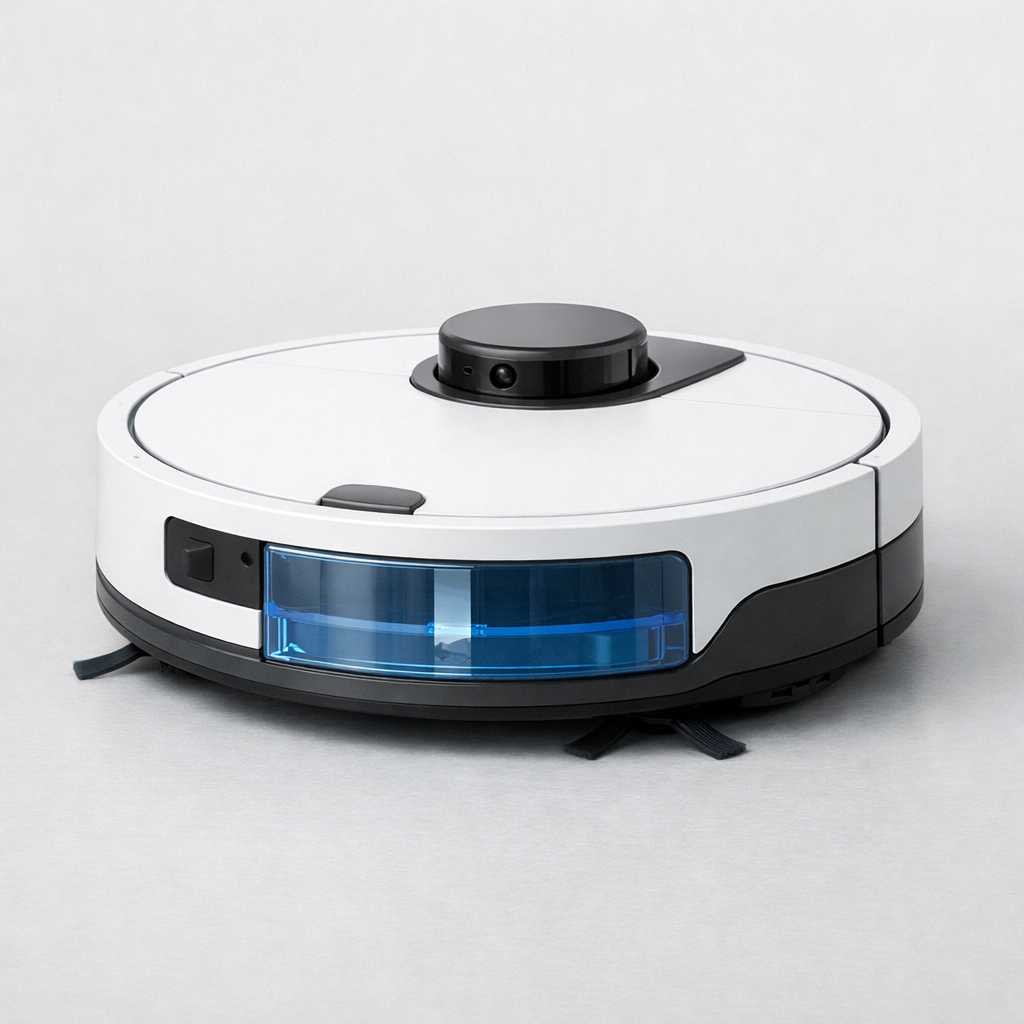
The new robotic vacuum cleaner was unveiled during a product demonstration in Seoul, where the device showcased artificial intelligence-driven cleaning functions. Equipped with advanced sensors and AI algorithms, the appliance can detect stains using a scanning beam and automatically repeat cleaning cycles until the surface is clean. According to the manufacturer, the device can repeat its cleaning process multiple times depending on the type and severity of the detected stain.
In addition to its automated cleaning logic, the design integrates user-visible features such as a transparent water tank that allows consumers to monitor water flow during operation. The robotic vacuum also incorporates obstacle-avoidance capabilities and can detect potential hazards, such as pet waste, enabling the device to change its path to avoid contamination during cleaning.
The product’s introduction illustrates the rapid evolution of Korea’s robot vacuum sector, which has become one of the most competitive segments of the home appliance industry. Vacuum cleaners and other house appliances usually require KC Safety certification in order to be approved for import and sale in Korea.
Feel free to contact us any time if you need assistance or have any questions regarding Korean certifications like KC, KC EMC, KCs, KCs for explosion safety products or KGS factory registration.
Tel. Europe: +49-69-271 37 69 259
Tel. US: +1 773 654-2673
Email: info@korea-certification.com
For more information you can download our free brochure “Korea Certification Made Easy – The Booklet“.
 We are part of the CERTANIA-Group.