
Demand for KC Safety-certified air conditioners in Korea is rising rapidly as forecasts point to unusually high temperatures and a potentially record-breaking summer season. Manufacturers are increasing production capacity and accelerating sales initiatives to meet growing consumer demand for cooling appliances. The trend highlights the importance of regulatory compliance and product certification as more air conditioning units enter the Korean market.
According to the Korea Meteorological Administration (KMA), there is a strong likelihood that temperatures during the spring months will remain above seasonal averages, with an increased number of unusually hot days expected. These forecasts have encouraged consumers to purchase cooling products earlier than usual, prompting major appliance brands to strengthen production and distribution efforts. Air conditioners usually require KC Safety certification in order to be approved for import and sale in Korea.

Major manufacturers are responding to the anticipated surge in demand by operating production facilities at or near full capacity. Samsung Electronics reported strong market interest in its recently introduced air conditioner models and has expanded manufacturing activities at its Gwangju facility. The company has also launched promotional campaigns while advancing preseason inspection services to prepare for increased installation requests.
LG Electronics has similarly reported accelerated sales growth and is maintaining high production levels at its Changwon manufacturing site. Industry participants note that consumers are increasingly purchasing air conditioners before the peak summer season to avoid potential installation delays and product shortages.
The market outlook is further supported by retail data showing significant increases in air conditioner orders compared with the same period last year. These developments indicate a robust seasonal market driven by both weather forecasts and consumer preparedness for extended heatwaves.
As air conditioner sales increase, compliance with Korea’s regulatory framework remains a critical requirement for manufacturers, importers, and exporters. KC Safety certification plays a key role in demonstrating that electrical appliances meet applicable Korean safety requirements before entering the market.
For companies seeking market access, certification procedures typically involve product testing, technical documentation review, and conformity assessment activities designed to verify compliance with Korean safety regulations. Maintaining valid certification is particularly important during periods of heightened demand, when manufacturers may accelerate product launches or increase import volumes.
The expected growth in cooling appliance sales also reflects broader market opportunities for both domestic and international suppliers. Companies planning to expand distribution in Korea should ensure that product certification, labeling, and regulatory documentation remain aligned with current requirements to avoid delays in customs clearance or market entry.
With forecasts indicating another exceptionally warm summer, demand for KC Safety-certified air conditioners is expected to remain strong throughout the season, reinforcing the importance of compliance readiness for businesses serving the Korean consumer appliance market.
Feel free to contact us any time if you need assistance or have any questions regarding Korean certifications like KC, KC EMC, KCs, KCs for explosion safety products, KGS factory registration and MFDS for medical devices.
Tel. Europe: +49-69-271 37 69 259
Tel. US: +1 773 654-2673
Email: info@korea-certification.com
For more information you can download our free brochure “Korea Certification Made Easy – The Booklet“.
South Korea is moving to strengthen oversight of human tissue-derived cosmetic injectables as concerns grow over safety, ethics, and regulatory consistency in the rapidly expanding aesthetic medicine sector. The debate has intensified around extracellular matrix (ECM) skin booster products, which are currently distributed under a separate human tissue management framework rather than through the conventional MFDS medical device approval pathway.
Industry experts, consumer groups, and regulators recently discussed the issue during a biohealth policy forum held at the National Assembly in Seoul. Participants highlighted what they described as a regulatory gap that allows some human tissue-based medical products to enter the Korean market without undergoing clinical trials, product-level approval, or formal adverse event monitoring systems.
Medical products usually require MFDS certification in order to be approved for import and sale in Korea.
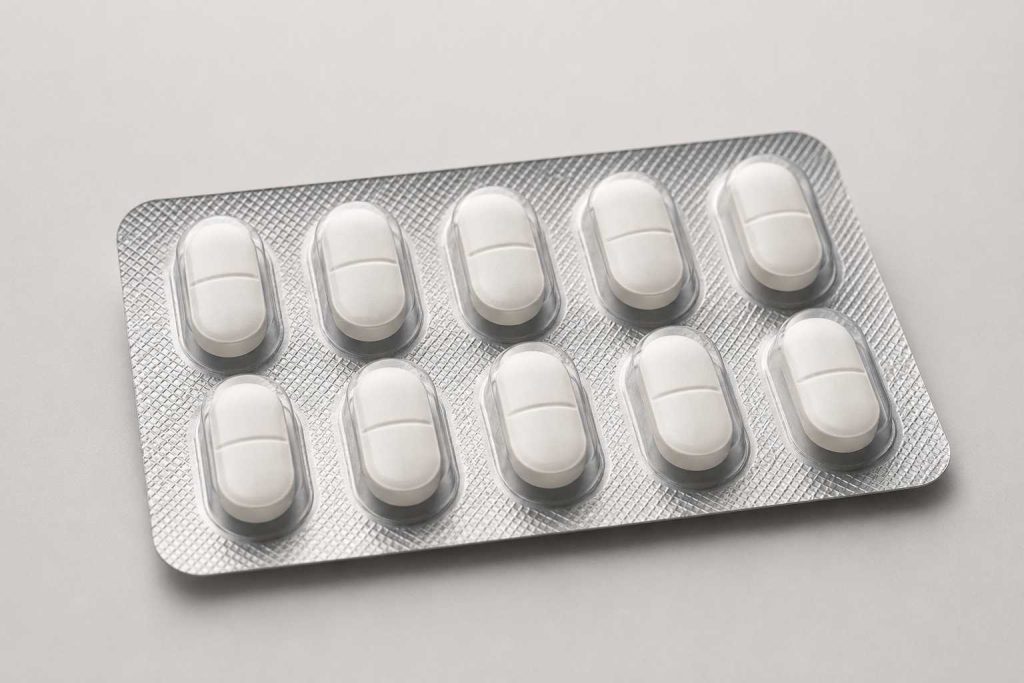
The controversy centers on ECM skin booster products manufactured from cadaver skin tissue donated by deceased individuals. The tissue is processed into extracellular matrix material, diluted, and injected directly into the skin during cosmetic dermatology procedures. Despite functioning similarly to injectable medical products, these materials are currently regulated as “human tissue” rather than as pharmaceuticals or medical devices.
Critics argue that this classification creates uneven regulatory standards compared with approved Class IV medical devices such as Rejuran and Juvelook, which reportedly underwent extensive clinical testing and MFDS review before commercialization. By contrast, certain ECM-based products have entered the market without equivalent approval procedures because they fall under human tissue regulations.
Consumer advocacy groups have also raised concerns regarding patient safety and informed consent. They argue that products injected into the human body should meet the same standards for efficacy verification, safety monitoring, and adverse event reporting as other injectable medical technologies.
In addition to safety concerns, ethical questions surrounding donor intent have become a major focus. Human tissue donation systems were originally established to support therapeutic applications such as wound healing and burn treatment. Critics contend that using donated tissue for premium cosmetic procedures may conflict with the intended purpose of tissue donation programs.
South Korean authorities are now reviewing supplementary regulatory measures. Discussions reportedly include stronger labeling and advertising restrictions, enhanced adverse event reporting systems, and tighter controls over intended product use by tissue banks.
Officials from both the Ministry of Health and Welfare and the Ministry of Food and Drug Safety (MFDS) acknowledged that the current legal framework lacks direct mechanisms for regulating cosmetic applications of human tissue products. Authorities also indicated that legislative discussions are underway with lawmakers to determine the appropriate scope of future oversight.
International regulatory practices are also influencing the debate. In the United States and Europe, human tissue-derived products are generally subject to stricter conditions regarding manipulation, homologous use, quality control, and premarket review. Korean regulators are therefore facing growing pressure to align domestic management standards more closely with overseas practices.
The expanding regenerative medicine sector is expected to remain a key factor in future regulatory reforms as South Korea evaluates how to balance innovation, patient safety, and ethical standards for human tissue-based medical products.
Feel free to contact us any time if you need assistance or have any questions regarding Korean certifications like KC, KC EMC, KCs, KCs for explosion safety products, KGS factory registration and MFDS for medical devices.
Tel. Europe: +49-69-271 37 69 259
Tel. US: +1 773 654-2673
Email: info@korea-certification.com
For more information you can download our free brochure “Korea Certification Made Easy – The Booklet“.
Korea has announced revisions to several KGS technical standards aimed at strengthening safety requirements for hydrogen pressure vessels and hydrogen transfer operations. The proposed amendments focus on improving operational reliability, reducing ignition risks, and introducing clearer technical requirements for hydrogen infrastructure used in transport, storage, and refueling applications.
The Gas Technology Standards Committee is collecting public comments on six revised standards, including KGS FP111, FP112, FP211, FP216, FP217, and FU111, until April 1. The revisions mainly address hydrogen transfer and loading procedures at hydrogen refueling stations and related high-pressure gas facilities. Hydrogen pressure vessels usually require KGS registration in order to be approved for import and sale in Korea.

One of the most significant changes is the mandatory use of performance-certified high-pressure hoses for hydrogen loading and transfer operations involving hydrogen tube trailers and related systems. The requirement applies to equipment operating at a maximum working pressure of 20 MPa or lower. According to the draft revisions, the new rule will take effect on January 1, 2027, with an additional six-month transition period provided for existing facilities.
As a result, operators of current hydrogen facilities will also be required to replace non-certified hoses with certified products beginning in the second half of 2027. The measure is intended to improve the reliability and durability of key hydrogen transfer components while reducing the risk of leakage or mechanical failure during operation.
The revised KGS standards also introduce new work safety provisions intended to minimize ignition hazards during hydrogen handling. Specifically, operators connecting or disconnecting high-pressure hoses must use metal tools designed to prevent spark generation. Although these tools are not required to obtain separate certification, the standards formally define their use within hydrogen transfer procedures.
Additional revisions apply to hydrogen charging and storage facilities covered under FP211, FP216, FP217, and FU111. The updated rules clarify installation requirements for protective barriers located near hydrogen equipment and introduce new technical criteria for precast concrete protective walls assembled on-site after factory production.
Under the proposed framework, precast concrete barriers must comply with Korea Gas Safety Corporation performance certification requirements. The revisions also establish testing standards covering structural integrity, dimensions, durability, transportation, and installation verification procedures.
The updated KGS certification framework is expected to strengthen quality assurance for hydrogen pressure vessels and associated transfer systems while supporting safer hydrogen infrastructure development in Korea. Industry stakeholders are also expected to benefit from clearer compliance requirements for construction, storage, and refueling operations involving high-pressure hydrogen systems.
Feel free to contact us any time if you need assistance or have any questions regarding Korean certifications like KC, KC EMC, KCs, KCs for explosion safety products, KGS factory registration and MFDS for medical devices.
Tel. Europe: +49-69-271 37 69 259
Tel. US: +1 773 654-2673
Email: info@korea-certification.com For more information you can download our free brochure “Korea Certification Made Easy – The Booklet
South Korea’s Ministry of Food and Drug Safety (MFDS) has ordered a temporary sales suspension for two anti-inflammatory painkillers produced by Korea Syntex Pharmaceutical following violations related to product labeling requirements. The regulatory action highlights the importance of MFDS compliance for pharmaceutical manufacturers seeking to maintain market access in Korea. Medical products usually require MFDS certification in order to be approved for import and sale in Korea.

According to the MFDS, the affected products are Ifpen tablets and Ifpen W tablets. The authority stated that the labeling displayed on the product containers differed from the approved or officially filed information. As a result, the company received an administrative disposition on April 27, with the three-month suspension period remaining in effect until July 9.
The latest enforcement action follows a series of previous regulatory violations involving Korea Syntex Pharmaceutical. In December of last year, the company received another administrative disposition for failing to comply with Good Manufacturing Practice (GMP) requirements. The MFDS identified several deficiencies, including the failure to conduct raw material quality testing, insufficient validation of cleaning procedures based on the company’s own manuals, and the absence of required stability testing.
As part of that earlier case, manufacturing operations for 58 pharmaceutical items were suspended for periods ranging from three to four months. The repeated violations have drawn attention to the stricter enforcement environment surrounding pharmaceutical manufacturing and quality management in South Korea.
The MFDS continues to strengthen oversight of pharmaceutical production processes as part of broader efforts to ensure product safety, manufacturing consistency, and accurate labeling within the domestic healthcare market.
Korea Syntex Pharmaceutical has also faced previous sanctions related to unauthorized formulation changes. In November 2023, regulators found that the company had added an excipient during manufacturing without approval, leading to the cancellation of its GMP compliance determination. A second cancellation occurred in April 2024 after the company was found to have changed an excipient without submitting the required change report to regulators.
The company challenged the administrative measures through legal proceedings but ultimately lost in the first trial and later accepted the ruling.
The case underscores the importance of maintaining accurate product registration details, validated manufacturing procedures, and strict GMP compliance under South Korea’s pharmaceutical regulatory framework. Manufacturers exporting or producing medical products for the Korean market may face administrative penalties, production suspensions, or certification cancellations if they fail to comply with MFDS filing and quality requirements.
Further regulatory developments may continue to influence compliance expectations for pharmaceutical companies operating in Korea’s regulated healthcare sector.
Feel free to contact us any time if you need assistance or have any questions regarding Korean certifications like KC, KC EMC, KCs, KCs for explosion safety products, KGS factory registration and MFDS for medical devices.
Tel. Europe: +49-69-271 37 69 259
Tel. US: +1 773 654-2673
Email: info@korea-certification.com
For more information you can download our free brochure “Korea Certification Made Easy – The Booklet“.
You need to load content from reCAPTCHA to submit the form. Please note that doing so will share data with third-party providers.
More InformationYou are currently viewing a placeholder content from Turnstile. To access the actual content, click the button below. Please note that doing so will share data with third-party providers.
More Information