



Korea Revises KGS Safety Rules for Hydrogen Pressure Vessels
14. May 2026Korea has announced revisions to several KGS technical standards aimed at strengthening safety requirements for hydrogen pressure vessels and hydrogen transfer operations. The proposed amendments focus on improving operational reliability, reducing ignition risks, and introducing clearer technical requirements for hydrogen infrastructure used in transport, storage, and refueling applications.
The Gas Technology Standards Committee is collecting public comments on six revised standards, including KGS FP111, FP112, FP211, FP216, FP217, and FU111, until April 1. The revisions mainly address hydrogen transfer and loading procedures at hydrogen refueling stations and related high-pressure gas facilities. Hydrogen pressure vessels usually require KGS registration in order to be approved for import and sale in Korea.
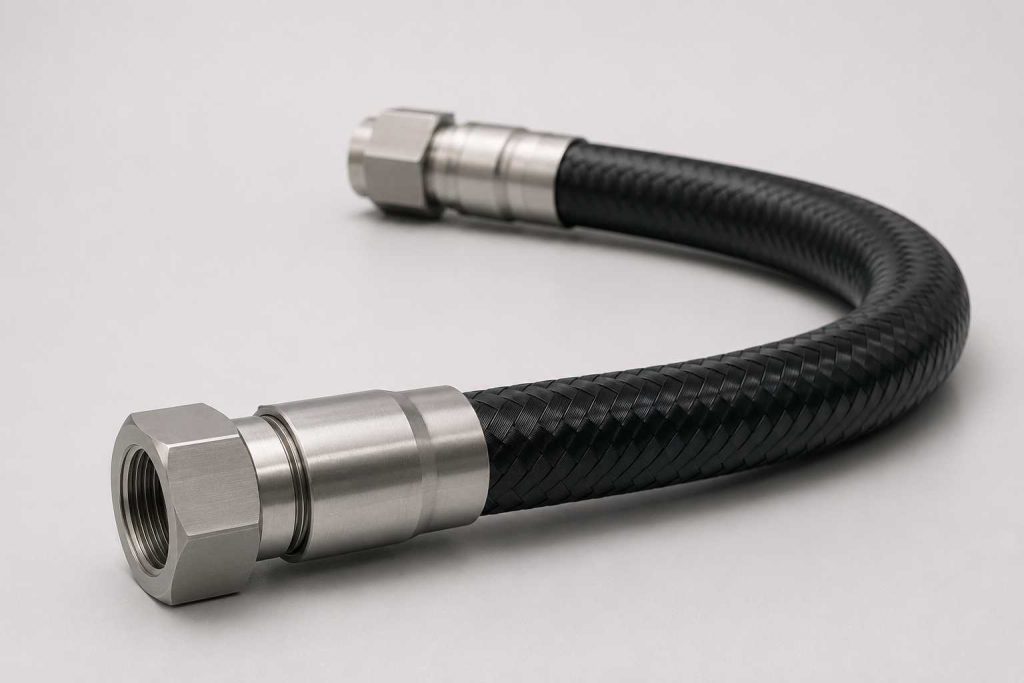
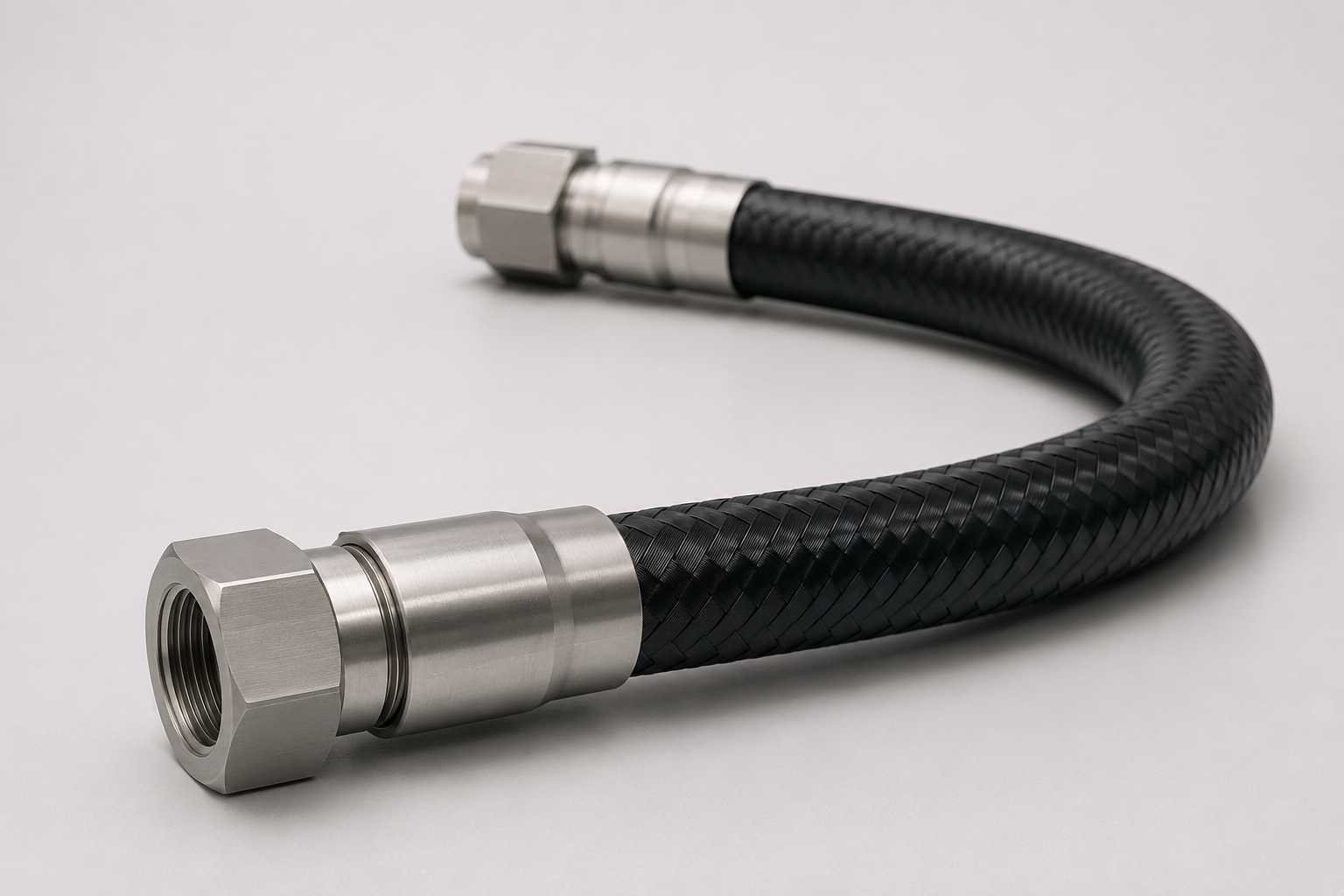
One of the most significant changes is the mandatory use of performance-certified high-pressure hoses for hydrogen loading and transfer operations involving hydrogen tube trailers and related systems. The requirement applies to equipment operating at a maximum working pressure of 20 MPa or lower. According to the draft revisions, the new rule will take effect on January 1, 2027, with an additional six-month transition period provided for existing facilities.
As a result, operators of current hydrogen facilities will also be required to replace non-certified hoses with certified products beginning in the second half of 2027. The measure is intended to improve the reliability and durability of key hydrogen transfer components while reducing the risk of leakage or mechanical failure during operation.
The revised KGS standards also introduce new work safety provisions intended to minimize ignition hazards during hydrogen handling. Specifically, operators connecting or disconnecting high-pressure hoses must use metal tools designed to prevent spark generation. Although these tools are not required to obtain separate certification, the standards formally define their use within hydrogen transfer procedures.
Additional revisions apply to hydrogen charging and storage facilities covered under FP211, FP216, FP217, and FU111. The updated rules clarify installation requirements for protective barriers located near hydrogen equipment and introduce new technical criteria for precast concrete protective walls assembled on-site after factory production.
Under the proposed framework, precast concrete barriers must comply with Korea Gas Safety Corporation performance certification requirements. The revisions also establish testing standards covering structural integrity, dimensions, durability, transportation, and installation verification procedures.
The updated KGS certification framework is expected to strengthen quality assurance for hydrogen pressure vessels and associated transfer systems while supporting safer hydrogen infrastructure development in Korea. Industry stakeholders are also expected to benefit from clearer compliance requirements for construction, storage, and refueling operations involving high-pressure hydrogen systems.
Feel free to contact us any time if you need assistance or have any questions regarding Korean certifications like KC, KC EMC, KCs, KCs for explosion safety products, KGS factory registration and MFDS for medical devices.
Tel. Europe: +49-69-271 37 69 259
Tel. US: +1 773 654-2673
Email: info@korea-certification.com For more information you can download our free brochure “Korea Certification Made Easy – The Booklet