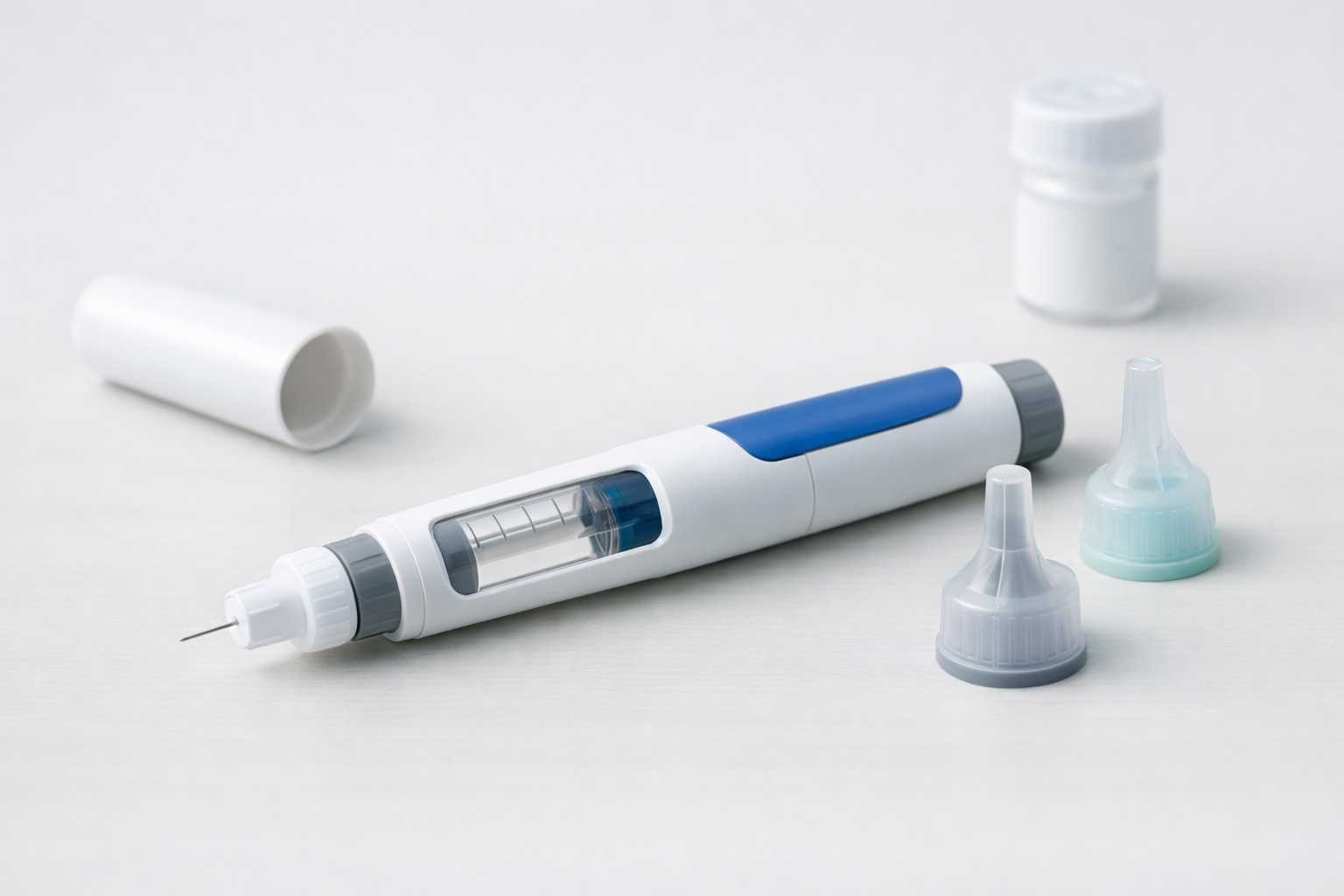




Korea MFDS Regulation Shapes Emerging Oral Obesity Drug Market
23. April 2026The rapid expansion of oral obesity treatments is drawing increased regulatory attention, particularly under the Korea MFDS framework governing pharmaceutical approvals. As global pharmaceutical companies shift from injectable to oral formulations, the Korea MFDS regulatory pathway is expected to play a critical role in determining how quickly these innovative therapies enter the domestic market. Korean developers are actively aligning their research and commercialization strategies with evolving international and local compliance requirements. Pharmaceutical products usually require MFDS approval in order to be approved for import and sale in Korea.

The growing interest in glucagon-like peptide-1 (GLP-1) receptor agonists, such as semaglutide and orforglipron, reflects a broader trend toward more convenient, patient-friendly drug delivery methods. Oral formulations eliminate the need for cold-chain logistics and injections, which can simplify distribution and improve patient adherence. However, these advantages also require thorough regulatory evaluation to ensure safety, efficacy, and quality standards are met before market entry.
Regulatory Pathways and Product Differentiation
Internationally, leading products such as Novo Nordisk’s Wegovy tablets and Eli Lilly’s Foundayo have already received approval in the United States, demonstrating strong clinical performance in weight reduction. As these products expand into global markets, manufacturers must navigate country-specific regulatory frameworks, including Korea’s MFDS requirements for clinical data, manufacturing standards, and labeling compliance.
In Korea, regulatory authorities have also intensified oversight in response to concerns about counterfeit or improperly marketed weight loss products. This has led to stricter enforcement actions and greater scrutiny of health claims, particularly in the dietary supplement and pharmaceutical sectors. For companies seeking MFDS certification, this environment underscores the importance of robust clinical evidence and transparent product positioning.
At the same time, Korean pharmaceutical companies are pursuing differentiated approaches to obesity treatment development. These include injectable therapies tailored to local patient populations, oral drug candidates advancing through clinical trials, and alternative delivery systems such as transdermal patches. Next-generation products, including multi-action and small-molecule GLP-1 therapies, are also under development, reflecting efforts to enhance efficacy and patient convenience while meeting regulatory expectations.
Market Access and Global Expansion Considerations
The global obesity treatment market has seen significant growth, driven by rising prevalence rates and increased demand for effective therapies. For Korean companies, expanding into international markets requires not only meeting MFDS standards but also aligning with regulatory requirements in other jurisdictions. Conversely, foreign manufacturers aiming to enter Korea must prepare for MFDS review processes, which may include additional data submissions and local clinical considerations.
As oral obesity treatments continue to gain traction, regulatory compliance will remain a key factor influencing market access and product success. The Korea MFDS is expected to maintain a central role in evaluating these therapies, balancing innovation with patient safety. Further regulatory updates and guidance may be available through official certification resources and industry publications.
Feel free to contact us any time if you need assistance or have any questions regarding Korean certifications like KC, KC EMC, KCs, KCs for explosion safety products, KGS factory registration and MFDS for medical devices.
Tel. Europe: +49-69-271 37 69 259
Tel. US: +1 773 654-2673
Email: info@korea-certification.com