

Schließen

Korea Strengthens Hydrogen Fuel Facility Standards
Korea’s Ministry of Climate, Energy and Environment has officially announced revisions to the KGS FU671 Code governing hydrogen fuel usage facilities, following approval under Article 48 of the Hydrogen Economy Promotion and Hydrogen Safety Management Act. The update introduces new technical and safety requirements for hydrogen pipelines, extraction facilities, and fuel cell installations, reflecting the country’s continued effort to enhance hydrogen safety as infrastructure expands. Hydrogen related systems, equipment and components usually reguire KGS registration in order to be approved for import and sale in Korea.
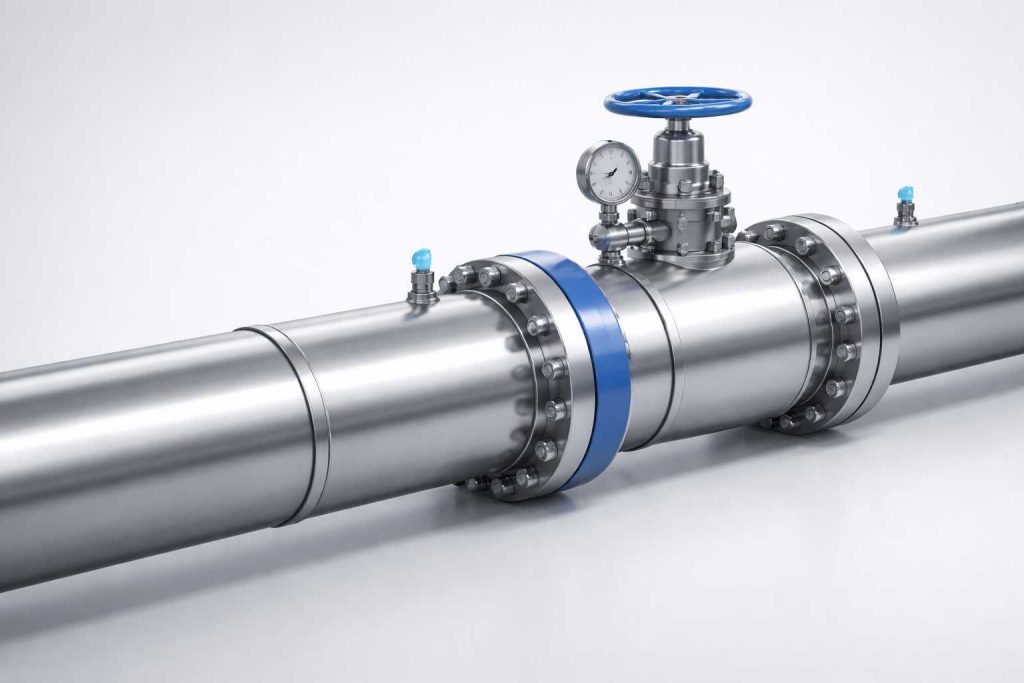
A central amendment is the introduction of a dedicated thickness calculation method for carbon steel hydrogen pipelines installed outside business sites. The revised standard requires consideration of hydrogen embrittlement and adopts calculation principles referencing ASME B31.12 (Hydrogen Piping and Pipelines). In addition, where carbon steel is used for high-pressure hydrogen pipelines outside facilities, API 5L PSL2 materials must be applied to improve resistance to hydrogen-induced degradation.
The revision also establishes minimum process control requirements for large-scale hydrogen extraction systems exceeding 2,000 Nm³/h production capacity. These facilities must now be equipped with interlock control systems capable of automatically shutting off feedstock supply in cases of abnormal operation.
Further updates address underground hydrogen fuel cell installations. Where fuel cells are installed below ground level, operators must ensure that gas supply can be easily shut off from ground level, aligning hydrogen requirements with existing city gas safety practices.
The amended code also clarifies standards for overpressure safety device vent pipes, specifying that discharged gas must not be directed downward and refining minimum height requirements based on international references such as NFPA 2. Additional wording adjustments were made to eliminate ambiguities in provisions concerning riser valve installation and electrostatic grounding systems.
With these revisions, KGS FU671 strengthens structural integrity requirements for hydrogen infrastructure while harmonizing domestic standards with internationally recognized codes. The updated criteria are expected to enhance operational safety and regulatory clarity as Korea continues to scale up hydrogen deployment across industrial and energy sectors.
Feel free to contact us any time if you need assistance or have any questions regarding Korean certifications like KC, KC EMC, KCs, KCs for explosion safety products or KGS factory registration.
Tel. Europe: +49-69-271 37 69 259
Tel. US: +1 773 654-2673
Email: info@korea-certification.com
For more information you can download our free brochure “Korea Certification Made Easy – The Booklet“.
Korean Battery Sector Sees Renewed Momentum from Robotics and High-Performance EV Applications
Manufacturers of equipment and components used in battery production are adapting to shifting market dynamics as demand grows for high-density, high-output battery technologies in Korea. Industry leaders LG Energy Solution, Samsung SDI and SK On have strengthened their capabilities in nickel-cobalt-manganese (NCM) battery technology, which is regaining traction in segments where energy density and performance are decisive. While lithium iron phosphate (LFP) batteries previously expanded market share due to cost and safety advantages, recent developments highlight renewed interest in NCM solutions, particularly for advanced robotics and high-performance electric vehicles. Manufacturers of equipment and components used in battery production are adapting to shifting market dynamics as demand grows for high-density, high-output battery technologies in Korea. usually require KCs certification in order to be approved for import and sale in Korea.
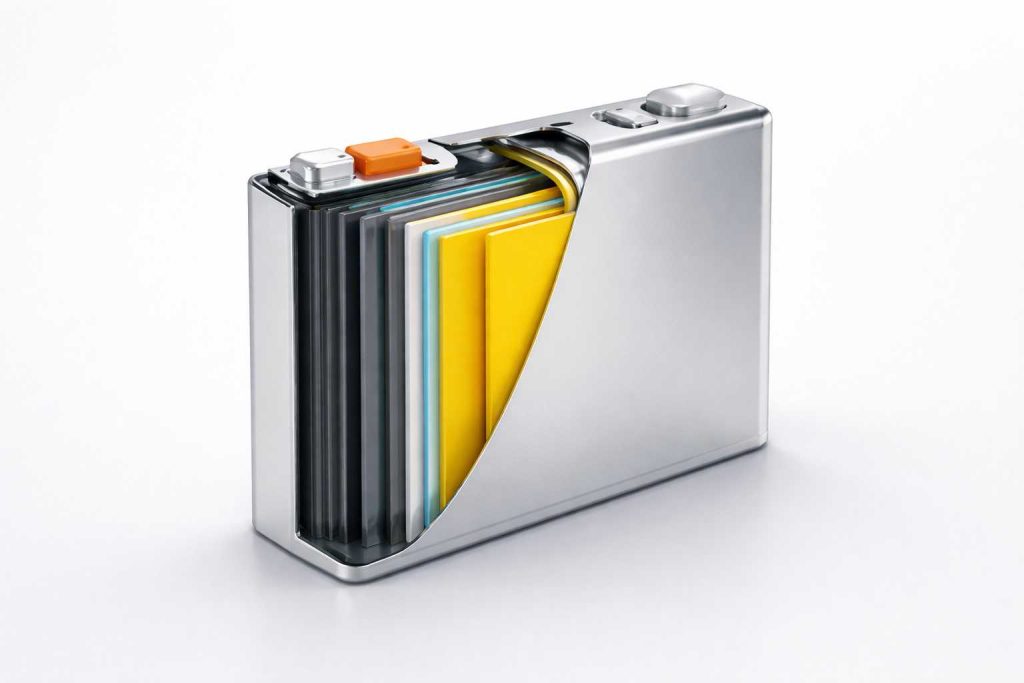
NCM batteries are valued for their ability to deliver higher energy storage within the same footprint while reducing overall weight, making them suitable for humanoid robots and premium electric vehicles. LG Energy Solution is reportedly supplying batteries for Boston Dynamics’ humanoid robot “Atlas” and Tesla’s “Optimus,” signaling potential growth in robotics once commercialization accelerates. In the automotive sector, Porsche has opted for batteries from Samsung SDI and LG Energy Solution for its electric vehicles in Korea, while SK On is expected to provide large-capacity batteries for Polestar’s upcoming “Polestar 5.” Extended-range electric vehicles (EREVs), which combine battery propulsion with auxiliary combustion engines, are also contributing to increased demand for high-output NCM batteries. Industry representatives anticipate that as the temporary slowdown in electric vehicle demand stabilizes, profitability will increasingly shift back from energy storage systems toward EV batteries, with robotics emerging as a possible long-term growth driver.
Feel free to contact us any time if you need assistance or have any questions regarding Korean certifications like KC, KC EMC, KCs, KCs for explosion safety products or KGS factory registration.
Tel. Europe: +49-69-271 37 69 259
Tel. US: +1 773 654-2673
Email: info@korea-certification.com For more information you can download our free brochure “Korea Certification Made Easy – The Booklet
Hyundai Nexo Sees Rising Demand Amid Infrastructure Constraints in Korea
Hyundai Motor’s hydrogen-powered Nexo is recording renewed sales momentum in Korea, even as the market continues to be constrained by insufficient refueling infrastructure. Monthly sales exceeded 1,000 units for three consecutive months for the first time since late 2022, reflecting growing consumer interest driven by product upgrades and strong policy support. The latest version of the Nexo delivers extended driving range, improved power output, and refreshed design elements inspired by Hyundai’s early vehicle models. Hydrogen drive production related equipment and components usually require KGS registration in order to be approved for import and sale in Korea.
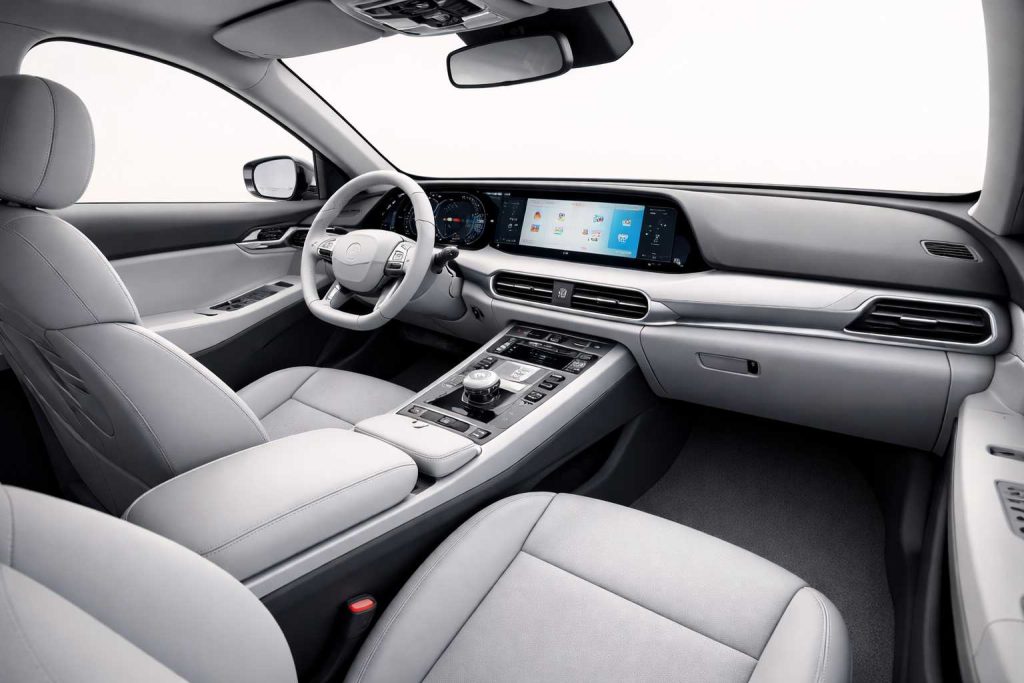
Demand has also been supported by substantial government subsidies, which significantly reduce the vehicle’s purchase price and position it competitively alongside hybrid and electric SUVs. Hyundai’s Ulsan plant, with an annual production capacity of about 15,000 units, has already sold out its allocation for the year, pushing new orders into next year’s delivery schedule. Despite positive customer feedback on driving performance and comfort, limited hydrogen charging infrastructure remains a key obstacle, with the number of hydrogen stations far below that of electric vehicle chargers, particularly in major cities such as Seoul.
Feel free to contact us any time if you need assistance or have any questions regarding Korean certifications like KC, KC EMC, KCs, KCs for explosion safety products or KGS factory registration.
Tel. Europe: +49-69-271 37 69 259
Tel. US: +1 773 654-2673
Email: info@korea-certification.com
For more information you can download our free brochure “Korea Certification Made Easy – The Booklet“.
Samsung Accelerates Pyeongtaek Chip Expansion as AI-Driven Memory Demand Rises
Samsung Electronics is speeding up development of its large-scale semiconductor manufacturing complex in Pyeongtaek, Gyeonggi Province, as rising global demand for advanced memory chips reshapes its investment plans. The company has expanded its contract value for Phase 4 of the P4 facility to a total of 4.2 trillion won ($3 billion), a roughly 50 percent increase from the amount disclosed earlier this year, while also advancing the project’s completion date to April 2027. Construction, which had been largely suspended for more than a year due to a downturn in the semiconductor market, resumed in July as Samsung reoriented the facility toward next-generation production needs. Chip production equipment and components usually require KCs for machinery in order to be approved for import and sale in Korea.
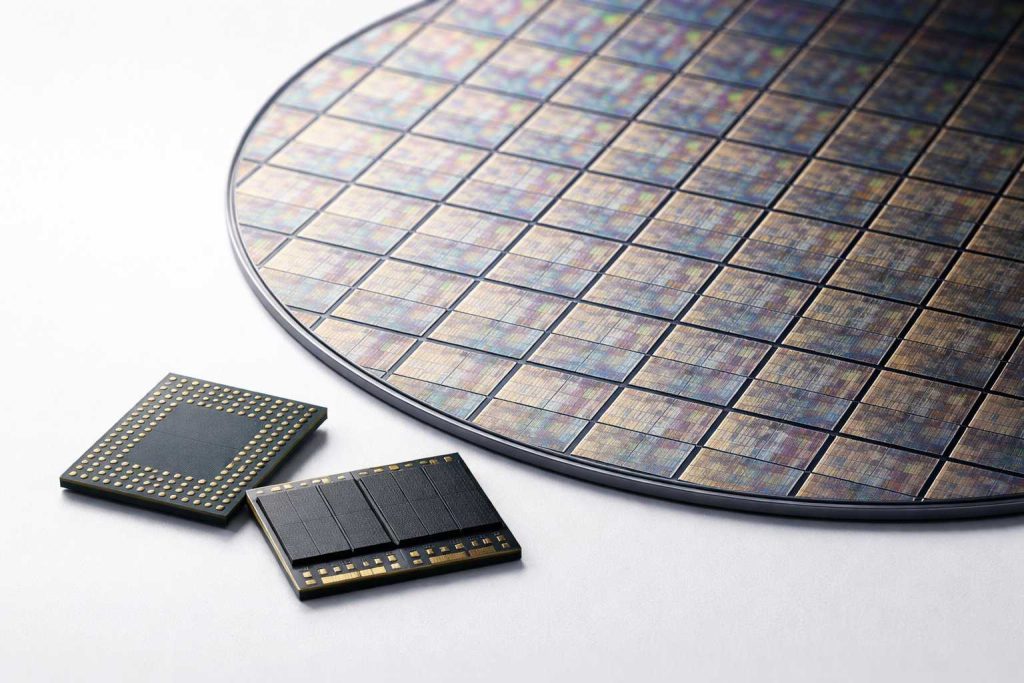
The P4 complex is structured into four phases, with initial lines producing NAND flash and DRAM, while later phases are increasingly expected to focus on high bandwidth memory to support expanding artificial intelligence infrastructure. Analysts point to surging orders from major global customers and projects such as OpenAI’s large-scale data center initiative as key drivers behind the accelerated investment, with industry estimates suggesting that future demand will significantly exceed current global capacity. In parallel, Samsung is also advancing overseas projects, including its Taylor, Texas plant, which is moving toward final regulatory approvals ahead of planned operations in 2026, underscoring a broader strategy to scale production capacity amid a prolonged upcycle in the memory market.
Feel free to contact us any time if you need assistance or have any questions regarding Korean certifications like KC, KC EMC, KCs, KCs for explosion safety products or KGS factory registration.
Tel. Europe: +49-69-271 37 69 259
Tel. US: +1 773 654-2673
Email: info@korea-certification.com
For more information you can download our free brochure “Korea Certification Made Easy – The Booklet“.
 We are part of the CERTANIA-Group.