


Schließen
Korea KC Safety Certification and AI Robot Vacuums Enter Market
South Korea’s household appliance market is witnessing a new wave of innovation as manufacturers introduce advanced AI-enabled cleaning devices. The launch of Dyson’s latest robotic cleaner highlights the growing technological competition in the sector and reinforces the importance of KC Safety certification for appliances entering the Korean market.
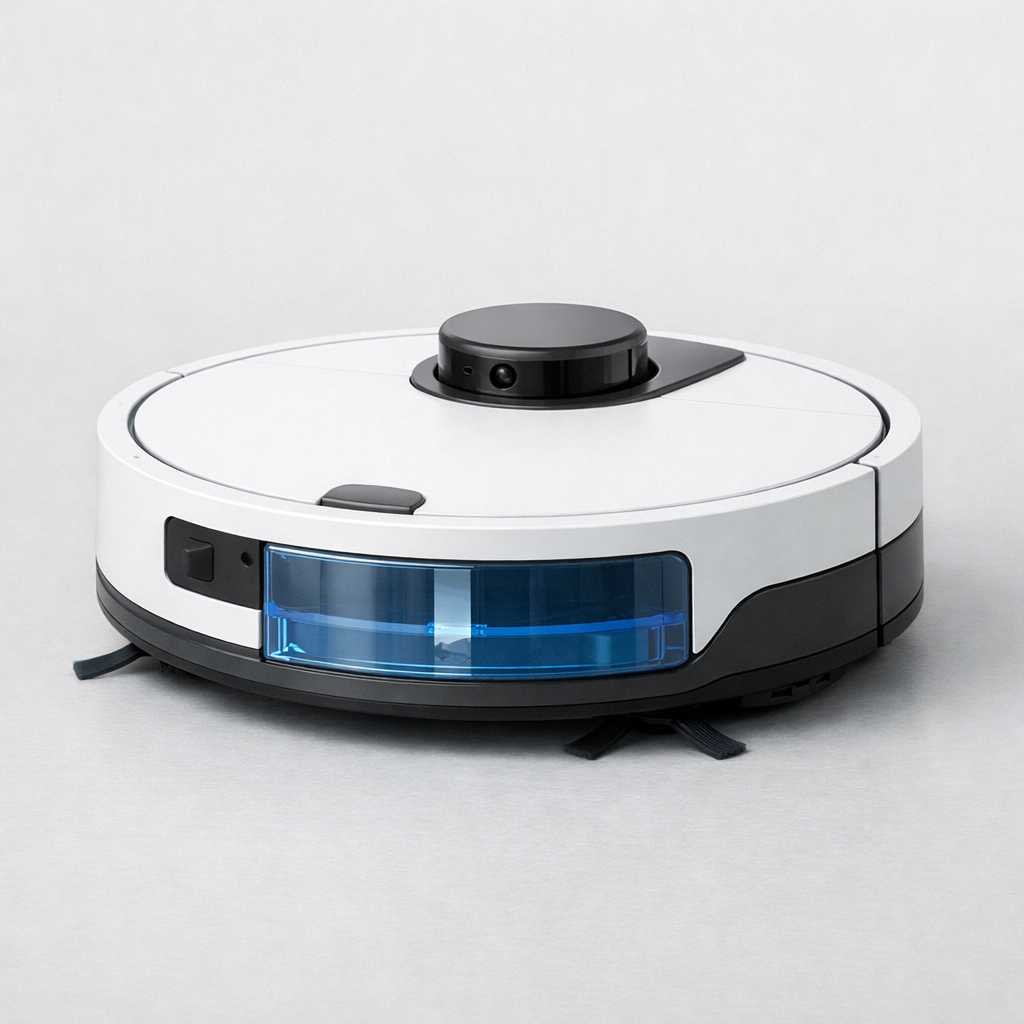
The new robotic vacuum cleaner was unveiled during a product demonstration in Seoul, where the device showcased artificial intelligence-driven cleaning functions. Equipped with advanced sensors and AI algorithms, the appliance can detect stains using a scanning beam and automatically repeat cleaning cycles until the surface is clean. According to the manufacturer, the device can repeat its cleaning process multiple times depending on the type and severity of the detected stain.
In addition to its automated cleaning logic, the design integrates user-visible features such as a transparent water tank that allows consumers to monitor water flow during operation. The robotic vacuum also incorporates obstacle-avoidance capabilities and can detect potential hazards, such as pet waste, enabling the device to change its path to avoid contamination during cleaning.
The product’s introduction illustrates the rapid evolution of Korea’s robot vacuum sector, which has become one of the most competitive segments of the home appliance industry. Vacuum cleaners and other house appliances usually require KC Safety certification in order to be approved for import and sale in Korea.
Feel free to contact us any time if you need assistance or have any questions regarding Korean certifications like KC, KC EMC, KCs, KCs for explosion safety products or KGS factory registration.
Tel. Europe: +49-69-271 37 69 259
Tel. US: +1 773 654-2673
Email: info@korea-certification.com
For more information you can download our free brochure “Korea Certification Made Easy – The Booklet“.
Korea Strengthens Hydrogen Fuel Facility Standards
Korea’s Ministry of Climate, Energy and Environment has officially announced revisions to the KGS FU671 Code governing hydrogen fuel usage facilities, following approval under Article 48 of the Hydrogen Economy Promotion and Hydrogen Safety Management Act. The update introduces new technical and safety requirements for hydrogen pipelines, extraction facilities, and fuel cell installations, reflecting the country’s continued effort to enhance hydrogen safety as infrastructure expands. Hydrogen related systems, equipment and components usually reguire KGS registration in order to be approved for import and sale in Korea.
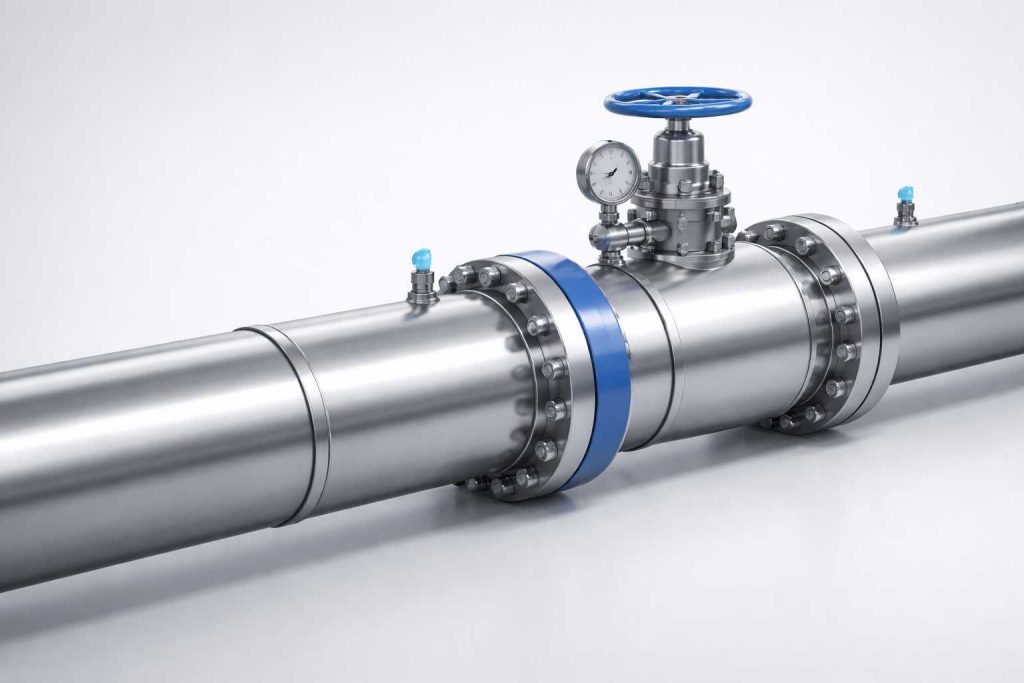
A central amendment is the introduction of a dedicated thickness calculation method for carbon steel hydrogen pipelines installed outside business sites. The revised standard requires consideration of hydrogen embrittlement and adopts calculation principles referencing ASME B31.12 (Hydrogen Piping and Pipelines). In addition, where carbon steel is used for high-pressure hydrogen pipelines outside facilities, API 5L PSL2 materials must be applied to improve resistance to hydrogen-induced degradation.
The revision also establishes minimum process control requirements for large-scale hydrogen extraction systems exceeding 2,000 Nm³/h production capacity. These facilities must now be equipped with interlock control systems capable of automatically shutting off feedstock supply in cases of abnormal operation.
Further updates address underground hydrogen fuel cell installations. Where fuel cells are installed below ground level, operators must ensure that gas supply can be easily shut off from ground level, aligning hydrogen requirements with existing city gas safety practices.
The amended code also clarifies standards for overpressure safety device vent pipes, specifying that discharged gas must not be directed downward and refining minimum height requirements based on international references such as NFPA 2. Additional wording adjustments were made to eliminate ambiguities in provisions concerning riser valve installation and electrostatic grounding systems.
With these revisions, KGS FU671 strengthens structural integrity requirements for hydrogen infrastructure while harmonizing domestic standards with internationally recognized codes. The updated criteria are expected to enhance operational safety and regulatory clarity as Korea continues to scale up hydrogen deployment across industrial and energy sectors.
Feel free to contact us any time if you need assistance or have any questions regarding Korean certifications like KC, KC EMC, KCs, KCs for explosion safety products or KGS factory registration.
Tel. Europe: +49-69-271 37 69 259
Tel. US: +1 773 654-2673
Email: info@korea-certification.com
For more information you can download our free brochure “Korea Certification Made Easy – The Booklet“.
Korean Authorities close at the Turn of the Year – 2025/26
At the end of 2025 and the beginning of 2026, the Korean authorities and certification bodies will be closed.
On December 25, 2025, the authorities will be closed for Christmas. Also on January 1, 2026 for the New Year’s Day. The offices will resume their work on January 2, 2026. This closure period over the turn of the year can lead to delays in certification processes.

Although New Year’s Eve is celebrated rather quietly in Korea compared to the Spring Festival, it is still a noticed time. The Spring Festival holiday, the date of which is determined according to the Chinese lunar calendar, will take place next year from 17 February to expectedly 22 February 2026. We will inform you in good time about the exact closing days of the authorities during the Spring Festival.
MPR International GmbH will continue to support you in your certification processes in the new year. We wish you a successful New Year 2026!
Looking Back on a Successful 2025 – MPR International Thanks You for a Great Year
As 2025 comes to a close, MPR International looks back with gratitude on a successful year filled with exciting projects, strong partnerships, and valuable collaboration with our clients. We would like to sincerely thank you for your continued trust and support—your confidence in us is the foundation of our ongoing success.
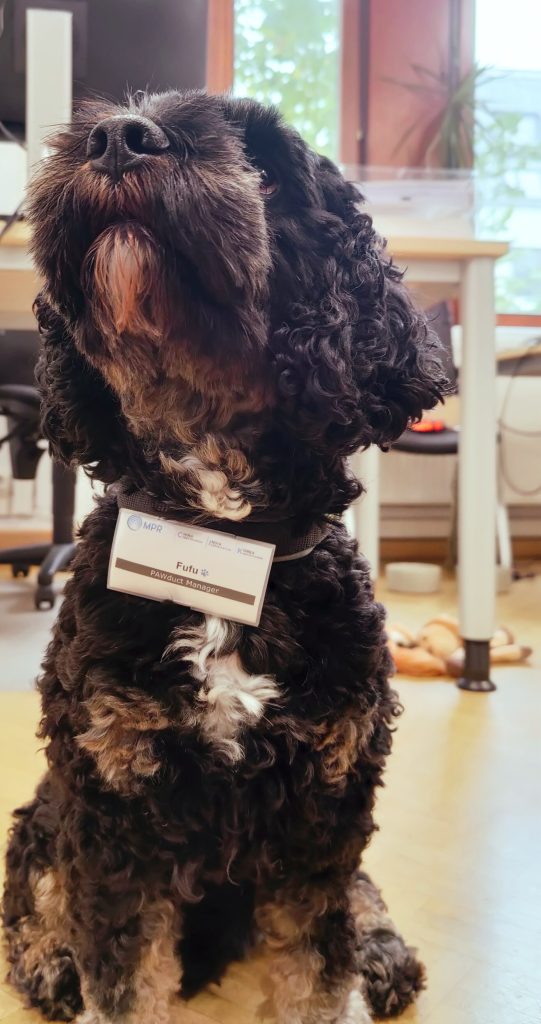
Alongside our professional achievements, we’re also pleased to share a lighter update from within the company: since this year, dogs are officially welcome in the office. Our “new team member”—a cheerful office dog – has quickly become a regular presence and a source of joy for the whole team. Research from Virginia Commonwealth University has shown that dogs in the workplace can significantly reduce stress and increase productivity—a benefit we’ve happily experienced firsthand.
Wishing you a Merry Christmas and a great start to the New Year 2026 – Your MPR International Team
KATS Revises 34 Electrical Appliance Safety Standards
The Korean Agency for Technology and Standards (KATS) has announced and published revisions of 34 standards of electrical products that require a KC Safety approval in Korea. With the announcement on October 27th, 2025 the updated standards have come into effect.

Below is the list of affected standards that have been updated:
| No. | Safety Standard Number | Title of Safety Standard |
| 1 | KC 60335-2-10 | Safety of household and similar electrical appliances – Part 2-10: Particular requirements for floor treatment machines and wet scrubbing machines |
| 2 | KC 60335-2-16 | Safety of household and similar electrical appliances – Part 2-16: Particular requirements for food waste disposers |
| 3 | KC 60335-2-21 | Safety of household and similar electrical appliances – Part 2-21: Particular requirements for storage water heaters |
| 4 | KC 60335-2-24 | Safety of household and similar electrical appliances – Part 2-24: Particular requirements for refrigerating appliances, ice-cream appliances and ice-makers |
| 5 | KC 60335-2-28 | Safety of household and similar electrical appliances – Part 2-28: Particular requirements for sewing machines |
| 6 | KC 60335-2-29 | Safety of household and similar electrical appliances – Part 2-29: Particular requirements for battery chargers |
| 7 | KC 60335-2-35 | Safety of household and similar electrical appliances – Part 2-35: Particular requirements for instantaneous water heaters |
| 8 | KC 60335-2-37 | Safety of household and similar electrical appliances – Part 2-37: Particular requirements for commercial deep fat fryers |
| 9 | KC 60335-2-38 | Safety of household and similar electrical appliances – Part 2-38: Particular requirements for commercial griddles and griddle grills |
| 10 | KC 60335-2-39 | Safety of household and similar electrical appliances – Part 2-39: Particular requirements for commercial multi-purpose cooking pans |
| 11 | KC 60335-2-41 | Safety of household and similar electrical appliances – Part 2-41: Particular requirements for pumps |
| 12 | KC 60335-2-42 | Safety of household and similar electrical appliances – Part 2-42: Particular requirements for commercial forced convection ovens, steam cookers and steam-convection ovens |
| 13 | KC 60335-2-47 | Safety of household and similar electrical appliances – Part 2-47: Particular requirements for commercial boiling pans |
| 14 | KC 60335-2-48 | Safety of household and similar electrical appliances – Part 2-48: Particular requirements for commercial electric grills and toasters |
| 15 | KC 60335-2-49 | Safety of household and similar electrical appliances – Part 2-49: Particular requirements for commercial hot cupboards |
| 16 | KC 60335-2-59 | Safety of household and similar electrical appliances – Part 2-59: Particular requirements for insect killers |
| 17 | KC 60335-2-64 | Safety of household and similar electrical appliances – Part 2-64: Particular requirements for commercial kitchen machines |
| 18 | KC 60335-2-65 | Safety of household and similar electrical appliances – Part 2-65: Particular requirements for air cleaners |
| 19 | KC 60335-2-68 | Safety of household and similar electrical appliances – Part 2-68: Particular requirements for spray extraction machines, including industrial and commercial machines |
| 20 | KC 60335-2-69 | Safety of household and similar electrical appliances – Part 2-69: Particular requirements for wet and dry vacuum cleaners, including power brush machines, for industrial and commercial use |
| 21 | KC 60335-2-72 | Safety of household and similar electrical appliances – Part 2-72: Particular requirements for automatic floor treatment machines for commercial and industrial use |
| 22 | KC 60335-2-78 | Safety of household and similar electrical appliances – Part 2-78: Particular requirements for outdoor barbecues |
| 23 | KC 60335-2-98 | Safety of household and similar electrical appliances – Part 2-98: Particular requirements for humidifiers |
| 24 | KC 60598-1 | Luminaires – Part 1: General requirements and tests |
| 25 | KC 61199 | Single-capped fluorescent lamps – Safety requirements |
| 26 | KC 62031 | LED modules for general lighting – Safety requirements |
| 27 | KC 60884-2-2 | Plugs and socket-outlets for household and similar purposes – Part 2-2: Particular requirements for socket-outlets for appliances |
| 28 | KC 60884-2-3 | Plugs and socket-outlets for household and similar purposes – Part 2-3: Particular requirements for switched socket-outlets without interlock, for fixed installation |
| 29 | KC 60884-2-5 | Plugs and socket-outlets for household and similar purposes – Part 2-5: Particular requirements for adaptors |
| 30 | KC 60884-2-6 | Plugs and socket-outlets for household and similar purposes – Part 2-6: Particular requirements for switched socket-outlets with interlock, for fixed installation |
| 31 | KC 62133-2 | Secondary lithium cells and batteries containing alkaline or other non-acid electrolytes – Safety requirements for portable sealed secondary lithium cells, and for batteries made from them, for use in portable applications |
| 32 | KC 62196-2 | Plugs, socket-outlets, vehicle connectors and vehicle inlets – Conductive charging of electric vehicles – Part 2: Dimensional compatibility and interchangeability requirements for AC pin and contact-tube accessories |
| 33 | KC 62368-1 | Audio/video, information and communication technology equipment – Part 1: Safety requirements |
| 34 | KC 10031 | Safety requirements for lithium secondary batteries for reuse of used batteries |
Feel free to contact us any time if you need assistance or have any questions regarding Korean certifications like KC, KC EMC, KCs, KCs for explosion safety products or KGS factory registration.
Tel. Europe: +49-69-271 37 69 259
Tel. US: +1 773 654-2673
Email: info@korea-certification.com
For more information you can download our free brochure “Korea Certification Made Easy – The Booklet“.
South Korea Orders Recall of 63 Unsafe Consumer Products
The Korean Agency for Technology and Standards (KATS) has announced mandatory recalls for 63 consumer products found to violate national safety standards. The decision follows an extensive four-month inspection of 1,100 items across 75 product categories, including children’s goods, household items, and electrical appliances. According to the report, the recalled products include 42 children’s products, 14 household goods, and 7 electrical items. The inspection targeted high-risk or frequently reported products such as children’s textiles, batteries, and heating devices. In order to avoid such safety and quality deficiencies, KC certification is generally required before many products can be introduced and distributed.

Major Findings
Among the children’s products, 15 textile items failed due to improper cords and drawstrings that posed strangulation risks, while several others exceeded limits for hazardous substances such as lead, phthalates, and formaldehyde. Notably, one children’s knit cardigan contained lead levels 379 times higher than the Korean limit, and a child’s pair of shoes exceeded phthalate concentration limits by over 270 times.
In the household goods category, four eye massagers were found to overheat beyond the permitted 50°C threshold, reaching up to 64°C during abnormal operation. Two handheld laser pointers also exceeded the Class 1 laser safety limit of 1 mW output, while a kickboard and a set of roller sports protective gear failed braking and impact absorption tests respectively.
Among electrical items, several DC power adapters and heating appliances were judged to pose potential fire or burn risks due to excessive temperature rise or insufficient insulation clearance. One rechargeable battery unit ignited during overcharge testing, and a heated seat cushion recorded a surface temperature of 91°C, surpassing the allowable 85°C limit.
Examples of Non-Conforming Products
The KATS report highlighted several specific cases:
- A children’s hoodie with loose cords and toggles that were not properly secured, violating safety rules on drawstring attachment.
- A toy slime product containing boron levels more than six times above the permitted limit, and traces of banned preservatives such as MIT and CMIT.
- A children’s umbrella whose soft plastic handle and hook included phthalate plasticizers exceeding legal limits by over 500 times.
- A DC charger that exceeded the allowed coil temperature by over 7°C, indicating poor insulation and heat control.
To prevent further distribution, KATS has published detailed information on all recalled products on the Product Safety Information Center and the Consumer Platform Consumer24. The agency also registered the products in the Hazardous Product Sales Blocking System, which links over 260,000 retail and online stores nationwide, ensuring that sales are automatically halted.
Feel free to contact us any time if you need assistance or have any questions regarding Korean certifications like KC, KC EMC, KCs, KCs for explosion safety products or KGS factory registration.
Tel. Europe: +49-69-271 37 69 259
Tel. US: +1 773 654-2673
Email: info@korea-certification.com
For more information you can download our free brochure “Korea Certification Made Easy – The Booklet“.
KGS Opens Liquid Hydrogen Testing Center – Giving New Momentum to Safety and Innovation in Hydrogen Technologies
South Korea is entering a new phase of hydrogen safety management with the opening of the Liquefied Hydrogen Test Support Center, operated by the Korea Gas Safety Corporation (KGS). From December onward, statutory inspections and performance testing for liquefied hydrogen storage tanks and other cryogenic systems will be carried out domestically for the first time — marking a major step toward safer and more efficient hydrogen infrastructure.
The center will utilize its newly established facilities to perform inspections on seven categories of containers and specific equipment regulated under the High Pressure Gas Safety Management Act. These include liquefied hydrogen storage tanks, tank lorries, cryogenic containers, container accessories, safety valves and emergency shut-off devices, which all require KGS approval. This capability will allow KGS to ensure compliance and reliability across the full range of equipment used in the hydrogen supply chain.
The new facility covers 8,099 m² of land with a total floor space of 1,981 m². Built with an investment of 33.2 billion KRW, the center houses 27 types of advanced inspection and certification equipment across 23 categories, including high-precision vacuum insulation testing systems.
The storage tank testing facility is being outfitted with state-of-the-art systems to measure cryogenic insulation performance (Normal Evaporation Rate) and airtightness of storage tanks, tank lorries, and cryogenic vessels. Designed to accommodate testing of 4-ton storage tanks, the facility will be supported by 50-ton and 20-ton gantry cranes to handle and evaluate various tank configurations under real operating conditions.
Meanwhile, the product testing center will enable comprehensive performance evaluations — including blow-out and sealing tests for safety valves and blocking and sealing performance checks for emergency shut-off devices. In addition, the facility will support functional and thermal performance testing of liquefied hydrogen pumps, vaporizers, and vacuum-insulated pipelines, expanding beyond the scope of mandatory inspections to cover broader product R&D applications.
By maintaining an 8-ton supply of liquefied hydrogen and incorporating a re-liquefaction system to recover 200–250 kg of boil-off gas daily, the center ensures both safety and environmental sustainability during testing operations.
Feel free to contact us any time if you need assistance or have any questions regarding Korean certifications like KC, KC EMC, KCs, KCs for explosion safety products or KGS factory registration.
Tel. Europe: +49-69-271 37 69 259
Tel. US: +1 773 654-2673
Email: info@korea-certification.com
For more information you can download our free brochure “Korea Certification Made Easy – The Booklet“.
Korea Introduces New Standards for Different Fuel Cell Types
The Gas Technology Standards Committee has announced the introduction and revision of seven KGS Codes, including new standards specifically for hydrogen and mobility fuel cell manufacturing. These aim to strengthen safety oversight and support the expansion of hydrogen-based mobility applications such as trams, drones, ships, and industrial equipment. This follows Korea’s ongoing effort to align technical safety regulations with the country’s fast-evolving hydrogen economy. Fuel cells and electrolyzers usually require a KGS approval in order to be allowed to be imported and installed in Korea.
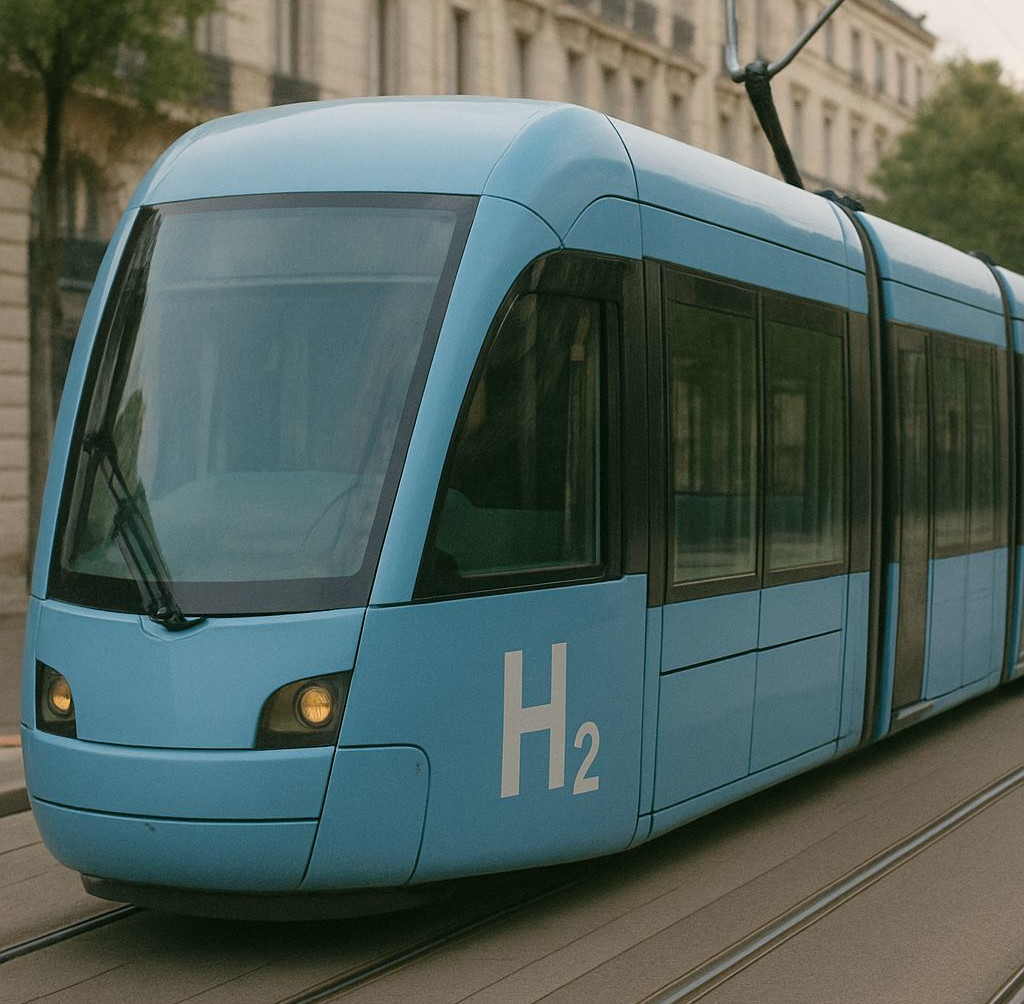
The newly drafted KGS Codes — KGS AH375 (Tram Fuel Cell Manufacturing Standards), KGS AH376 (Aviation Fuel Cell Manufacturing Standards), and KGS AH377 (Marine Fuel Cell Manufacturing Standards) — establish facility, technical, and inspection requirements for hydrogen-powered polymer electrolyte membrane fuel cells (PEMFCs) with a rated output voltage of up to DC 1000V.
These new standards are intended to ensure product reliability and operational safety for fuel cells installed in public transportation, aircraft, and maritime systems.
In addition to the three new standards, revisions have been proposed for KGS AH271 for Electrolyzers and KGS AH372, AH373 & AH374, which govern requirements for fuel cells used in forklifts, drones, and construction machinery.
A key update involves expanding structural safety measures. Previously, safety requirements specified that “an insulating case must cover the cell or stack.” The revised text broadens this to “installing an insulating cover or enclosure, or taking equivalent protective measures,” to better prevent damage from falling conductive materials and external impact.
The introduction of these seven KGS Codes marks another step in Korea’s commitment to enhancing hydrogen safety management while fostering industrial innovation in emerging mobility technologies. Once finalized, the standards are expected to play a central role in ensuring the safe and sustainable deployment of hydrogen-powered transportation systems.
Feel free to contact us any time if you need assistance or have any questions regarding Korean certifications like KC, KC EMC, KCs, KCs for explosion safety products or KGS factory registration.
Tel. Europe: +49-69-271 37 69 259
Tel. US: +1 773 654-2673
Email: info@korea-certification.com
For more information you can download our free brochure “Korea Certification Made Easy – The Booklet“.
Revised Korean Standards Enhance Oversight of Hydrogen and Fuel Cell Systems
South Korea has implemented extensive updates to multiple KGS (Korea Gas Safety) standards governing hydrogen production, gas storage, and fuel cell technologies. Notable changes include a narrower scope for code AC111, which previously covered all pressure vessels but now excludes small LPG storage tanks—these are addressed separately under the newly applied AC114. Clearer requirements for strength recalculations due to design modifications have also been introduced. Meanwhile, the revised AH171 code now includes safety and performance requirements for hydrogen generators that operate via ammonia thermal decomposition, reflecting Korea’s regulatory response to recent pilot projects in this area. Hydrogen and gas technologies usually require KGS certification in order to be approved for import and sale in Korea.
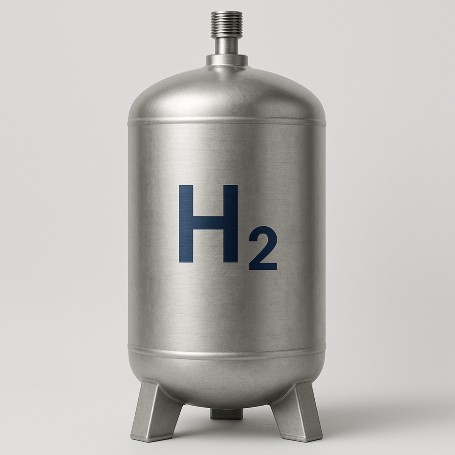
Further modifications were made to code AH271 for water electrolysis systems, aligning it more closely with ISO 22734 by distinguishing acidic from alkaline electrolyzers. New mandates include emergency shutdown functions for abnormal electrolyte levels and the use of dual-unit output labeling on nameplates. Large-scale installations may also include output capacity in megawatts. Fuel cell regulations have also evolved: while stationary systems under AH371 remain unchanged, new performance testing protocols have been added to AH372 and AH373 for forklift and drone fuel cells, respectively. These tests evaluate real-world functionality, including wind resistance and tilt behavior.
Feel free to contact us any time if you need assistance or have any questions regarding Korean certifications like KC, KC EMC, KCs, KCs for explosion safety products or KGS factory registration.
Tel. Europe: +49-69-271 37 69 259
Tel. US: +1 773 654-2673
Email: info@korea-certification.com
For more information you can download our free brochure “Korea Certification Made Easy – The Booklet“.
Korea Introduces Acoustic Emission Testing for Reinspection of Hydrogen Vessel Tanks
The Gas Technical Standards Committee (GTSC) is currently collecting public comments until the 30th on a proposed revision of KGS AC116, the national inspection standard for high-pressure gas storage tanks and pressure vessels. The draft revision introduces non-destructive testing (NDT) methods—specifically acoustic emission testing—for the reinspection of Type-1 pressure vessels used in hydrogen refueling stations. The amendment also clarifies that compressed gas equipment refers to pressure vessels used in hydrogen charging facilities to store gas compressed by processing systems. Pressure vessels used in hydrogen refueling stations usually require KGS factory registration in order to be approved for import and sale in Korea.
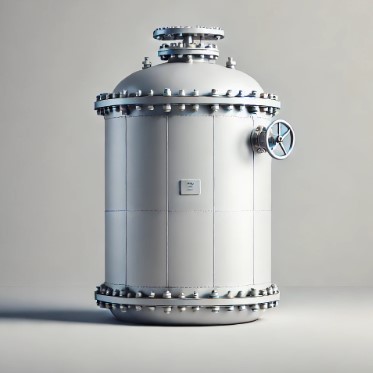
The updated requirements include new inspection items based on KS B 6755 (In-service Inspection of Pressure Vessels), and add NDT as a reinspection criterion exclusively for Type-1 compressed gas equipment. Under the new provisions, acoustic emission testing must be performed three times to determine vessel integrity. If any signals indicating potential defects are detected, further NDT must be conducted to assess the depth of the flaw. To support implementation, a 24-month grace period has been proposed, allowing time for workforce training and development of detailed inspection guidelines. Individuals or organizations wishing to comment on the draft must submit their feedback to the GTSC by the 30th.
Feel free to contact us any time if you need assistance or have any questions regarding Korean certifications like KC, KC EMC, KCs, KCs for explosion safety products or KGS factory registration.
Tel. Europe: +49-69-271 37 69 259
Tel. US: +1 773 654-2673
Email: info@korea-certification.com
For more information you can download our free brochure “Korea Certification Made Easy – The Booklet“.
 We are part of the CERTANIA-Group.