

Schließen

Korea Launches Major Initiative to Localize and Scale Up Clean Hydrogen Technologies
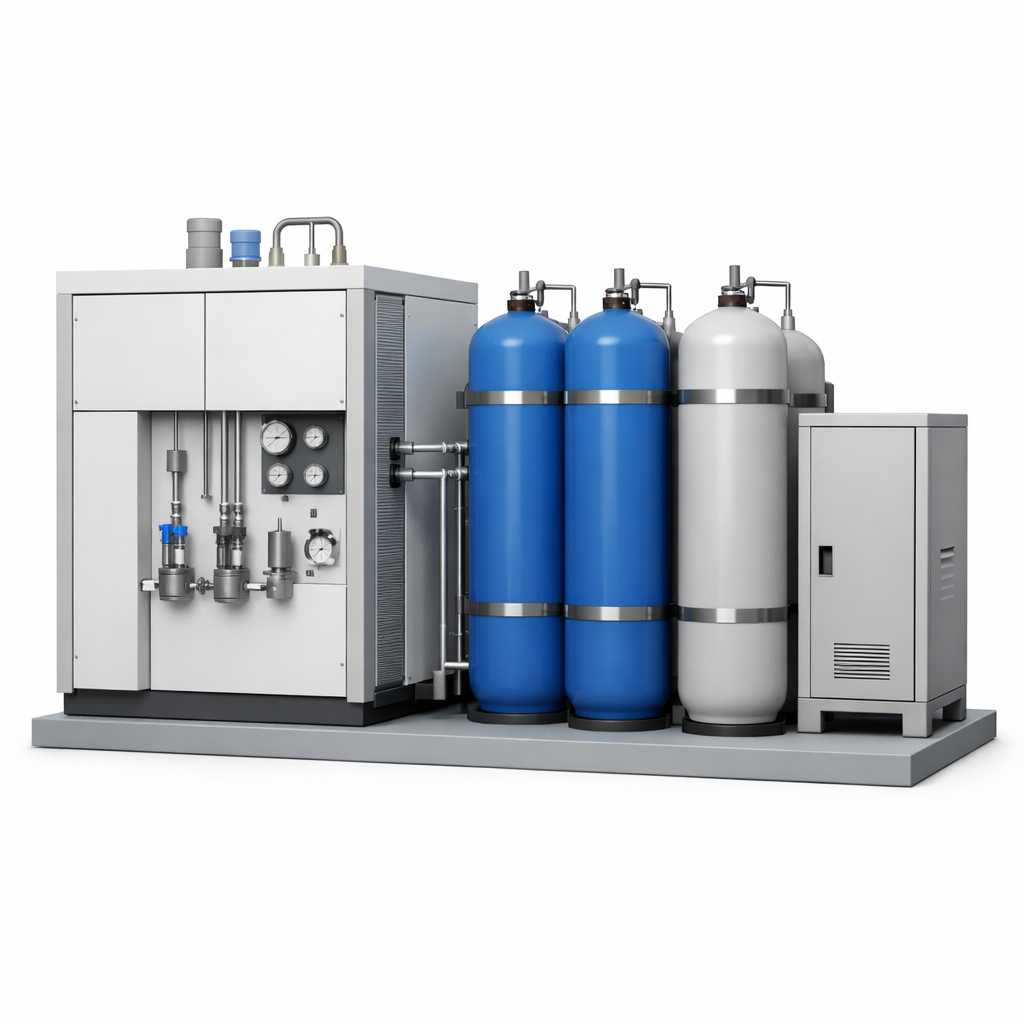
The South Korean government has officially initiated efforts to accelerate the localization and commercialization of clean hydrogen production technologies. On January 23, the Ministry of Science and ICT (MSIT), led by Vice Prime Minister and Minister Bang Moon Kyu, held the first General Committee meeting of the “Clean Hydrogen R&D Innovation Alliance.” This marked the first in-person gathering of stakeholders from industry, academia, research institutions, and government since the alliance’s launch on September 9. The Innovation Alliance comprises 93 entities—including 67 companies, 10 research institutes, and 16 universities—and aims to achieve full localization (100%) of clean hydrogen production technologies by 2030. The collaborative framework is focused on five core technological areas: Alkaline (ALK) water electrolysis, Proton Exchange Membrane (PEM) electrolysis, Solid Oxide Electrolysis Cells (SOEC), Anion Exchange Membrane (AEM) electrolysis, and Liquid Organic Hydrogen Carriers (LOHC). These technologies will be refined and jointly demonstrated with end-user companies to drive commercialization. Hydrogen system related products and components usually require KGS Certification in order to be approved for import and sale in Korea.
During the committee meeting, which included over 20 participants such as MSIT officials, major end-user companies, lead researchers from national hydrogen R&D labs, and academic experts, the discussion centered on fostering full-cycle collaboration in clean hydrogen technology development. Attendees emphasized the need to transition lab-scale core technologies into real-world industrial applications by enhancing demand-driven R&D systems and expanding technology demonstration.
Industry representatives noted that South Korea still lags behind the U.S. and Europe in clean hydrogen capabilities and urged stronger government support for practical technology development and infrastructure for testing. Lead researchers from national labs responded by pledging to build trust through ongoing technology exchange and feedback between companies, universities, and research institutes. MSIT plans to invest KRW 119 billion (approximately USD 900 million) between now and 2029 to scale up domestic technologies for commercialization, focusing on the core components and materials required for water electrolysis. This includes performance verification systems to support technology demonstrations. Beginning next year, new R&D projects involving end-user participation from the early stages will be launched, and sector-specific technical subcommittees within the alliance will be created to strengthen inter-agency cooperation.
Feel free to contact us any time if you need assistance or have any questions regarding Korean certifications like KC, KC EMC, KCs, KCs for explosion safety products or KGS factory registration.
Tel. Europe: +49-69-271 37 69 259
Tel. US: +1 773 654-2673
Email: info@korea-certification.com
For more information you can download our free brochure “Korea Certification Made Easy – The Booklet“.
New Advancements in Battery Tech Could Transform Battery Manufacturing Equipment Standards
LG Energy Solution is advancing its development of dry electrode technology, aiming to revolutionize battery production with a more cost-effective and space-efficient process. Unlike the conventional wet electrode method—which requires solvent use, drying, and solvent recovery—the dry process involves only solid powder mixing, eliminating the need for drying and solvent recovery systems. This streamlined approach is expected to significantly cut facility investment and processing costs, while optimizing manufacturing space and enhancing overall productivity. Equipment and components used in battery production usually require KCs Certification in order to be approved for import and sale in Korea.
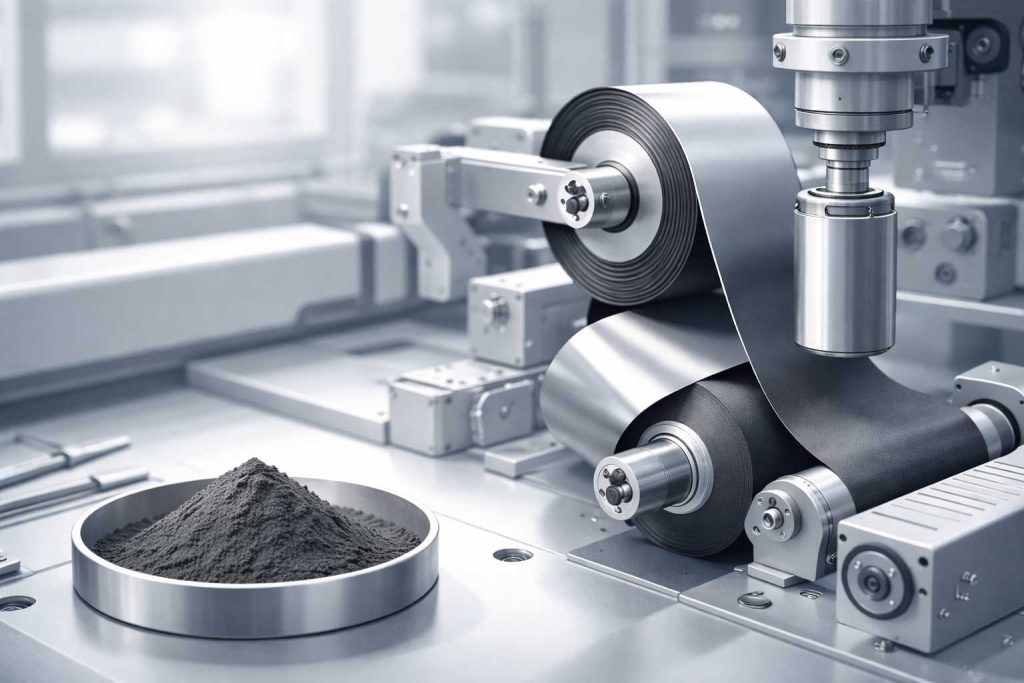
The company has started constructing pilot production lines at its Ochang Energy Plant in Korea, with plans to begin commercial-scale output by 2028. The dry electrode process is not only expected to improve battery manufacturing but also boost the cost competitiveness of electric vehicles, drawing considerable interest from automakers and battery producers across South Korea, China, and Japan. Building on over 30 years of battery innovation, LG Energy Solution is also expanding its technology portfolio, including premium High-Ni NCMA batteries, Mid-Ni NCM, and LFP products to serve a wider market. Additionally, the company is preparing for mass production of its 46-Series batteries and scaling up its LFP-based energy storage solutions.
Feel free to contact us any time if you need assistance or have any questions regarding Korean certifications like KC, KC EMC, KCs, KCs for explosion safety products or KGS factory registration.
Tel. Europe: +49-69-271 37 69 259
Tel. US: +1 773 654-2673
Email: info@korea-certification.com
For more information you can download our free brochure “Korea Certification Made Easy – The Booklet“.
Samsung SDI Advances ASSB Commercialization Through Trilateral Testing Collaboration
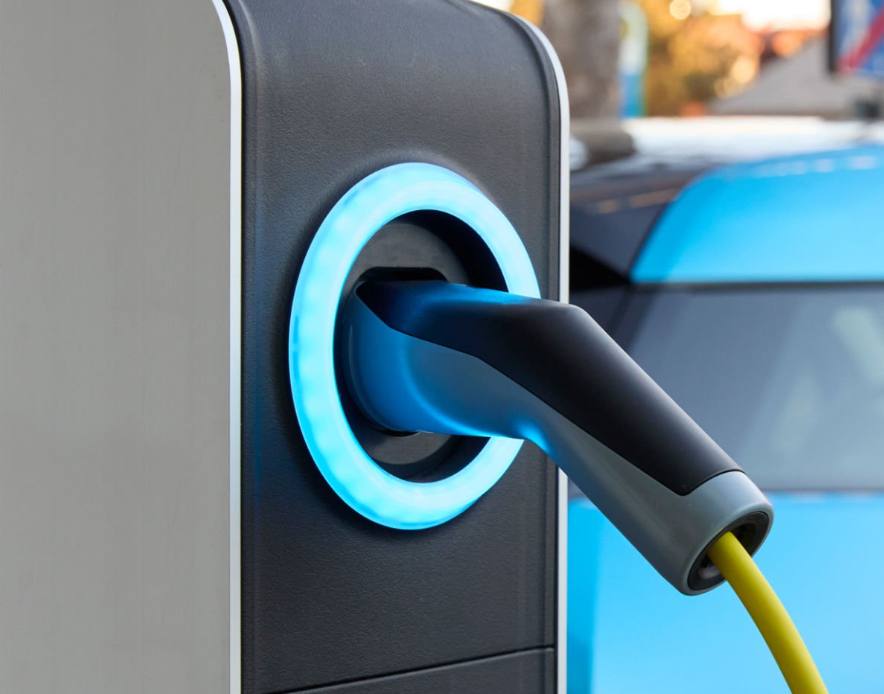
Samsung SDI has entered a trilateral agreement with Germany’s BMW Group and U.S.-based Solid Power to advance the validation of all-solid-state batteries (ASSBs). As part of the project, Samsung SDI will provide ASSB cells using Solid Power’s solid electrolyte technology, which enhances energy density and safety. BMW will be responsible for developing battery modules and packs, integrating the cells into its upcoming evaluation vehicles. The three companies will jointly conduct specific testing to assess battery performance under predefined conditions. Many products related to e-mobility usually require specific testing and requirement management in order to be approved for import and sale in Korea.
Compared to conventional lithium-ion batteries, ASSBs utilize solid electrolytes, offering higher energy density and improved safety, which support longer driving ranges without increasing system weight. The collaboration is seen as a strategic move to build a robust global value chain, bringing together Samsung SDI’s battery expertise, BMW’s automotive capabilities, and Solid Power’s material technologies. Samsung SDI, which launched Korea’s first pilot ASSB production line at its Suwon R&D Center in 2023, is currently testing prototypes with several clients. The company is also scaling up cell sizes and refining manufacturing and supply chain processes in preparation for mass production. With demand for ASSBs expanding into fields such as robotics, Samsung SDI is engaging with new potential partners to drive further commercialization.
Also read our related article “South Korea introduces Government-Led EV Battery Certification and Tracking“
Feel free to contact us any time if you need assistance or have any questions regarding Korean certifications like KC, E-Mobility Requirement Management, KC EMC, KCs, KCs for explosion safety products or KGS factory registration.
Tel. Europe: +49-69-271 37 69 259
Tel. US: +1 773 654-2673
Email: info@korea-certification.com
For more information you can download our free brochure “Korea Certification Made Easy – The Booklet“.
LG Energy Solution Expands LFP Battery Production for ESS with KC Certification
LG Energy Solution has announced plans to domestically manufacture lithium iron phosphate (LFP) batteries for energy storage systems (ESS) in South Korea. On November 17, the company held an official event at its Ochang Energy Plant in North Chungcheong Province to mark the initiative. Construction of the new LFP production lines is scheduled to begin at the end of this year, with full-scale operations targeted for 2027. Initial production will start at a scale of 1 GWh, with potential capacity expansion depending on future market demand. ESS batteries and related systems usually require KC Safety certification in order to be approved for import and sale in Korea.
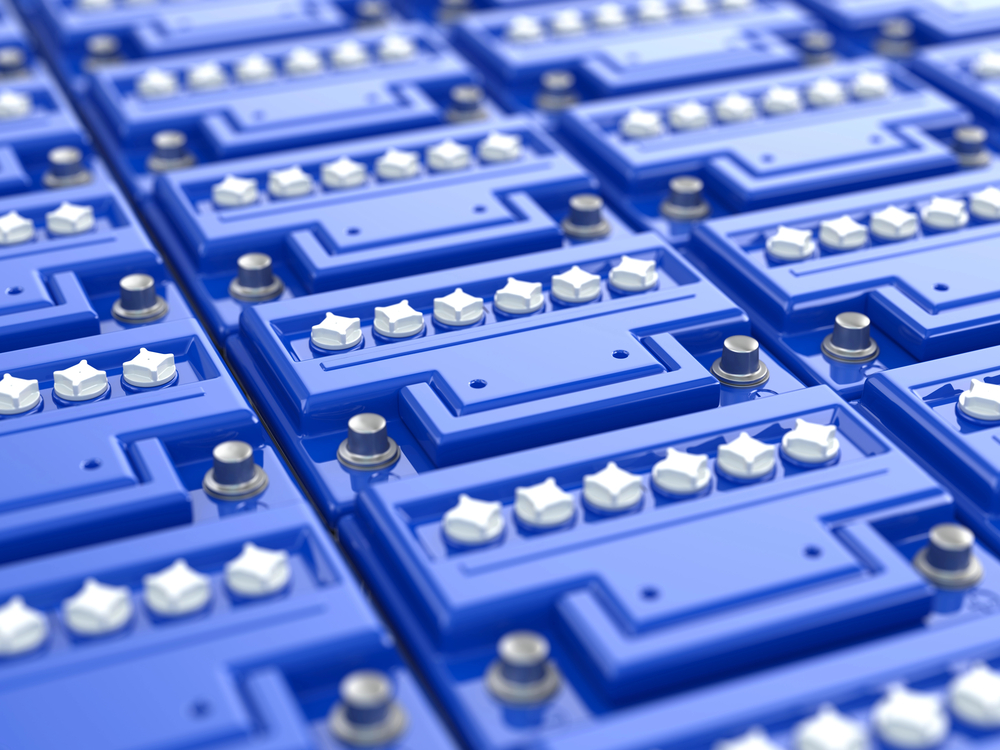
LG Energy Solution is currently the only non-Chinese company with a mass production system for ESS-specific LFP batteries. The company intends to transfer its production expertise from its facilities in Nanjing, China, and Michigan, USA, directly to the Ochang Energy Plant to help develop Korea’s domestic ESS ecosystem. In parallel, it aims to localize the sourcing of LFP battery materials—currently reliant on global supply chains—by collaborating with North Chungcheong Province and domestic suppliers. LFP technology is considered optimal for ESS applications due to its strong cost competitiveness and low fire risk. LG’s LFP products meet UL’s UL9540A fire safety standards and have passed Korea’s NFPC607 tests, demonstrating robust performance under thermal runaway conditions. These safety levels are attributed to LG’s proprietary battery management system (BMS) and integrated design across cell, module, and pack levels.
Feel free to contact us any time if you need assistance or have any questions regarding Korean certifications like KC, KC EMC, KCs, KCs for explosion safety products or KGS factory registration.
Tel. Europe: +49-69-271 37 69 259
Tel. US: +1 773 654-2673
Email: info@korea-certification.com
For more information you can download our free brochure “Korea Certification Made Easy – The Booklet“.
Korean Authorities close at the Turn of the Year – 2025/26
At the end of 2025 and the beginning of 2026, the Korean authorities and certification bodies will be closed.
On December 25, 2025, the authorities will be closed for Christmas. Also on January 1, 2026 for the New Year’s Day. The offices will resume their work on January 2, 2026. This closure period over the turn of the year can lead to delays in certification processes.

Although New Year’s Eve is celebrated rather quietly in Korea compared to the Spring Festival, it is still a noticed time. The Spring Festival holiday, the date of which is determined according to the Chinese lunar calendar, will take place next year from 17 February to expectedly 22 February 2026. We will inform you in good time about the exact closing days of the authorities during the Spring Festival.
MPR International GmbH will continue to support you in your certification processes in the new year. We wish you a successful New Year 2026!
 We are part of the CERTANIA-Group.