

Schließen

SK hynix Prepares M15X Facility for HBM4 Production Amid Global Demand Surge
SK hynix has begun installing industrial machinery at its new M15X fabrication plant in Cheongju, North Chungcheong Province, marking a significant step toward ramping up high bandwidth memory (HBM) production in Korea. The M15X, an expansion of the existing M15 facility, is expected to become the company’s primary production center for HBM products. Construction is set to be completed within the year, with operations scheduled to begin in 2026. As part of the preparation, SK hynix has also transferred some of its staff from its Icheon headquarters to the Cheongju site. Industrial machinery usually requires KCs certification in order to be approved for import and sale in Korea.
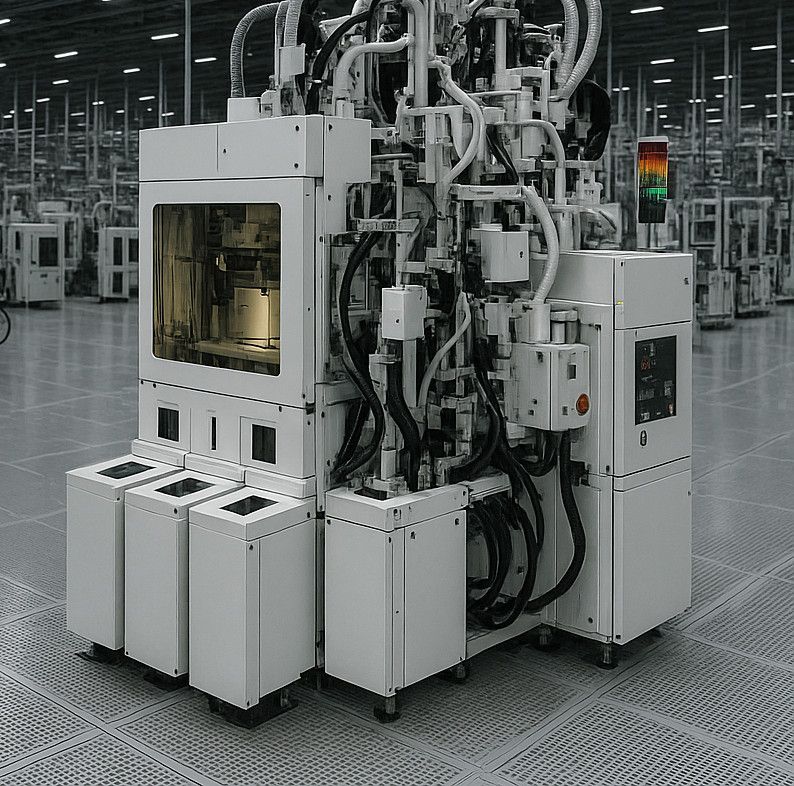
This new facility is anticipated to strengthen SK hynix’s position in the competitive HBM market, especially as global demand continues to rise. The company has finalized mass production readiness for its latest HBM4 products and is in the final negotiation stages with Nvidia regarding supply agreements.
Feel free to contact us any time if you need assistance or have any questions regarding Korean certifications like KC, KC EMC, KCs, KCs for explosion safety products or KGS factory registration.
Tel. Europe: +49-69-271 37 69 259
Tel. US: +1 773 654-2673
Email: info@korea-certification.com
For more information you can download our free brochure “Korea Certification Made Easy – The Booklet“.
Strengthening of AI Infrastructure with Regional Data Center Expansion and Global Alliances in Korea
SK Group has announced plans to construct artificial intelligence (AI) data centers in both the Yeongnam and Honam regions of Korea, reinforcing its long-term AI-driven growth strategy. This initiative is part of an 82 trillion-won investment plan laid out by Chairman Chey Tae-won, aimed at expanding the group’s presence in future industries, particularly AI. The company has already started developing a hyperscale AI data center in Ulsan with Amazon Web Services and is now collaborating with OpenAI for a facility in the Honam region. These centers will help form an “AI belt” that connects Korea’s southeastern and southwestern regions, providing essential infrastructure for nationwide AI transformation. Many electronic devices used with AI technology usually require KC EMC certification in order to be approved for import and sale in Korea.
SK is reinforcing its AI industry capabilities through collaboration with major tech firms and by leveraging its internal expertise in semiconductors, energy, and data center operations. SK hynix is advancing high bandwidth memory (HBM) for AI chips, while SK Innovation is developing energy solutions, including LNG, ESS, and SMR technologies. Group affiliates such as SK Telecom, SK Broadband, and SK AX are also contributing with their experience in data center operations. Meanwhile, SK Ecoplant is adapting its semiconductor factory construction know-how to AI infrastructure projects. The group’s global partnerships — including alliances with NVIDIA, TSMC, Amazon, Microsoft, and OpenAI — are accelerating its AI ecosystem, supported by Chey’s active engagement with international tech leaders. Upcoming global summits will further facilitate SK’s AI expansion efforts.
Feel free to contact us any time if you need assistance or have any questions regarding Korean certifications like KC, KC EMC, KCs, KCs for explosion safety products or KGS factory registration.
Tel. Europe: +49-69-271 37 69 259
Tel. US: +1 773 654-2673
Email: info@korea-certification.com
For more information you can download our free brochure “Korea Certification Made Easy – The Booklet“.
KGS Opens Liquid Hydrogen Testing Center – Giving New Momentum to Safety and Innovation in Hydrogen Technologies
South Korea is entering a new phase of hydrogen safety management with the opening of the Liquefied Hydrogen Test Support Center, operated by the Korea Gas Safety Corporation (KGS). From December onward, statutory inspections and performance testing for liquefied hydrogen storage tanks and other cryogenic systems will be carried out domestically for the first time — marking a major step toward safer and more efficient hydrogen infrastructure.
The center will utilize its newly established facilities to perform inspections on seven categories of containers and specific equipment regulated under the High Pressure Gas Safety Management Act. These include liquefied hydrogen storage tanks, tank lorries, cryogenic containers, container accessories, safety valves and emergency shut-off devices, which all require KGS approval. This capability will allow KGS to ensure compliance and reliability across the full range of equipment used in the hydrogen supply chain.
The new facility covers 8,099 m² of land with a total floor space of 1,981 m². Built with an investment of 33.2 billion KRW, the center houses 27 types of advanced inspection and certification equipment across 23 categories, including high-precision vacuum insulation testing systems.
The storage tank testing facility is being outfitted with state-of-the-art systems to measure cryogenic insulation performance (Normal Evaporation Rate) and airtightness of storage tanks, tank lorries, and cryogenic vessels. Designed to accommodate testing of 4-ton storage tanks, the facility will be supported by 50-ton and 20-ton gantry cranes to handle and evaluate various tank configurations under real operating conditions.
Meanwhile, the product testing center will enable comprehensive performance evaluations — including blow-out and sealing tests for safety valves and blocking and sealing performance checks for emergency shut-off devices. In addition, the facility will support functional and thermal performance testing of liquefied hydrogen pumps, vaporizers, and vacuum-insulated pipelines, expanding beyond the scope of mandatory inspections to cover broader product R&D applications.
By maintaining an 8-ton supply of liquefied hydrogen and incorporating a re-liquefaction system to recover 200–250 kg of boil-off gas daily, the center ensures both safety and environmental sustainability during testing operations.
Feel free to contact us any time if you need assistance or have any questions regarding Korean certifications like KC, KC EMC, KCs, KCs for explosion safety products or KGS factory registration.
Tel. Europe: +49-69-271 37 69 259
Tel. US: +1 773 654-2673
Email: info@korea-certification.com
For more information you can download our free brochure “Korea Certification Made Easy – The Booklet“.
Korea Introduces New Standards for Different Fuel Cell Types
The Gas Technology Standards Committee has announced the introduction and revision of seven KGS Codes, including new standards specifically for hydrogen and mobility fuel cell manufacturing. These aim to strengthen safety oversight and support the expansion of hydrogen-based mobility applications such as trams, drones, ships, and industrial equipment. This follows Korea’s ongoing effort to align technical safety regulations with the country’s fast-evolving hydrogen economy. Fuel cells and electrolyzers usually require a KGS approval in order to be allowed to be imported and installed in Korea.
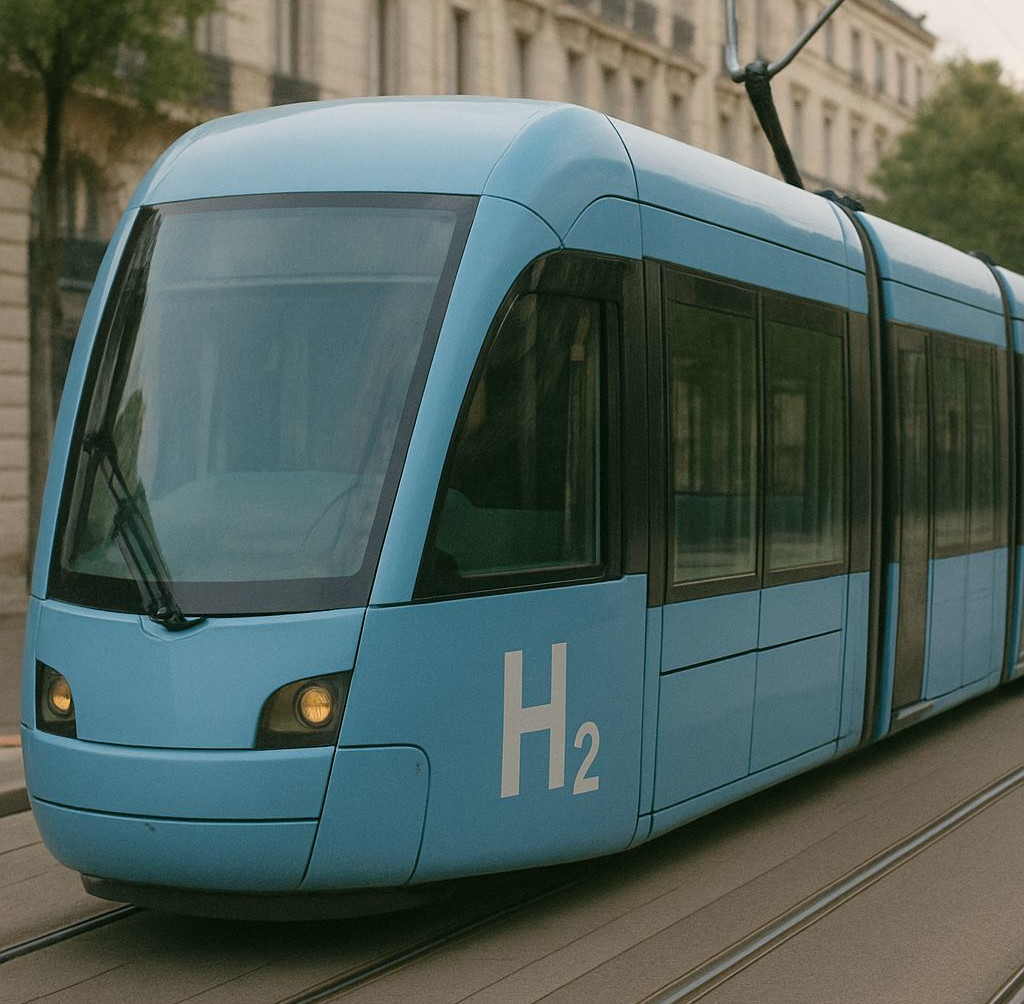
The newly drafted KGS Codes — KGS AH375 (Tram Fuel Cell Manufacturing Standards), KGS AH376 (Aviation Fuel Cell Manufacturing Standards), and KGS AH377 (Marine Fuel Cell Manufacturing Standards) — establish facility, technical, and inspection requirements for hydrogen-powered polymer electrolyte membrane fuel cells (PEMFCs) with a rated output voltage of up to DC 1000V.
These new standards are intended to ensure product reliability and operational safety for fuel cells installed in public transportation, aircraft, and maritime systems.
In addition to the three new standards, revisions have been proposed for KGS AH271 for Electrolyzers and KGS AH372, AH373 & AH374, which govern requirements for fuel cells used in forklifts, drones, and construction machinery.
A key update involves expanding structural safety measures. Previously, safety requirements specified that “an insulating case must cover the cell or stack.” The revised text broadens this to “installing an insulating cover or enclosure, or taking equivalent protective measures,” to better prevent damage from falling conductive materials and external impact.
The introduction of these seven KGS Codes marks another step in Korea’s commitment to enhancing hydrogen safety management while fostering industrial innovation in emerging mobility technologies. Once finalized, the standards are expected to play a central role in ensuring the safe and sustainable deployment of hydrogen-powered transportation systems.
Feel free to contact us any time if you need assistance or have any questions regarding Korean certifications like KC, KC EMC, KCs, KCs for explosion safety products or KGS factory registration.
Tel. Europe: +49-69-271 37 69 259
Tel. US: +1 773 654-2673
Email: info@korea-certification.com
For more information you can download our free brochure “Korea Certification Made Easy – The Booklet“.
 We are part of the CERTANIA-Group.