


Korea Strengthens KC Safety Focus in ESS Tender Evaluation
26. March 2026Korea’s KC Safety certification framework has gained renewed attention following the results of the country’s second government tender for energy storage systems (ESS). The latest procurement round highlights how KC Safety considerations, particularly fire prevention and system reliability, are increasingly shaping market access and supplier competitiveness in Korea’s expanding ESS sector.
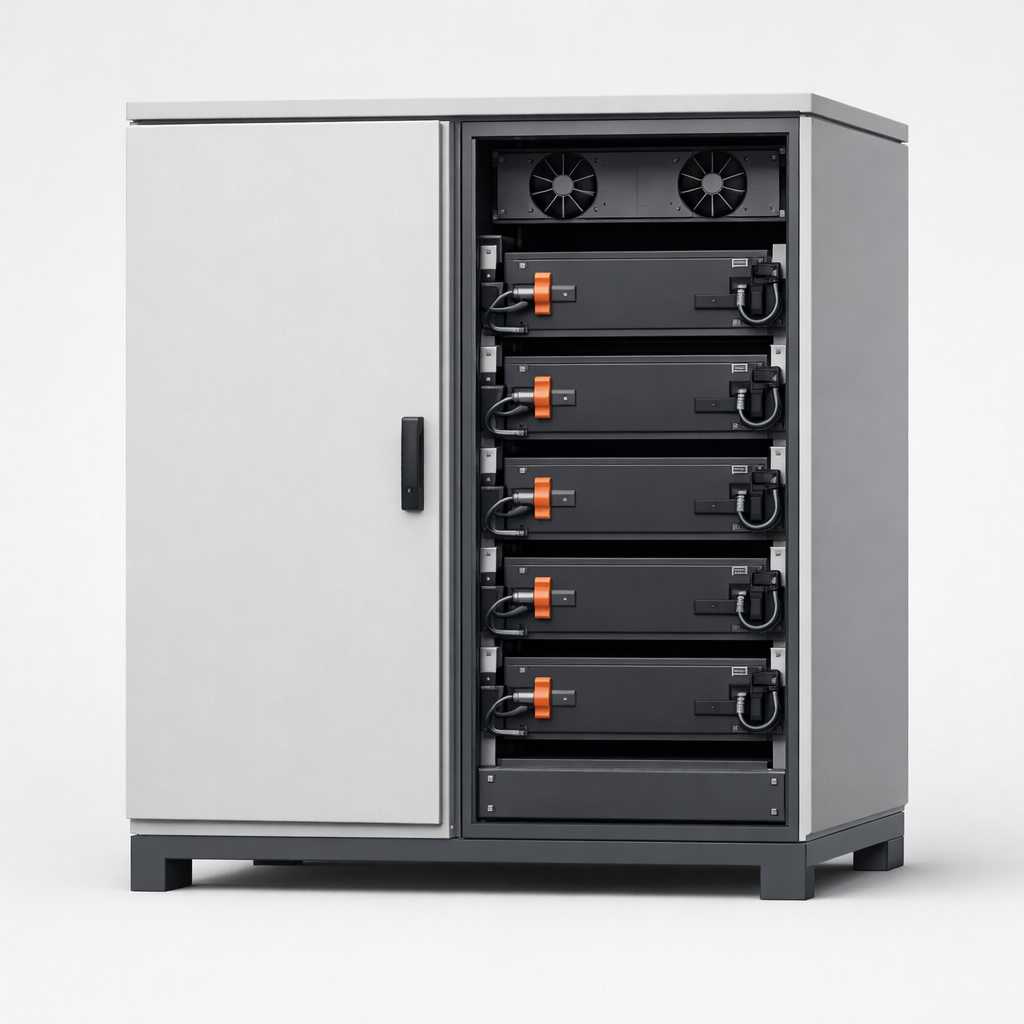
The tender, administered by the Ministry of Climate, Energy and Environment and the Korea Power Exchange, awarded a total of 565 MW across seven project sites. Notably, evaluation criteria were adjusted compared to the first round, with non-price factors—such as safety performance and industrial contribution—receiving equal weighting alongside bid price. This shift reflects a broader regulatory emphasis on safety assurance in ESS deployments, especially following prior industry concerns regarding battery-related fire risks. Energy storage systems usually require KC Safety certification in order to be approved for import and sale in Korea.
Increased Emphasis on KC Safety and Fire Prevention
The revised evaluation framework underscores the importance of compliance with Korea’s KC Safety certification, particularly in relation to fire protection standards for lithium-ion battery systems. Authorities explicitly prioritized technologies capable of mitigating thermal runaway risks and enhancing early fault detection.
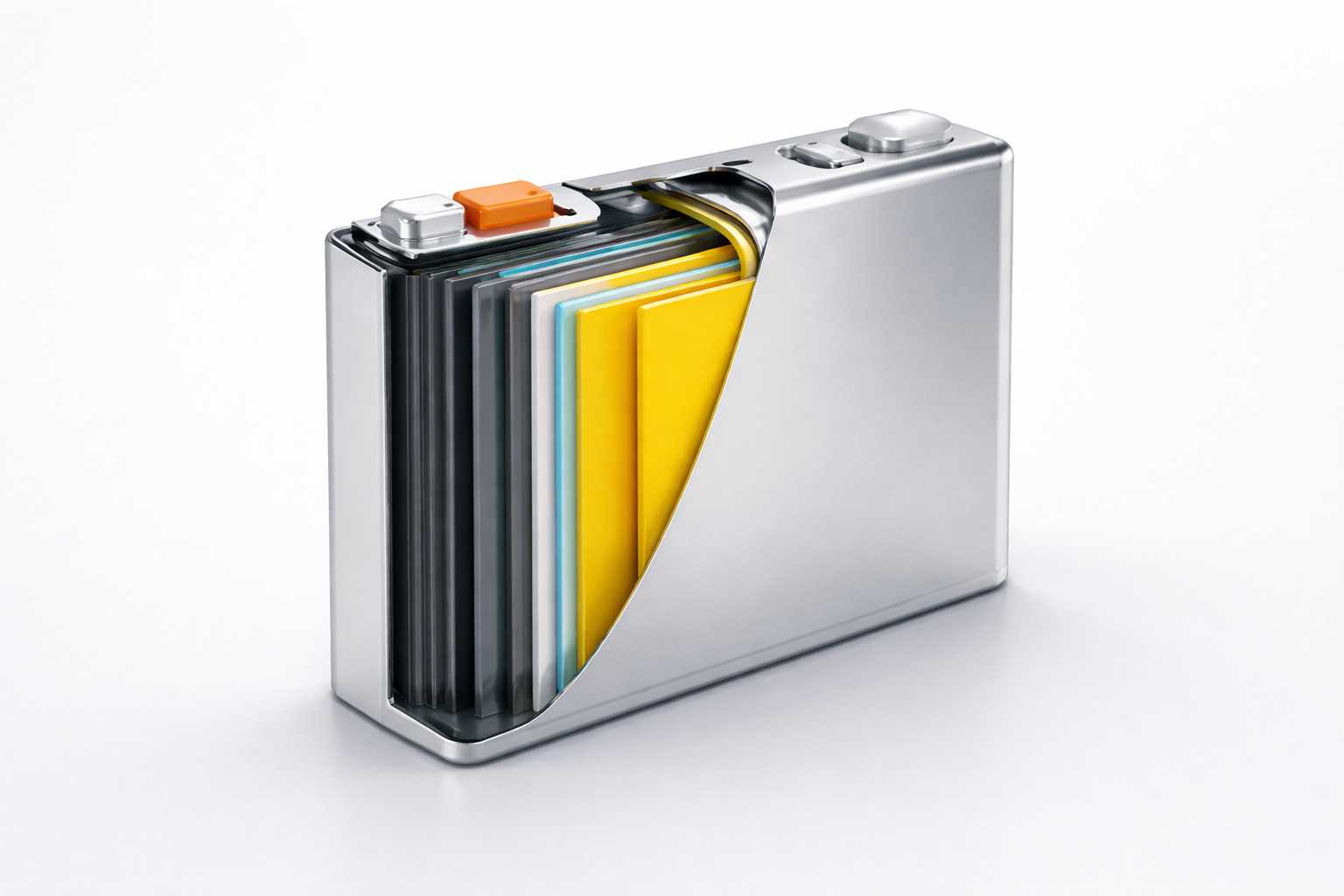
Manufacturers responded by integrating advanced safety features into their ESS solutions. For example, diagnostic systems based on electrochemical impedance spectroscopy are being deployed to identify potential failure conditions before they escalate into safety incidents. In parallel, lithium iron phosphate (LFP) batteries are gaining traction due to their comparatively stable chemistry and lower fire risk profile, aligning with KC Safety expectations.
Additionally, the increased weighting of domestic industrial contribution signals a regulatory preference for localized supply chains. Companies are expected to demonstrate sourcing of key battery materials—such as cathodes, electrolytes, and separators—from domestic suppliers, which may also support compliance verification and traceability under KC Safety requirements.
Market Implications for ESS Manufacturers
The evolving tender criteria indicate that compliance with KC Safety certification is no longer a baseline requirement but a competitive differentiator in Korea’s ESS market. Battery manufacturers and system integrators seeking to participate in public procurement must align product design, testing, and documentation with stricter safety benchmarks.
At the same time, the ESS sector is becoming a strategic alternative for battery producers amid slowing electric vehicle demand. Since ESS systems share similar production infrastructure with EV batteries, manufacturers can pivot capacity while maintaining compliance with applicable certification schemes such as KC Safety.
Looking ahead, continued growth in global ESS demand—driven in part by data center expansion—suggests that Korea will remain a key market. Companies that can demonstrate robust KC Safety compliance, enhanced fire safety technologies, and alignment with domestic industrial policies will be better positioned to secure future contracts. Further regulatory details may be available through official certification bodies and related compliance resources.
Feel free to contact us any time if you need assistance or have any questions regarding Korean certifications like KC, KC EMC, KCs, KCs for explosion safety products or KGS factory registration.
Tel. Europe: +49-69-271 37 69 259
Tel. US: +1 773 654-2673
Email: info@korea-certification.com
For more information you can download our free brochure “Korea Certification Made Easy – The Booklet“.