

Korea KC Safety Certification Implications for Heavy Machinery Amid Domestic Minerals Project Expansion
2. April 2026Korea’s KC Safety certification framework for heavy machinery and components is drawing increased attention as Korea Zinc advances a major domestic strategic minerals initiative. The company’s planned investment of 11 trillion won in a new smelter project highlights broader regulatory considerations for manufacturers operating within Korea, particularly those supplying equipment to large-scale industrial developments.
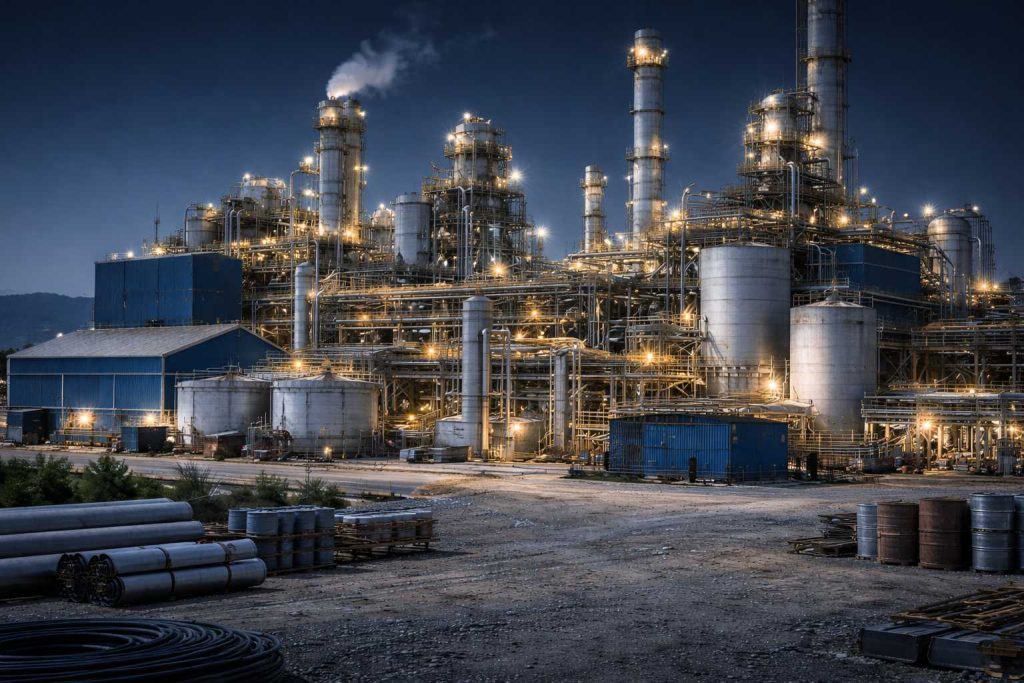
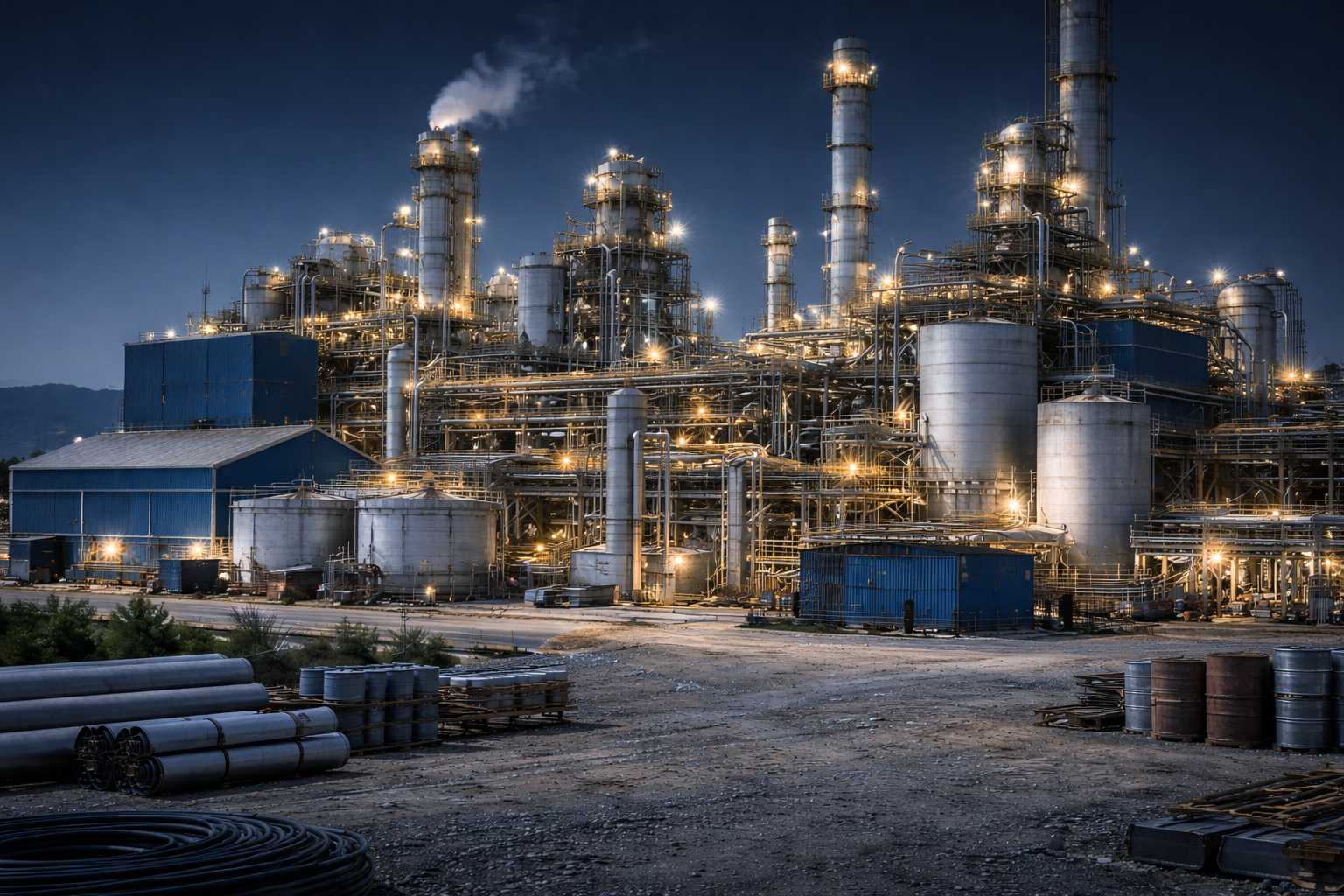
Korea Zinc has launched its “Crucible Zinc” project in the Ulsan industrial hub, where it intends to build a large smelting facility by 2029. The plant is expected to produce a diverse range of non-ferrous metals, including critical minerals used in advanced manufacturing, as well as semiconductor-grade materials. Given the project’s scale and technical complexity, compliance requirements for heavy machinery and industrial components are becoming more demanding. In Korea, such equipment generally requires KC Safety certification before it can be deployed or distributed.
KC Safety Certification Framework for Industrial Equipment
KC Safety certification is a mandatory conformity assessment system in Korea that applies to a wide spectrum of industrial and electrical products, including heavy machinery and related components. Its purpose is to ensure that products meet national standards for safety, electromagnetic compatibility, and performance prior to market entry or operational use.
For suppliers involved in large industrial projects—such as smelting, mining, or recycling operations—KC certification may be required for equipment including lifting systems, processing machinery, and electrical control units. The certification process typically involves product testing, factory inspections, and documentation review conducted by authorized Korean institutions. As industrial systems become more advanced, certification requirements may also extend to integrated technologies and complex processing systems.
Market Access and Compliance Considerations
The expansion of advanced smelting infrastructure within South Korea reflects a broader push to secure critical mineral supply chains and enhance industrial resilience. For companies supplying machinery and components domestically, this reinforces the need to address KC Safety requirements early in product design and project planning.
Manufacturers must ensure compliance with Korean standards, especially when providing equipment for high-risk environments such as metal processing or chemical handling. Without proper certification, companies may face project delays, regulatory penalties, or additional costs.
Additionally, the growing focus on recycling and recovery of rare metals—such as Germanium, Gallium, and Indium—introduces further technical considerations that can affect certification scope. Equipment used in these processes must meet strict safety and reliability expectations under Korean regulations.
As domestic industrial projects continue to scale and supply chains become more interconnected, regulatory compliance remains a key factor in ensuring smooth market access and operational readiness.
Feel free to contact us any time if you need assistance or have any
questions regarding Korean certifications like KC, KC EMC, KCs, KCs for explosion safety products or KGS factory registration.
Tel. Europe: +49-69-271
37 69 259
Tel. US: +1 773 654-2673
Email: info@korea-certification.com
For
more information you can download our free brochure “Korea
Certification Made Easy – The Booklet