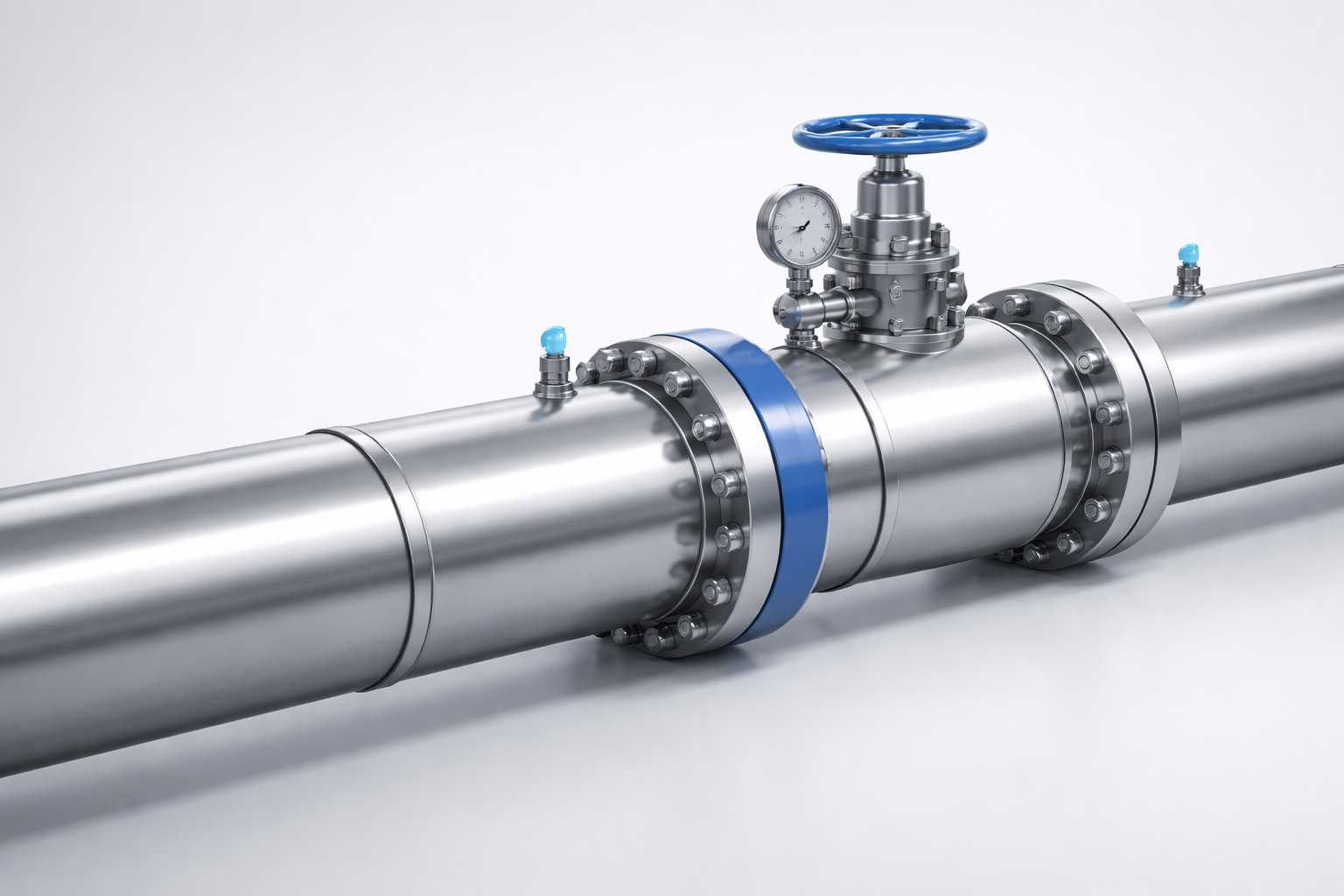




Incheon Airport Hydrogen Infrastructure Supports KGS Compliance
19. March 2026South Korea is advancing its hydrogen mobility ecosystem with new infrastructure aligned with KGS certification requirements, as demonstrated by the completion of a liquefied hydrogen charging station at Incheon International Airport. The project reflects the country’s broader regulatory and safety framework governing hydrogen storage, transport, and refueling systems under the Korea Gas Safety (KGS) certification scheme.
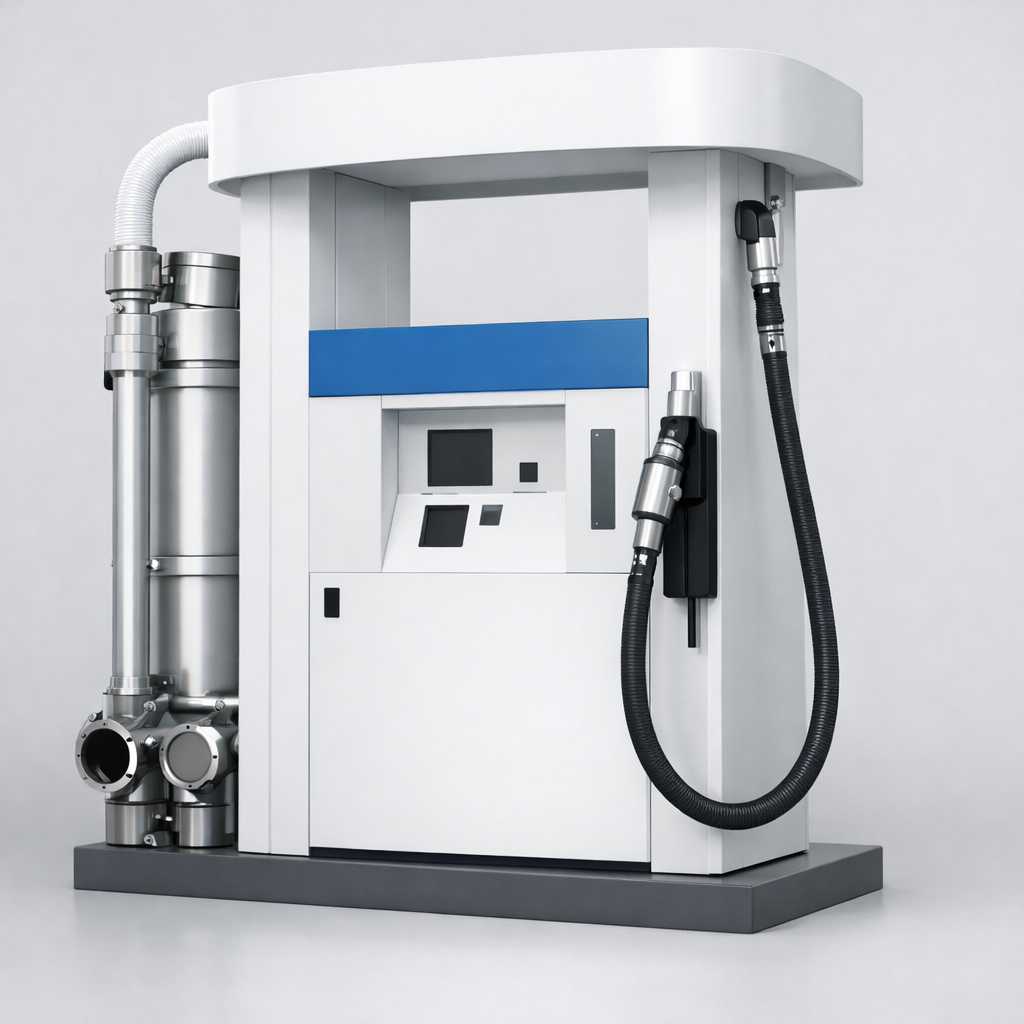
The newly completed station, developed by SK Innovation E&S, is located within the Terminal 2 parking area and is designed to supply up to 320 kilograms of liquefied hydrogen per hour. This capacity enables the daily refueling of up to 240 hydrogen-powered buses, supporting high-frequency airport operations. The facility is supplied by a nearby liquefied hydrogen production plant in Incheon, which produces approximately 90 tons per day. Hydrogen refueling infrastructure usually requires KGS certification in order to be approved for import and sale in Korea.
KGS Certification and Hydrogen Infrastructure Requirements
KGS certification plays a critical role in ensuring the safety and compliance of hydrogen-related installations in South Korea. The certification framework covers the design, construction, inspection, and operation of high-pressure gas systems, including liquefied hydrogen production plants and refueling stations. Facilities must comply with stringent technical standards addressing pressure control, cryogenic storage, leak prevention, and emergency response systems.
In the case of the Incheon airport station, compliance with KGS standards would have been essential throughout the project lifecycle, from engineering design to final commissioning. The integration of liquefied hydrogen systems introduces additional technical considerations compared to gaseous hydrogen, including ultra-low temperature handling and specialized insulation requirements.
The project also highlights the role of public-private cooperation in advancing compliant hydrogen infrastructure. Government funding and oversight, combined with private sector investment, support adherence to national safety codes while accelerating deployment timelines.
Implications for Market Access and Hydrogen Mobility Expansion
The deployment of hydrogen refueling infrastructure at a major international airport signals increasing maturity in Korea’s hydrogen mobility strategy. For manufacturers and operators, compliance with KGS certification remains a prerequisite for market entry, particularly for equipment such as storage tanks, dispensers, and transport systems.
The introduction of hydrogen-powered buses at Incheon Airport—already replacing a significant portion of the existing fleet—demonstrates the operational viability of such systems under regulatory oversight. Hydrogen buses offer advantages in refueling time and driving range, making them suitable for high-demand transport environments.
From a regulatory perspective, the visibility of such projects reinforces Korea’s commitment to carbon neutrality while emphasizing the importance of certified infrastructure. Companies seeking to participate in Korea’s hydrogen economy must ensure that their technologies meet KGS requirements to facilitate approval and deployment.
Further regulatory updates and technical guidance may be available through official certification bodies and industry resources.
Feel free to contact us any time if you need assistance or have any questions regarding Korean certifications like KC, KC EMC, KCs, KCs for explosion safety products or KGS factory registration.
Tel. Europe: +49-69-271 37 69 259
Tel. US: +1 773 654-2673
Email: info@korea-certification.com
For more information you can download our free brochure “Korea Certification Made Easy – The Booklet“.